Leave Your Message
Japan's construction and manufacturing sectors are globally renowned for their strict adherence to precision, environmental responsibility, and structural safety. When searching for the best adhesive for silicone for Japan, commercial contractors, architects, and industrial engineers look beyond basic bonding properties. They require high-performance, specialized formulations that can withstand Japan's unique environmental challenges, including frequent seismic activities, intense typhoons, and seasonal temperature extremes.
In major metropolitan hubs like Tokyo, Osaka, and Yokohama, high-rise architectural marvels demand state-of-the-art structural glazing systems. These systems rely heavily on structural silicone sealants to secure heavy glass panels to metal frames. The Japanese industrial sector also sets extremely high standards for indoor air quality and chemical emissions, requiring compliance with certifications such as the F★★★★ (F-Four Star) rating system, which limits formaldehyde and volatile organic compound (VOC) emissions. Consequently, any silicone adhesive imported or utilized in Japanese construction must align with these rigorous eco-friendly standards.
Key Insight for Japanese Contractors: Seismic resilience is non-negotiable. Silicone sealants used in structural glazing and facade joints must exhibit high movement capability (often ±50% or more) and rapid elastic recovery to absorb the dynamic shear stresses caused by earthquakes.
Beyond commercial architecture, the Japanese automotive and electronics industries also demand high-purity silicone adhesives. From electric vehicle (EV) battery pack assembly to precision microelectronics packaging, silicone adhesives provide essential thermal stability, electrical insulation, and vibration damping. This diverse industrial landscape creates a massive demand for reliable, large-scale silicone manufacturers who can guarantee consistent batch quality, compliant VOC profiles, and robust supply chains.
The market for silicone sealants and adhesives in Japan is undergoing rapid transformation, driven by technological innovation, labor shortages, and national sustainability goals. Understanding these trends is crucial for selecting the appropriate adhesive solutions for localized projects:
Japan's commitment to achieving carbon neutrality by 2050 has accelerated the adoption of green building materials. Non-toxic, solvent-free, and low-VOC silicone sealants are now standard requirements for both residential renovations and commercial developments. Products must not only protect the structural integrity of the building but also safeguard the health of its occupants by maintaining clean indoor air quality.
To combat a shrinking construction labor force, Japan has become a pioneer in modular and prefabricated housing. In factory-controlled environments, speed and reliability of assembly are paramount. Fast-curing, high-tack silicone adhesives allow modular components to be handled and transported quickly without compromising joint integrity, optimizing production efficiency.
With changing global weather patterns, Japan is experiencing more intense summer heatwaves and severe typhoon seasons. Weatherproof silicone sealants must offer superior UV resistance and thermal stability to prevent degradation, cracking, or color fading under extreme sunlight, while remaining completely watertight against driving monsoon rains.
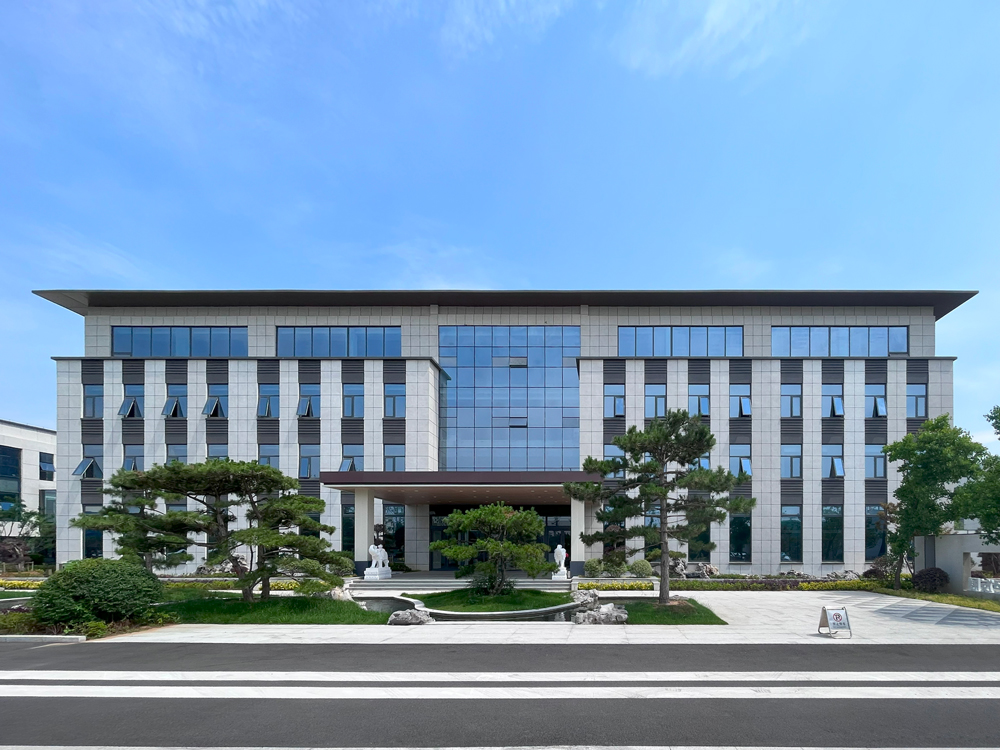
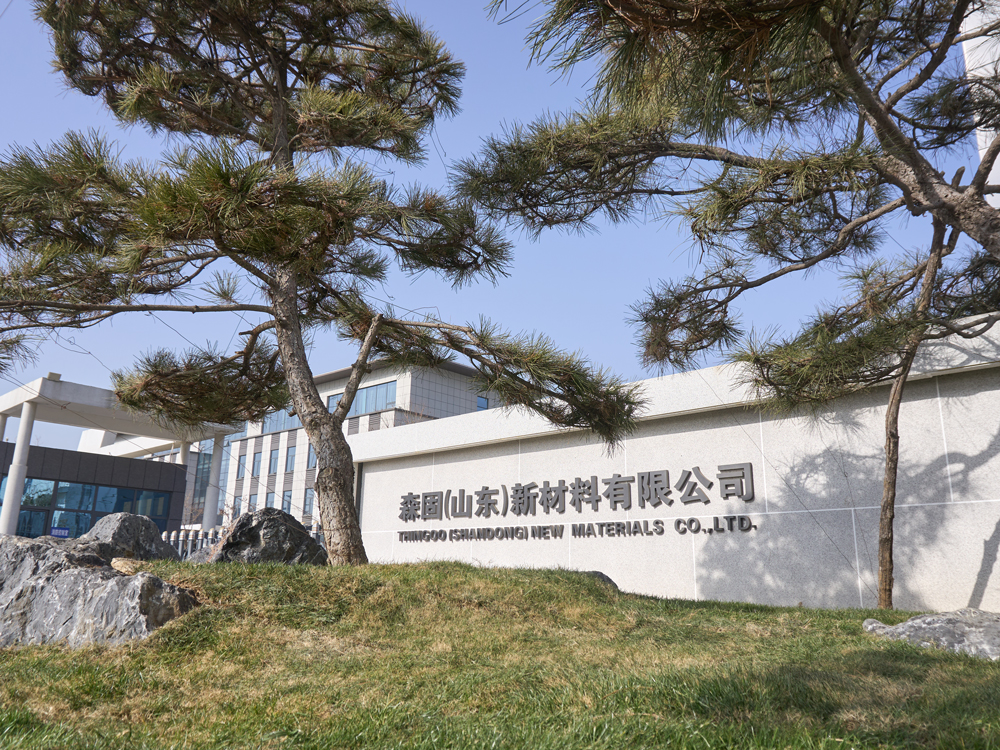
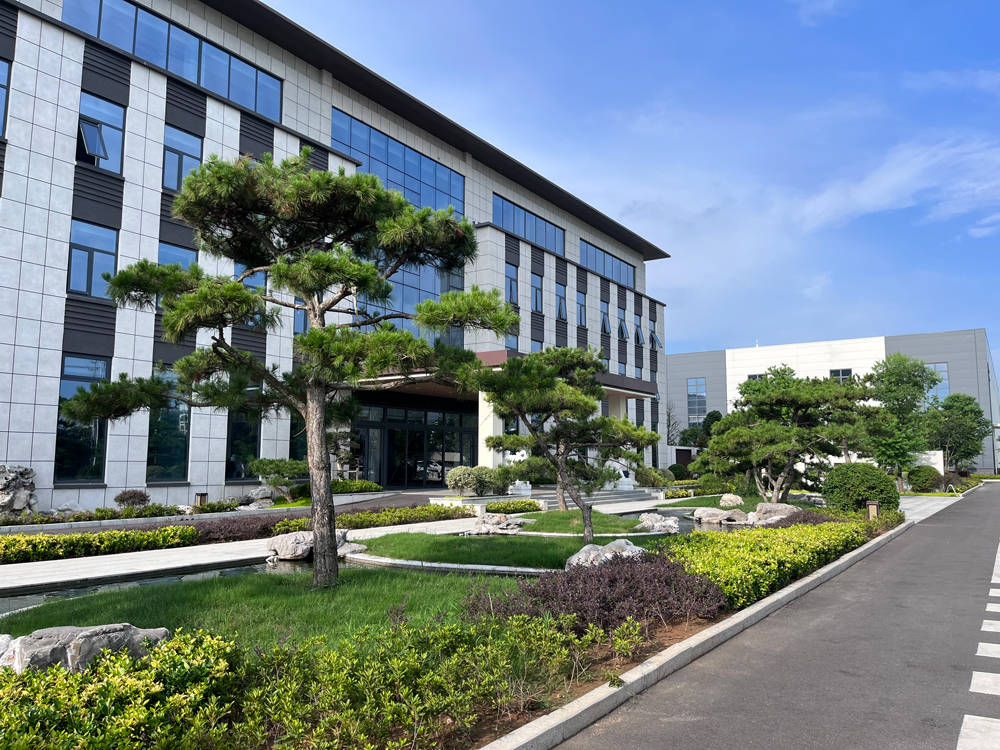
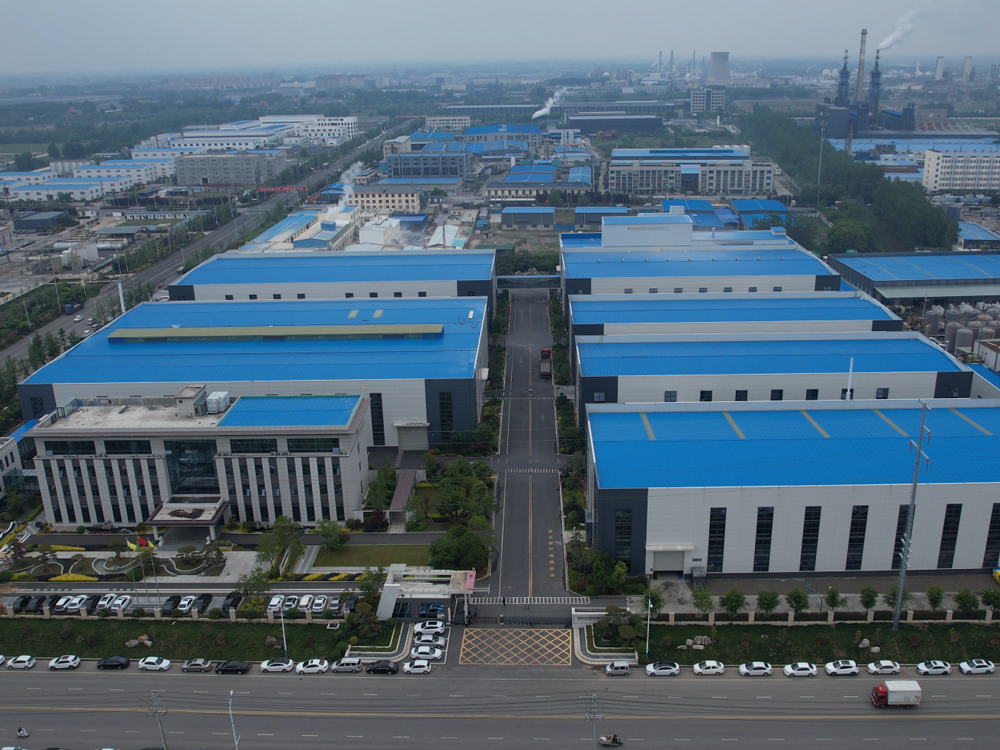
To successfully deploy adhesive solutions in Japan, it is essential to understand the specific architectural and environmental contexts where these products excel:
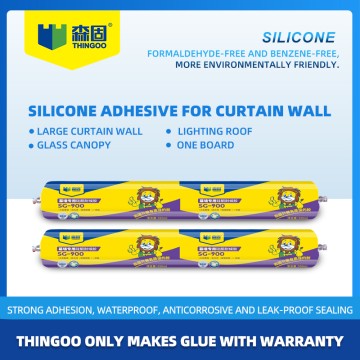
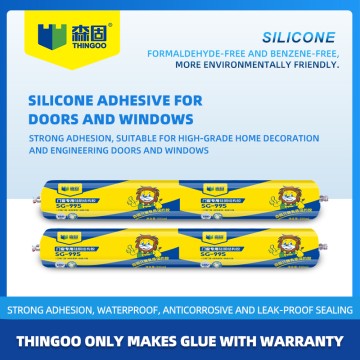
High-rise buildings in Tokyo are engineered to sway during seismic events to dissipate energy. Rigid adhesives would crack and fail instantly under these conditions. SENGU's high-elasticity structural sealants, such as the SG-995 and SG-900 series, are designed to act as flexible shock absorbers within the expansion joints, maintaining a perfect seal and preventing water ingress even after multiple seismic cycles.
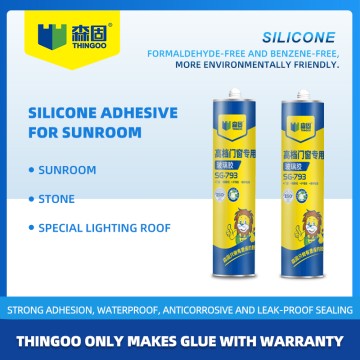
Osaka’s coastal location exposes buildings to high humidity, salt spray, and intense coastal winds. Aluminum composite panels (ACPs) used for modern facades require specialized sealants that do not stain the panels or lose adhesion when exposed to salt-laden air. The SG-793 Special Silicone Weatherproof Sealant is formulated to resist chemical corrosion and environmental weathering in coastal environments, ensuring long-term aesthetic and structural integrity.
Japan’s hot, humid summers create ideal conditions for mold and mildew growth, particularly in wet areas like bathrooms and kitchens. SENGU’s anti-mould and waterproof silicone adhesives are designed for residential sanitary applications, preventing moisture penetration and resisting fungal growth to keep domestic spaces clean and hygienic.
Our products are widely used in indoor and outdoor decoration, such as sealing and bonding of kitchens, bathrooms, doors, windows and flooring gaps to ensure the comfort and beauty of the home environment.
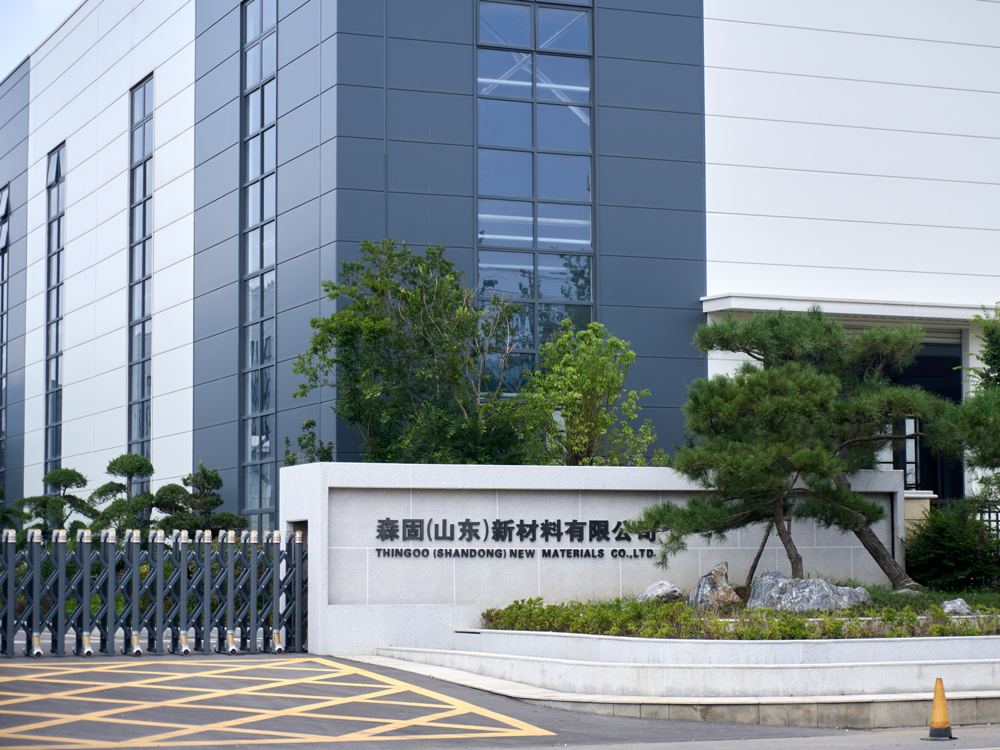
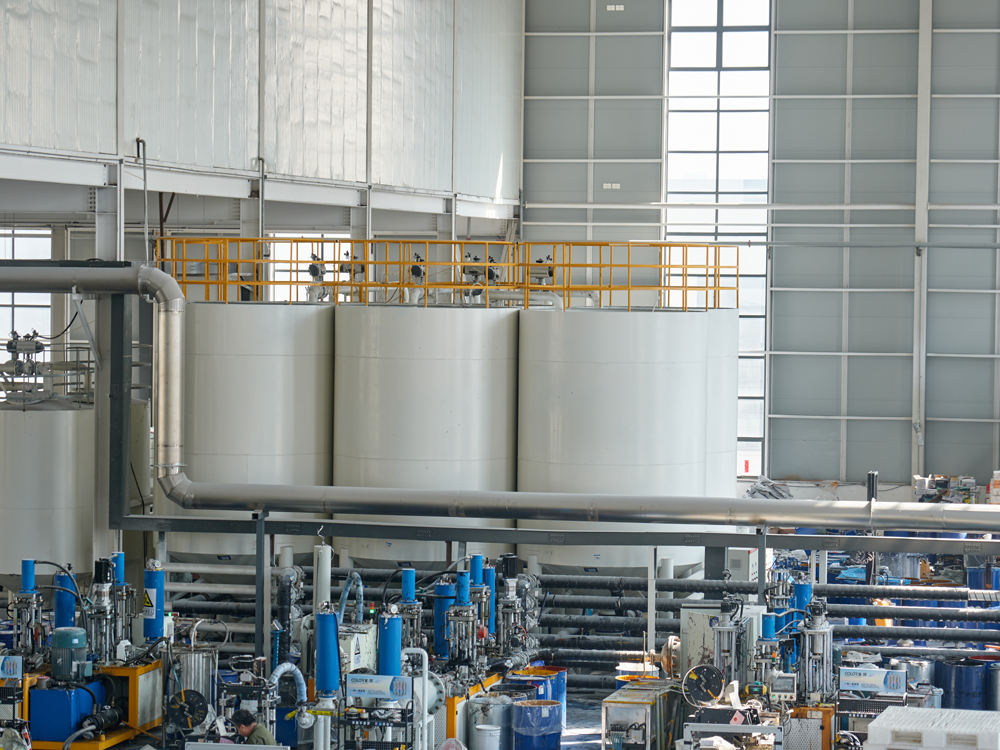
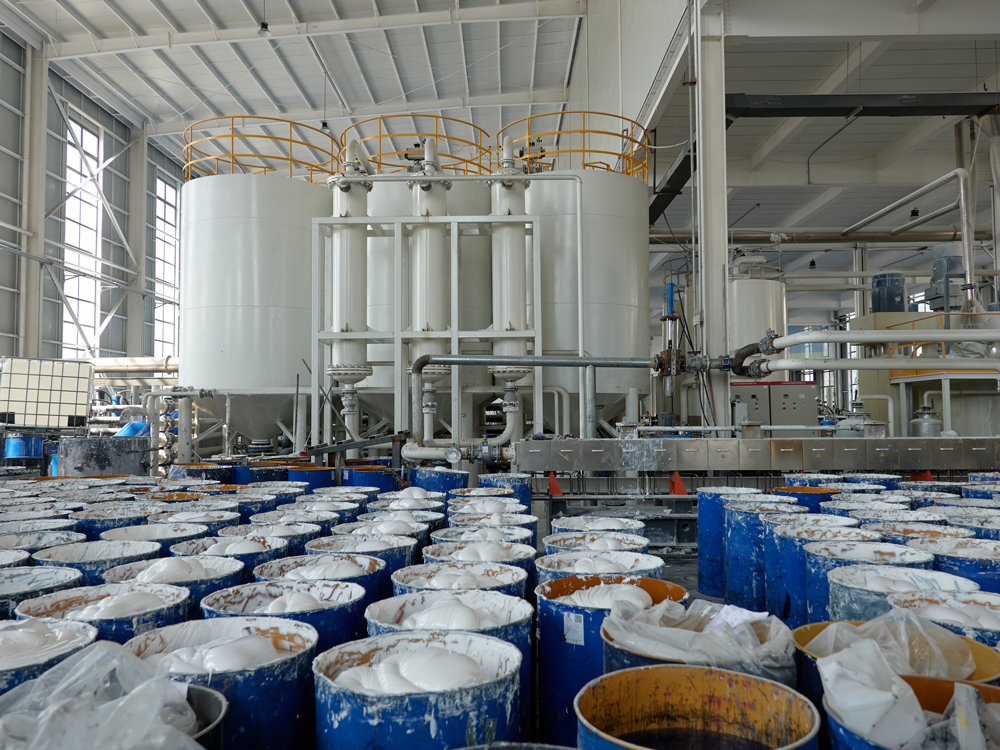
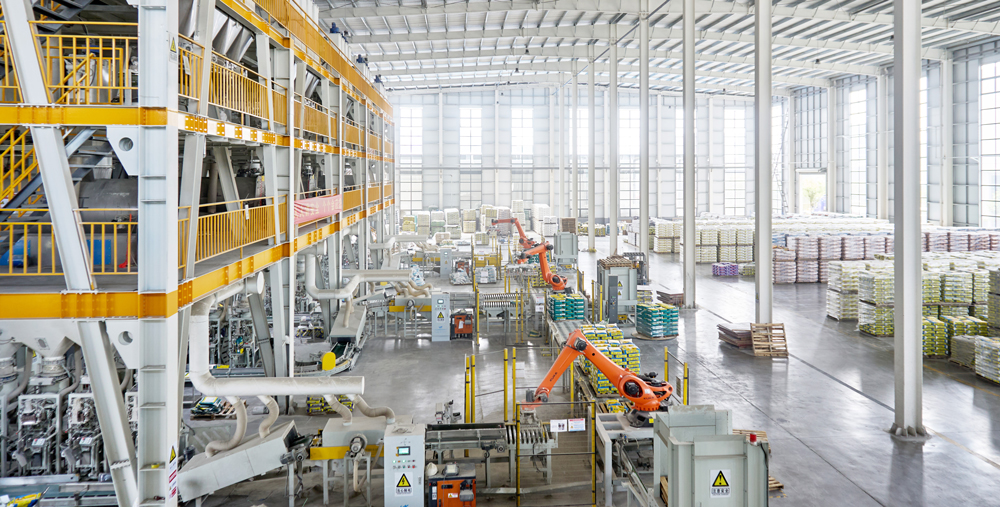
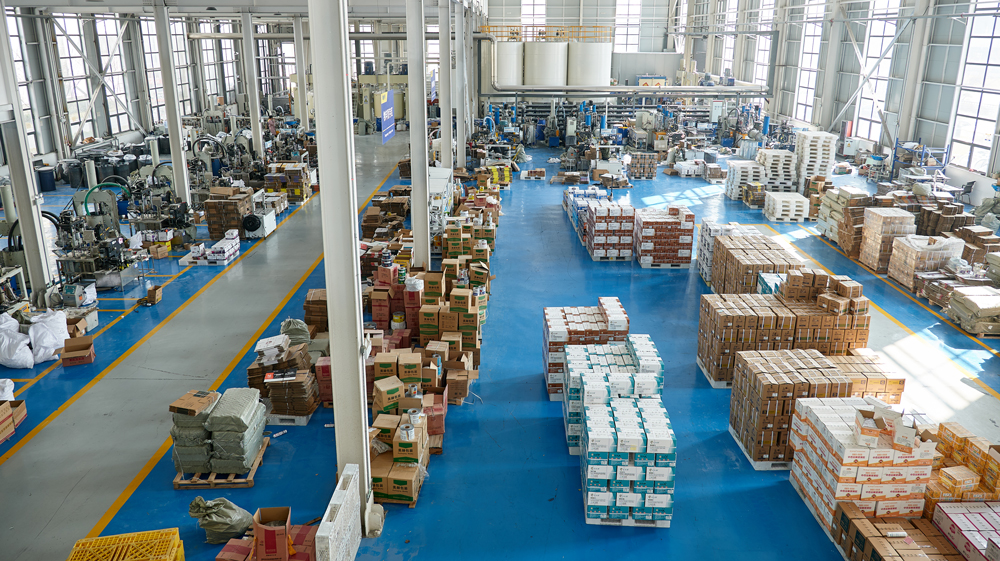
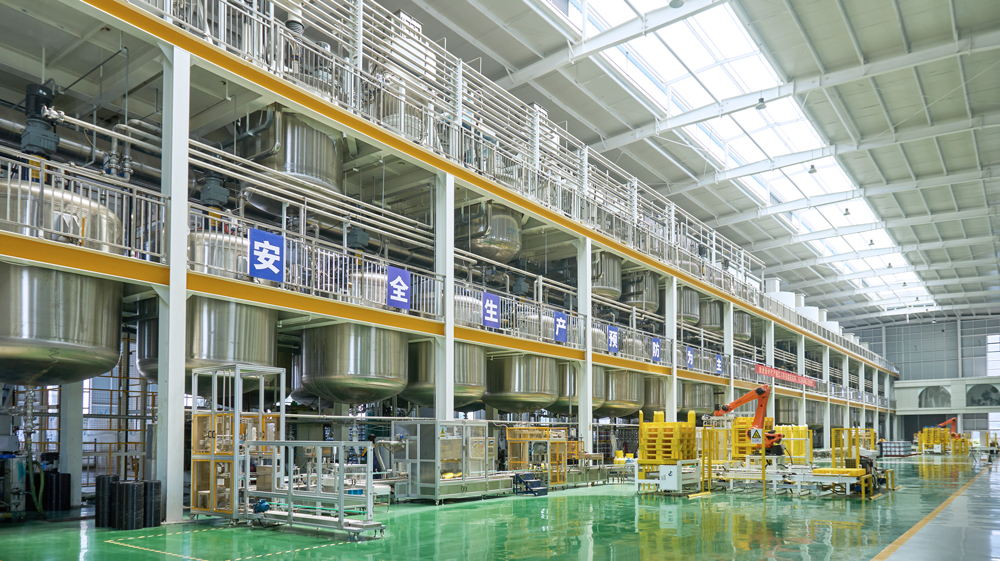
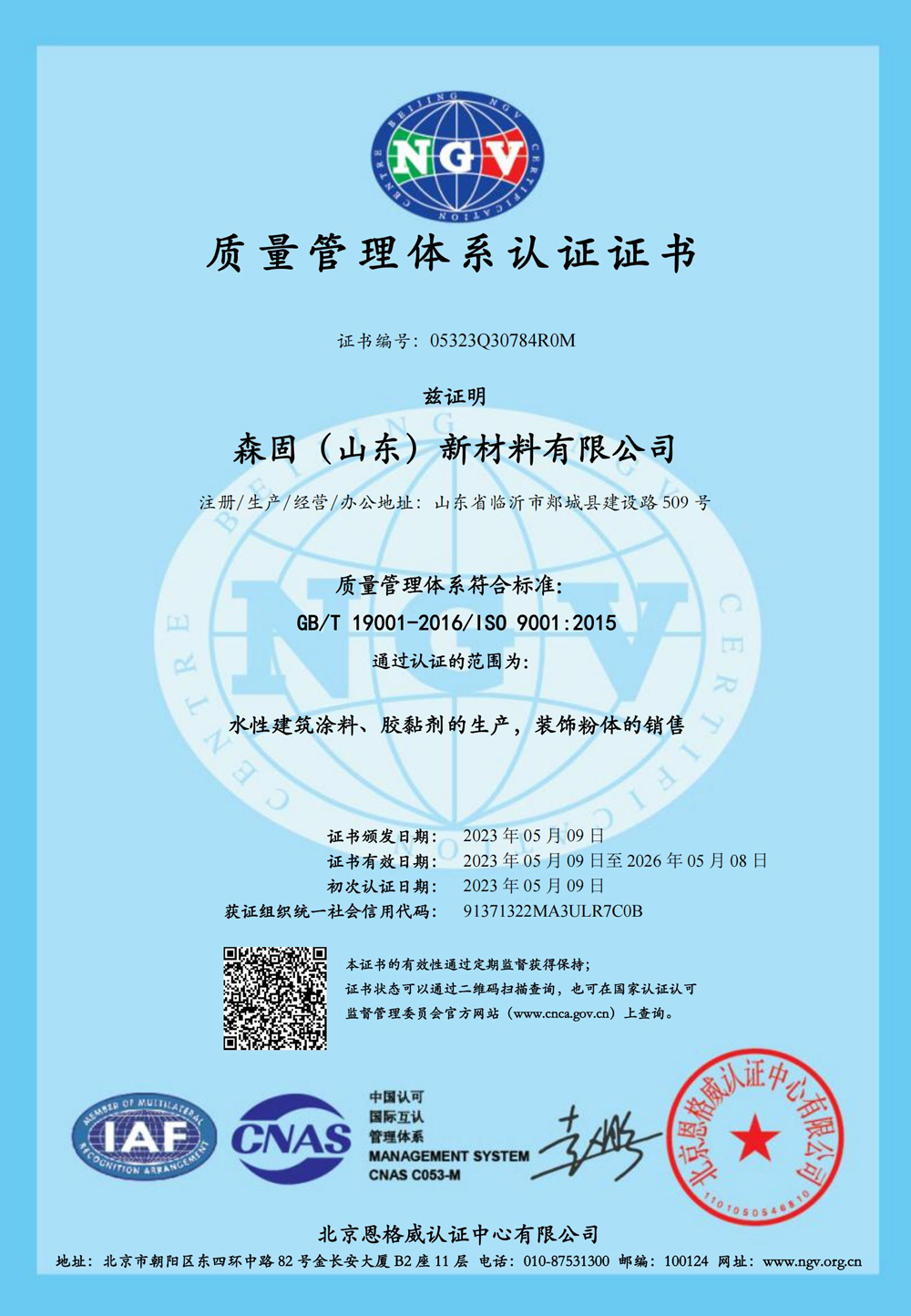
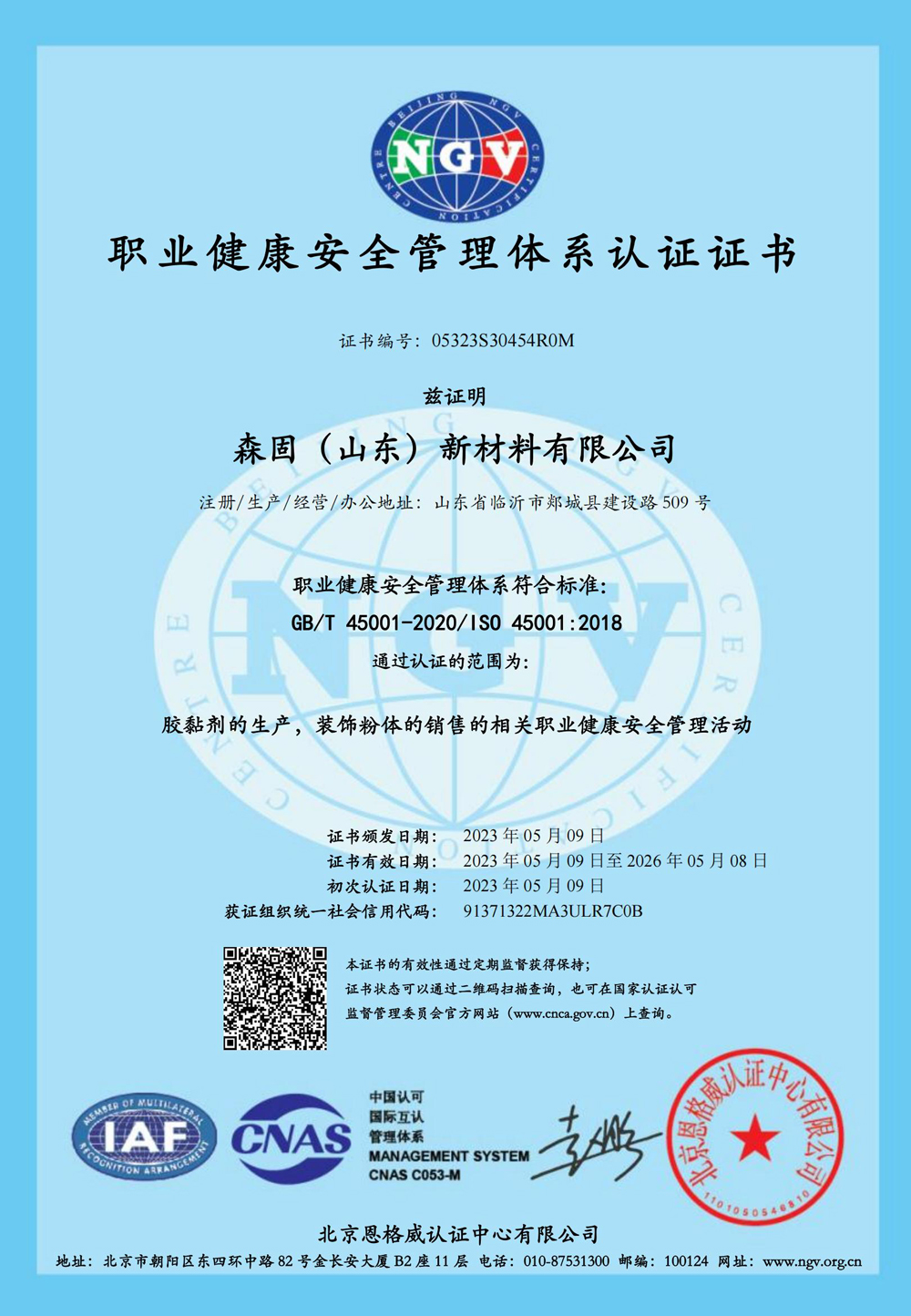
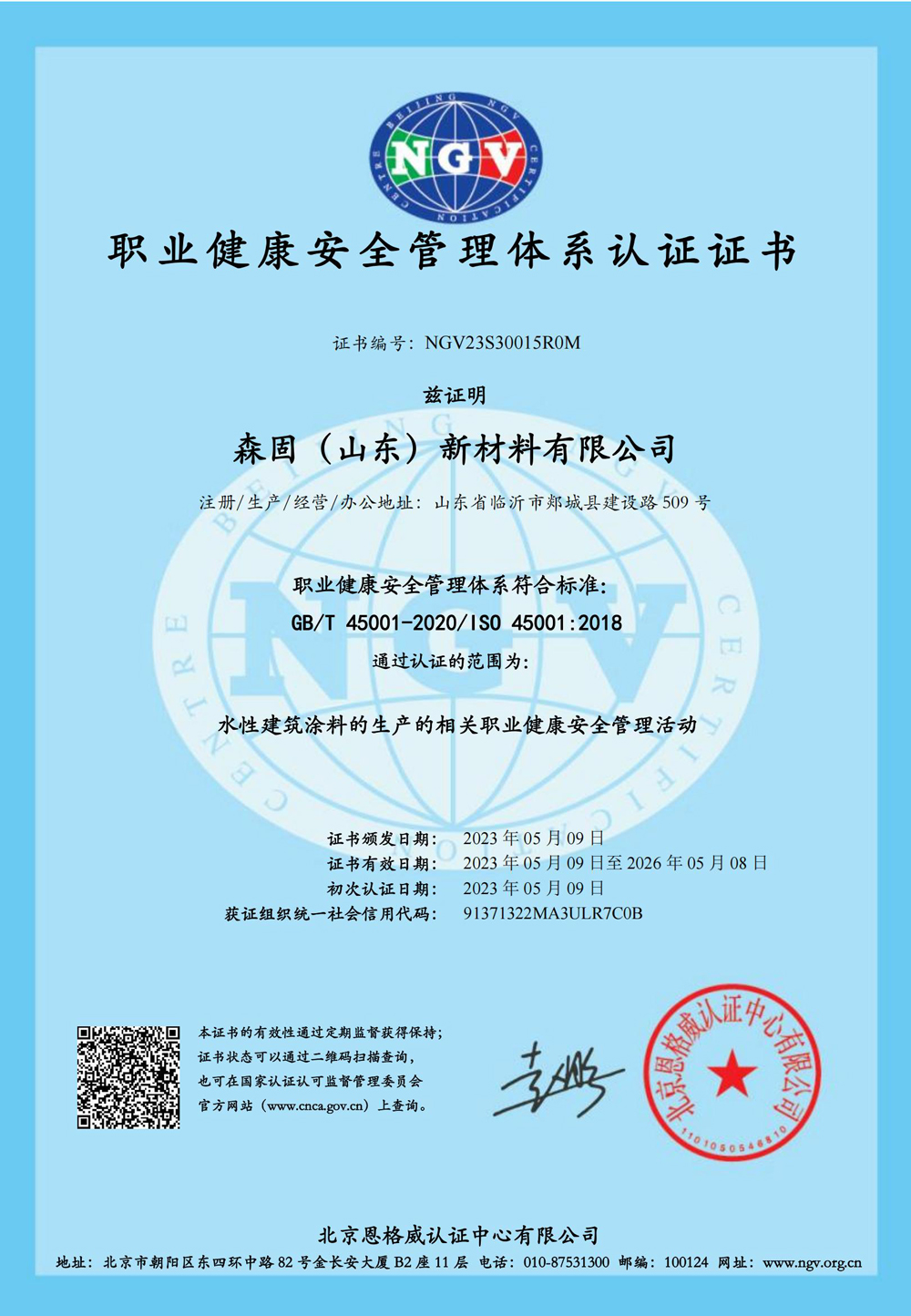
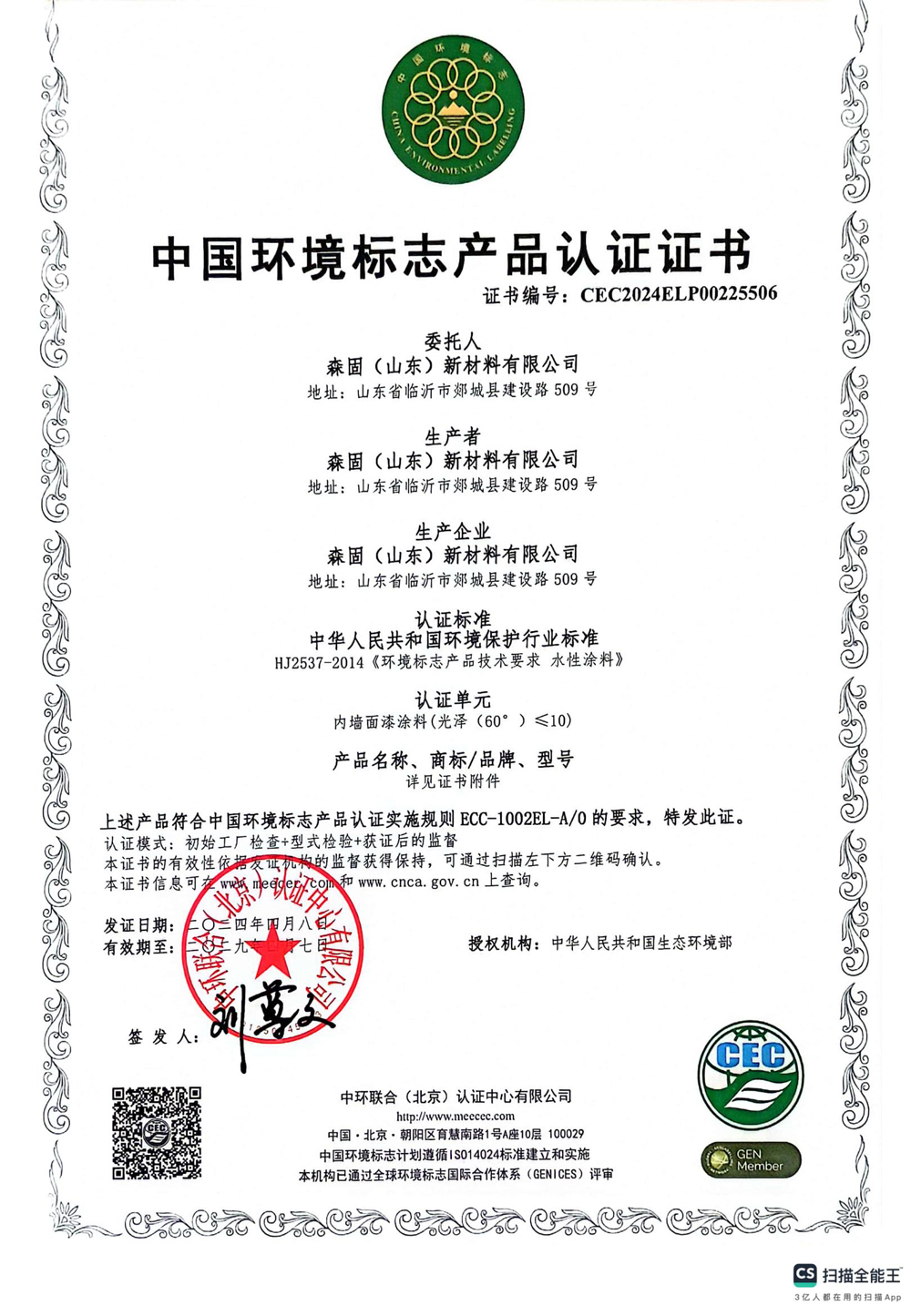
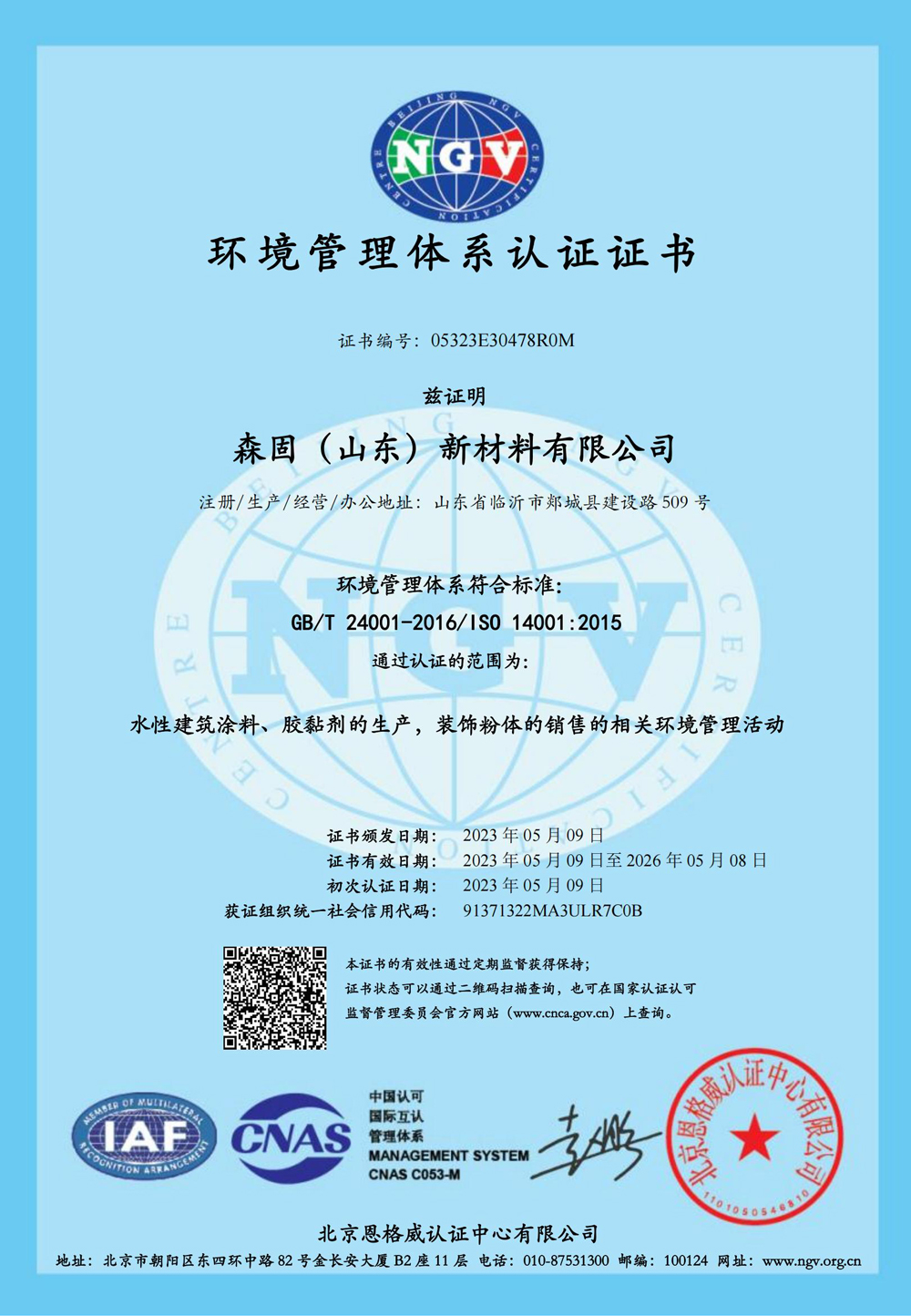
With advanced production equipment and technology, we strictly implement ISO quality management system to ensure that each silicone adhesive meets international environmental standards, such as solvent-free, low VOC emission, harmless to human body and friendly to the environment.
Our product range includes, but is not limited to, waterproof silicone adhesive, anti-mould silicone adhesive, transparent silicone adhesive and a wide range of colour options to meet the individual needs of different consumers.
In terms of international trade, we have an experienced export team who are familiar with the international trade process and the regulations and standards of building materials in various countries.
We have established solid relationships with distributors in many countries and regions around the world by participating in international building materials exhibitions.
Our silicone adhesive products have successfully entered the markets of Europe, America, Asia and the Middle East, and have won wide recognition and praise.
We firmly believe that through continuous technological innovation and market expansion, our silicone adhesive for home decoration will become the preferred brand for global home decoration.
Selecting the right silicone adhesive for a project in Japan requires matching the chemical properties of the sealant with the specific demands of the application environment. Factors to consider include:
Different materials require different curing systems. Neutral-cure silicone sealants are recommended for metals, concrete, and masonry, as they do not release corrosive acid during curing. For glass-to-glass structural joints, high-modulus acetoxy or specialized neutral structural sealants are preferred due to their high tensile strength and rapid adhesion profile.
In seismic regions like Japan, joints must accommodate thermal expansion, wind loads, and structural movement. Before application, calculate the expected joint movement and select a sealant with a corresponding movement rating (e.g., ±25% or ±50%). Proper joint design, including the use of backing rods to prevent three-sided adhesion, is critical to ensuring the sealant can stretch and compress as intended.
Verify that the selected adhesive complies with local environmental regulations. SENGU's manufacturing processes implement strict quality control systems to ensure low VOC emissions, supporting compliance with international green building standards and clean indoor air requirements.