Leave Your Message
Choosing among the top types of Steel Shingles for 2026? It's not just about matching colors or checking price tags. These shingles can look like slate, wood, or even traditional asphalt, and they stand up well against wind, fire, and moisture. But here's the catch: how well they actually perform depends on the whole roofing system, not just the panel. So buyers should look at the steel grade, coating technology, panel thickness, fasteners, and how it's installed.
Common choices include Stone-Coated Steel shingles, interlocking steel panels, pressed metal tiles, and concealed-fastener designs. Stone-coated products give you that textured, architectural look. Standing-seam-inspired panels offer clean lines and fewer exposed fasteners. Interlocking designs can help in severe weather, but installation quality still matters a lot. A panel that's out of alignment can ruin an expensive roof.
Details matter.
Roof pitch, local rainfall, snow loads, coastal exposure, and attic ventilation should all shape the decision. Ask for written warranty terms, and confirm whether labor, fading, corrosion, and fastener failure are covered. The experience of an independent installer matters too. A manufacturer's brochure is no substitute for an actual roof inspection.
There's no universal winner here. A lightweight profile might be great for a renovation, while a heavier system may be a better match for a high-wind property. Some buyers care most about appearance and resale appeal. Others want low maintenance and a dependable service life. Even published rankings can oversimplify real projects—and honestly, that limitation is worth considering. This guide compares leading steel shingle types through practical performance, installation demands, maintenance needs, and long-term value. The goal isn't to chase the trendiest profile. It's to help you choose a system that fits the building, climate, budget, and contractor expertise.
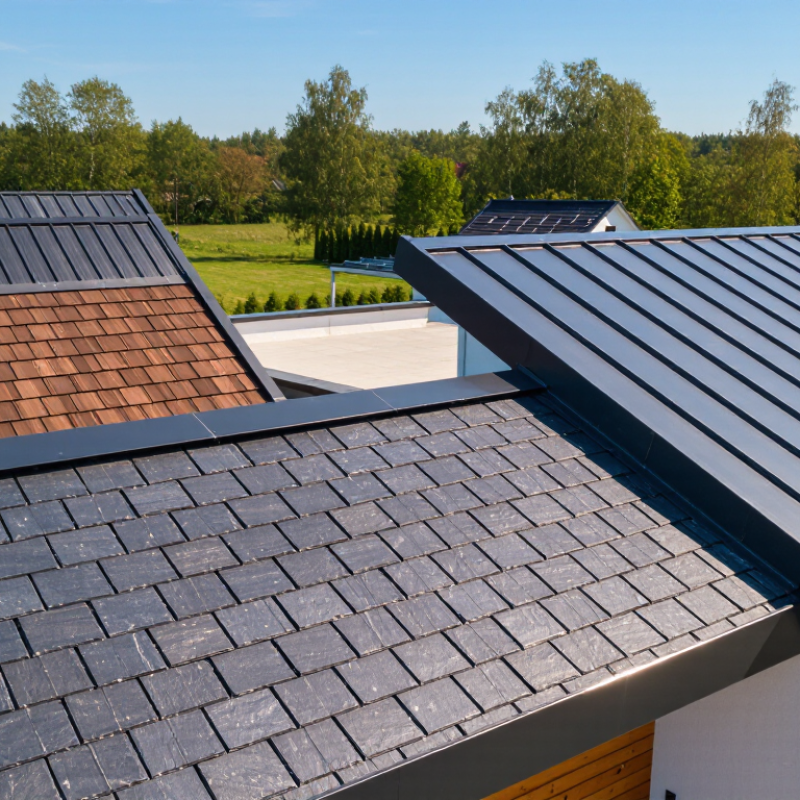
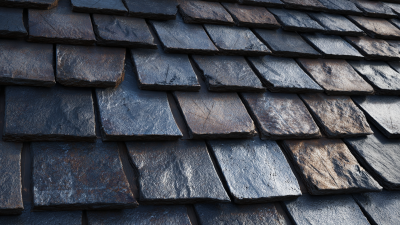
Steel shingles are interlocking roof panels made from formed steel, usually with protective metallic and painted coatings. They imitate the texture of slate, wood, or traditional shingles while weighing less than many mineral products. In roof inspections, I look beyond appearance. Edge details, fastener placement, coating condition, and ventilation often reveal more about performance.
Steel shingles are commonly classified by profile, coating, thickness, and installation method. Profile describes the visible shape, such as slate-like, shake-like, or tile-like patterns. Coatings may include zinc-based protection, aluminum-zinc protection, and durable exterior finishes. Thickness affects rigidity, handling, and resistance to dents, although thicker steel is not automatically better. Some systems use exposed fasteners, while others conceal them beneath overlapping panels. That difference can change maintenance needs and visual results.
Classification can feel tidy. Real products overlap. A strong buyer should request technical data, coating specifications, wind and fire ratings, and installation instructions. Check whether the system suits the roof pitch and local weather. Tips: Order a physical sample, inspect the underside, and ask how cut edges are protected. Do not judge quality from color alone. I once underestimated how much roof geometry affected installation time; simple-looking shingles can require careful detailing around valleys, vents, and chimneys. A qualified installer should explain those areas before purchase.
| Steel Shingle Type | How It Is Classified | Typical Material and Finish | Appearance | Main Advantages | Best-Fit Applications | Buyer Considerations |
|---|---|---|---|---|---|---|
| Stone-Coated Steel Shingles | Classified by a granular surface bonded to formed steel. | Galvanized or aluminum-zinc-coated steel with an acrylic-coated mineral granule surface. | Can resemble asphalt shingles, wood shakes, or tile. | Textured appearance, strong resistance to ultraviolet exposure, and relatively low weight compared with many tile products. | Residential roofs where a traditional appearance and metal durability are desired. | Check granule adhesion, corrosion protection, installation details, and the product’s tested wind and impact ratings. |
| Pressed-Pattern Steel Shingles | Classified by a stamped or pressed profile that creates a repeating shingle pattern. | Pre-finished coated steel, commonly protected with metallic coating and a paint system. | Regular rows with simulated slate, shake, or shingle textures. | Consistent appearance, concealed or covered fasteners on some systems, and efficient panelized installation. | New construction, reroofing, and projects requiring a decorative shingle profile. | Confirm the minimum roof slope, side-lap requirements, underlayment specification, and compatibility with flashings. |
| Interlocking Steel Shingles | Classified by side-locking and end-lapping edges that connect adjacent units. | Coated steel panels or individual shingles with a protective paint finish. | Compact modular layout with clean horizontal and vertical lines. | Helps control water movement, improves alignment, and can reduce visible fastening points. | Homes and low-rise buildings in areas exposed to wind-driven rain, when installed according to the tested system. | The interlock is only effective when laps, clips, fasteners, and perimeter details are installed correctly. |
| Flat Steel Shingles | Classified by a low-relief or nearly flat face with defined seams and edges. | Pre-finished galvanized or aluminum-zinc-coated steel. | Minimalist, modern, or smooth slate-like appearance. | Clean visual lines, low surface texture, and compatibility with contemporary designs. | Modern residential architecture and small commercial structures. | Adequate drainage depends heavily on roof slope, seam design, underlayment, and carefully detailed penetrations. |
| Granular-Finish Steel Shingles | Classified primarily by the mineral-granule top layer rather than by the panel shape. | Metal substrate with a corrosion-resistant coating, primer, adhesive layer, and colored mineral granules. | Matte, textured surface with reduced metallic glare. | Broad color choices, a less industrial appearance, and added surface texture. | Projects where glare control and a non-metallic visual effect are important. | Inspect sample panels for color consistency and verify the manufacturer’s requirements for cutting and handling. |
| Painted Steel Shingles | Classified by the organic paint system used over a metallic-coated steel substrate. | Galvanized or aluminum-zinc-coated steel with primer and factory-applied exterior paint. | Smooth or lightly textured finish in a wide range of colors. | Color flexibility, relatively easy cleaning, and a broad selection of profiles. | Residential and light commercial roofs where color coordination is a priority. | Compare coating performance, color-retention testing, scratch resistance, and the availability of matching accessories. |
| Galvanized-Steel Shingles | Classified by a zinc coating applied to the steel substrate for corrosion protection. | Steel coated with zinc, often followed by a primer and paint finish. | Available in metallic, painted, or patterned finishes. | Zinc provides sacrificial corrosion protection when the coating is properly specified and maintained. | General roofing in environments with ordinary atmospheric exposure. | Use extra caution in coastal or highly corrosive environments and prevent contact with incompatible metals. |
| Aluminum-Zinc-Coated Steel Shingles | Classified by a metallic coating containing aluminum and zinc on the steel surface. | Steel substrate with an aluminum-zinc alloy coating, usually combined with a paint system. | Smooth, painted, textured, or stone-coated depending on the product design. | Provides a protective barrier and is widely used for durable pre-finished steel roofing. | Residential and commercial roofing where long-term coating performance is required. | Avoid damaging cut edges and follow the specified fastener, flashing, and dissimilar-metal requirements. |
| Recycled-Content Steel Shingles | Classified by the percentage of recycled steel in the substrate, not by the visible profile. | Steel with documented recycled content and a standard metallic or painted protective finish. | Appearance depends on the selected shingle profile and finish. | Steel roofing is recyclable at the end of service life, and recycled-content documentation may support project sustainability goals. | Green-building projects and buyers prioritizing material circularity. | Request verified recycled-content documentation and evaluate the complete roof assembly rather than material content alone. |
Steel shingles are interlocking roof panels formed from coated steel. They imitate slate, wood, or tile. They are usually lighter than mineral roofing materials.
They are classified by profile, coating, thickness, and installation method. Profiles may look like slate, shake, or tile. Fasteners can remain visible or hide beneath overlapping panels.
No. Thickness affects rigidity, handling, and dent resistance. However, coating quality, fastening, and installation also matter. Thicker is not automatically better.
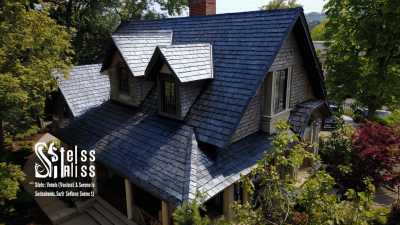
Slate-like panels suit homes with steep, visible rooflines. Their layered surfaces create deeper shadow lines. The result feels substantial.
Shake-style profiles suit cottages, cabins, and timber-framed homes. Their irregular texture can soften a rigid modern exterior. They create a warmer visual effect.
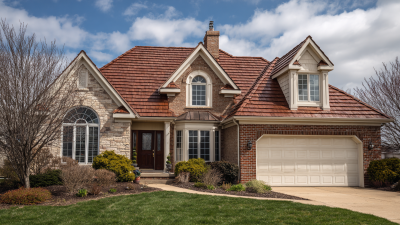
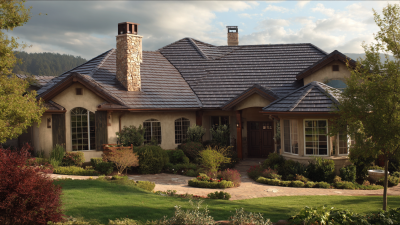
Yes. Tile-look panels can imitate tile without carrying the same material weight. They may suit Mediterranean or low-country designs. The roof structure still needs professional review.
Snowy regions need checks for roof pitch, snow retention, and structural capacity. Coastal roofs need durable coatings and carefully sealed fasteners. Salt air can accelerate coating problems.
Inspect valleys, vents, chimneys, flashing, underlayment, and drainage paths. Fastener placement also deserves close attention. Small details matter.
No. Color alone reveals little about long-term performance. Request coating data, wind ratings, hail testing, corrosion information, and fire performance. Also inspect a physical sample and its underside.
A beautiful profile may look unsuitable on a shallow roof. Roof geometry can also extend installation time around valleys and chimneys. I once underestimated that effect. I would check the roof carefully now.
Steel Shingles are lightweight, durable roofing products made from shaped steel panels and protected with coatings that help resist rust, weather, and ultraviolet exposure. In 2026, buyers can compare stamped Metal Shingles, interlocking designs, stone-coated surfaces, and smooth or textured finishes. Material thickness, protective layers, fastener quality, and edge treatment all influence service life, appearance, and resistance to wind, moisture, hail, and temperature changes. Galvanized and zinc-aluminum coatings may offer different levels of corrosion protection, so the roofing environment should guide the selection.
The best style depends on the building’s design, roof slope, climate, and maintenance expectations. Buyers should evaluate expected durability, repainting or cleaning needs, installation complexity, ventilation, and compatibility with the existing roof structure. Total cost should include materials, labor, underlayment, accessories, and long-term upkeep rather than focusing only on the purchase price. Before ordering, carefully review the warranty coverage, installation requirements, wind and fire ratings, coating limitations, and repair procedures to ensure the selected steel shingle system provides reliable performance and suitable value.