You know, in the constantly shifting world of modern architecture, using sustainable materials has really become a top priority for designers and builders. One material that’s been catching a lot of attention lately is Faux Stone. 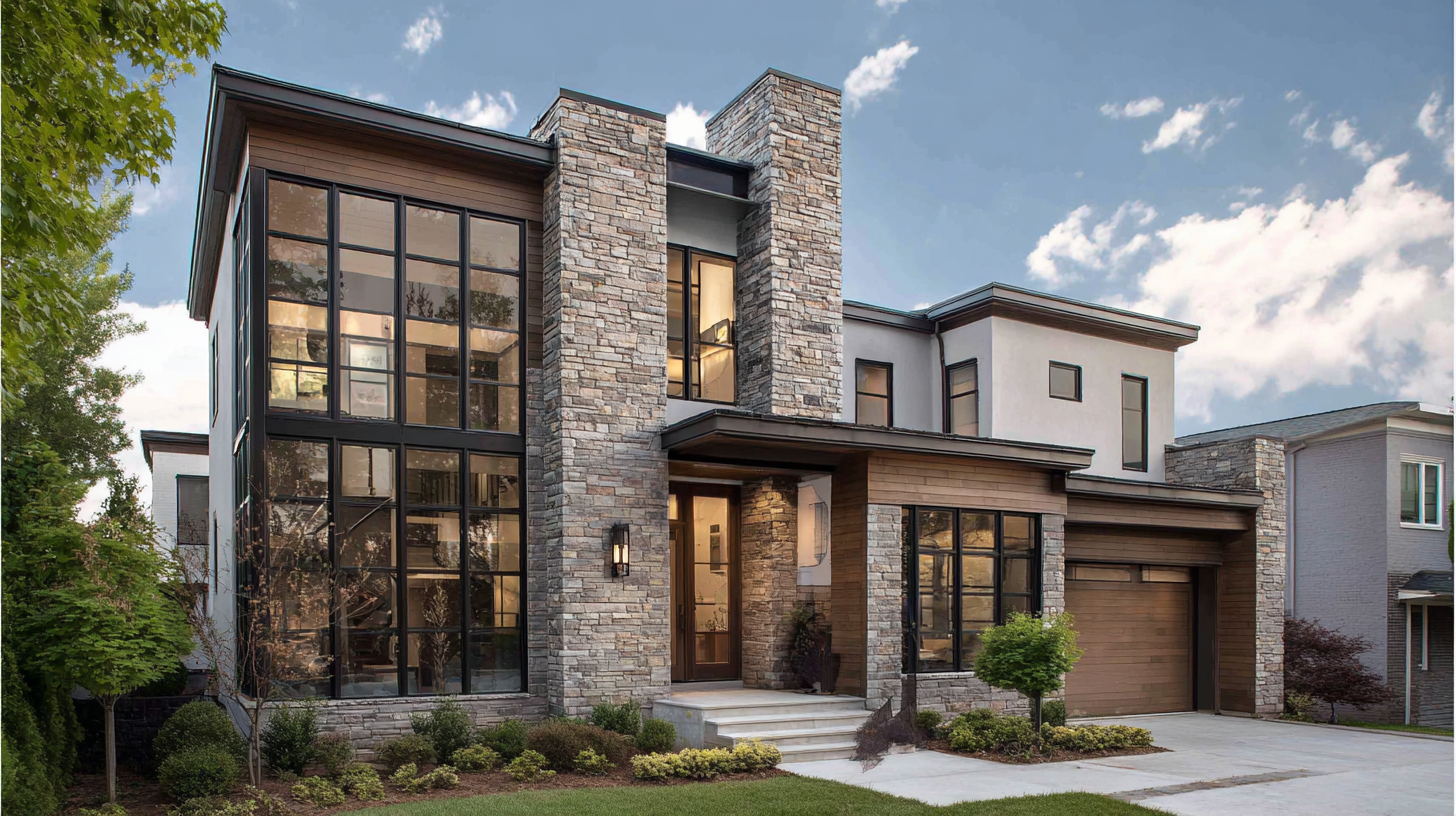 It looks pretty much like real stone but is way lighter and costs less, which is a big plus. There’s this company called Sengu (Shandong) New Materials Co., Ltd., and they’re really leading the charge here. They’re all about creating safe, eco-friendly, and durable solutions for home decoration. The company’s sprawling across nearly 100 acres, blending R&D, manufacturing, and sales to ensure every product they make hits high marks in quality and sustainability. By choosing Faux Stone, architects and homeowners can get that beautiful, natural stone look without the environmental guilt — it’s perfect for keeping up with current trends and pushing green building practices forward.
The Versatility of Faux Stone in Contemporary Design Choices
Faux stone has really become a go-to material in modern architecture these days. It’s surprisingly versatile, allowing designers to strike a pretty cool balance between looks and function. Especially in bustling cities like Macau and Shanghai—where shiny new buildings sit side by side with old-school historical structures—faux stone offers a clever way to honor traditional styles while still pushing the envelope. You can especially see this in cultural centers and public spaces, where it not only boosts visual appeal but also helps keep things sustainable.
Thanks to advances in faux stone tech, architects can now create seamless designs that look just like real stone—only lighter and way easier on the wallet, without sacrificing quality. It’s also a breeze to install and maintain, which makes it a popular choice for projects that care about being eco-friendly. Just look at recent design events like DESIGN SHANGHAI—more and more, faux stone is becoming part of the movement toward greener building practices. Honestly, it’s pretty exciting to see how this material is shaping what our future cities might look like.
The Benefits of Using Faux Stone in Modern Architecture Trends and Sustainability Insights
Cost-Effectiveness of Faux Stone: A Sustainable Option for Architects
You know, faux stone has really become a popular choice these days—it's a budget-friendly and eco-conscious alternative that’s changing how architects think about design and materials. I came across a report from the International Council of Shopping Centers, and it says that using faux materials can cut construction costs by up to 30% compared to traditional stone. That’s pretty huge, especially for both homes and commercial buildings. Plus, because faux stone is lightweight, architects can save on transportation costs and even help lower the overall carbon footprint of their projects. It’s all about staying aligned with those sustainability goals we keep hearing about.
And here’s a nice bonus—most faux stone products are made from recycled stuff, which helps keep waste down and promotes a circular economy. A study by the Sustainable Building Research Center also mentioned that structures built with faux stone tend to use about 20% less energy over their lifecycle. So, not only does it help the environment, but it’s also a smart move for owners looking to save money in the long run. All in all, faux stone seems to be a pretty solid choice these days, blending cost savings with being good for the planet—what’s not to love?
Enhancing Aesthetic Appeal: Faux Stone Finishes in Modern Architecture
Faux Stone Finishes are really becoming ahot favorite in modern architecture these days. Why? Because they add a touch of beauty and style without breaking the bank or hurting the environment. Basically, they give you the stunning look of natural stone but without the hefty cost or ecological footprint. The market’s been buzzing with excitement, especially since more folks are after those luxe natural materials for their buildings. And things are only expected to kick up a notch — reports are saying the global decorative stone industry could hit around $50 billion by 2026. That’s mainly thanks to all the new manufacturing techniques and materials that make faux stone look super authentic.
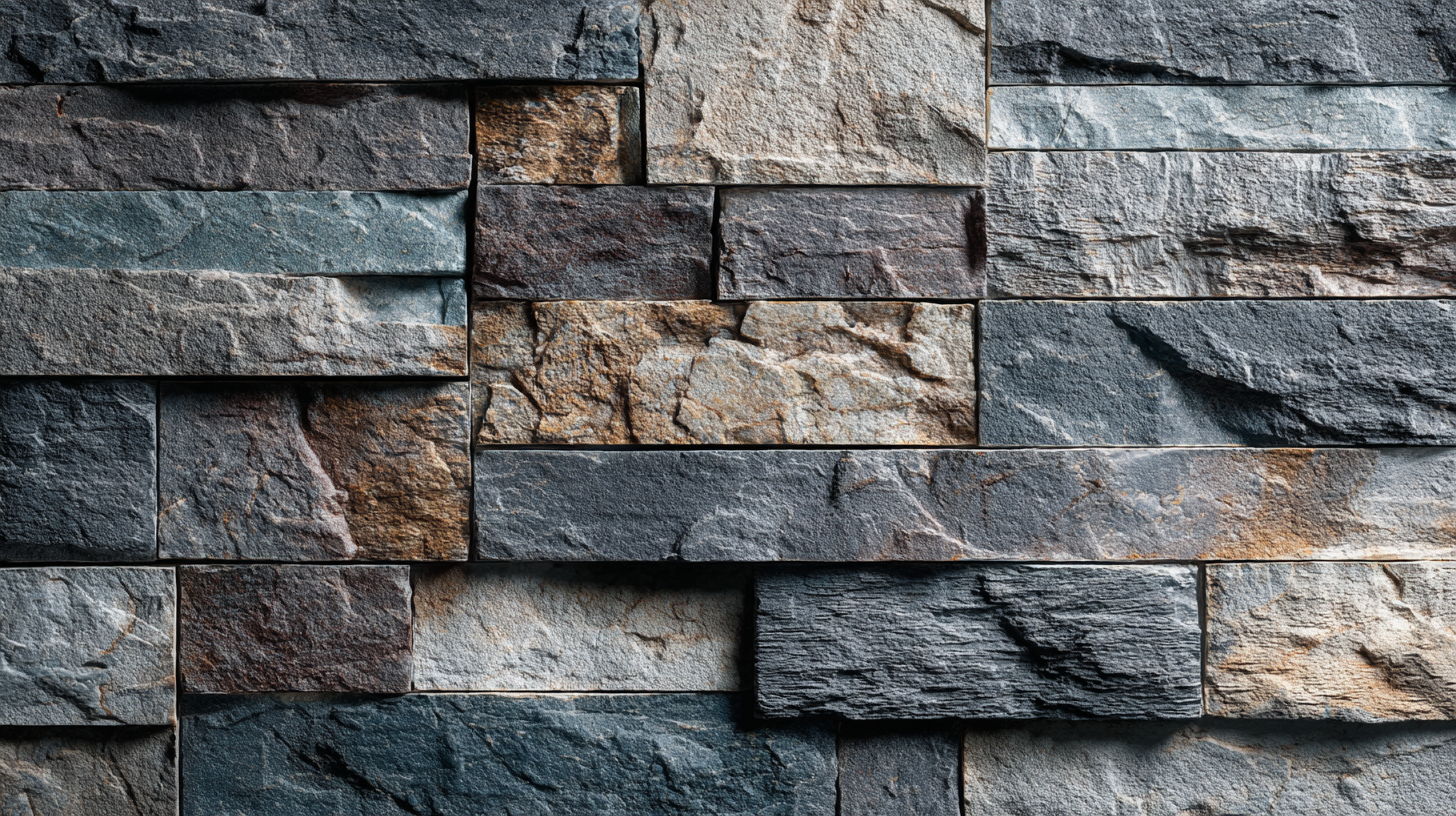
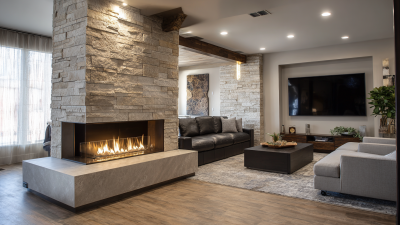
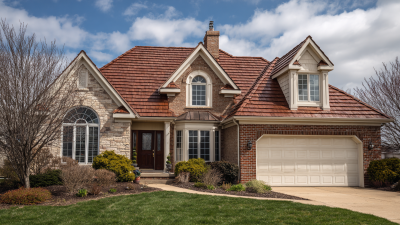
What’s cool is how versatile faux stone is. It fits right in with pretty much any architectural style — whether it’s a sleek modern home or a cozy rustic cabin. That’s part of why architects and designers love it so much. Lately, there’s also been a trend of using faux finishes not just for the looks but for added benefits like better insulation. Basically, they make your home look good while also helping out with energy efficiency — a win-win in today’s push for greener building practices. As more homeowners look for ways to boost curb appeal without sacrificing sustainability, faux stone finishes are definitely shaping up to be a key player in the future of modern design.
Environmental Benefits of Choosing Faux Stone for Construction
You know, more and more, people are realizing just how good faux stone can be for the environment when it comes to modern building styles. For instance, the US market for stone veneers has really been booming — it was valued at around $675.7 million in 2023 and is expected to hit nearly $974.2 million by 2032. That’s quite a jump! This trend shows there's a growing appreciation for eco-friendly materials that don't harm the planet so much. Faux stone, which is often made from recycled stuff, helps cut down on resource use and waste, so it’s totally in line with the construction industry's push towards greener practices.
And it’s not just about recycled materials — tech is making things even better. For example, researchers are finding ways to make concrete more sustainable by using alternatives like bagasse ash and stone dust. These innovations don’t just make the buildings stronger and last longer; they also help lower the carbon footprint of new constructions. So, by choosing faux stone, architects and builders aren’t just making stylish choices — they’re actively fighting pollution and helping build a more sustainable future. Honestly, it feels like a smart move in today’s evolving world of construction materials.
Innovative Faux Stone Applications in Eco-Friendly Building Trends
Lately, you might have noticed that the use of faux stone in modern architecture is really taking off, especially with all the buzz around eco-friendly building trends. I came across a report on the US stone veneer market, and get this — it was valued at around USD 675.7 million in 2023, and experts actually expect it to grow to about USD 974.2 million by 2032. That’s a pretty big jump! It kind of shows that more and more folks are digging sustainable materials that look like natural stone but are kinder to the environment. Pretty cool, right?
What’s really interesting is how innovative faux stone is becoming a must-have in eco-conscious building designs. It’s not just about looking good—although it definitely does that—it's also about making buildings more energy-efficient. Did you know that the construction industry makes up nearly 40% of the world’s energy use and greenhouse gases? Crazy! But using materials like faux stone can actually help cut down on that impact. Builders are now putting a lot of effort into research and development to make sure their products—like countertops and surfaces—aren’t just pretty but also safe, durable, and eco-friendly. It’s like a little step toward more responsible home decor solutions, and honestly, I think that’s pretty inspiring.
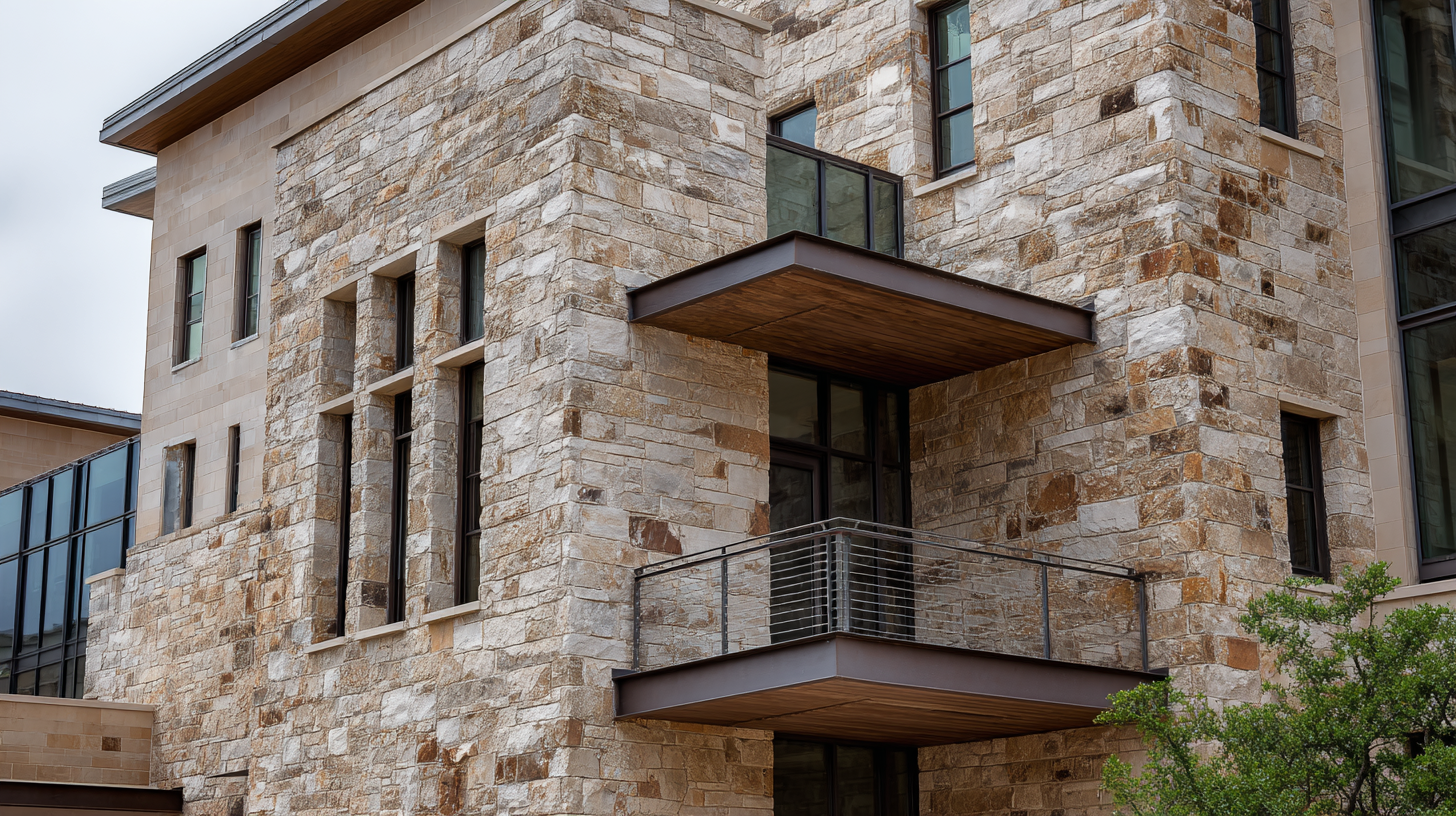
Maintenance Advantages of Faux Stone Over Natural Stone Materials
Lately, faux stone has really been gaining popularity in modern architecture — and honestly, a big part of that is because it’s so much easier to keep looking good compared to real stone. I came across a report from the National Stone, Sand & Gravel Association, which mentions that maintaining natural stone can actually cost you up to 30% of what you initially spent over time. That's mainly because it tends to weather and stain quite easily. Faux stone, usually made from high-density polyurethane or other synthetic stuff, doesn’t require that much fuss. Usually, just a quick clean with soap and water does the trick to keep it looking fresh.
Another thing I love about faux stone is how lightweight it is. It makes installation way simpler, not to mention it cuts down on transportation costs and saves time on labor too. There was a study in the International Journal of Architecture that pointed out how this lighter stuff can really speed things up — installation times can drop by as much as half! That’s a huge plus because it means projects get done faster, plus it’s more eco-friendly since it reduces the environmental impact from transportation and structural support. Honestly, when you put all that together, faux stone seems like a pretty smart pick for modern building designs.
FAQS
: Faux stone is a versatile material that mimics natural stone, allowing architects to blend aesthetics with functionality in modern architecture. Its popularity stems from its ability to respect traditional designs while providing innovative solutions in urban settings.
Faux stone is often made from recycled materials, reducing waste and contributing to a circular economy. Its use can also result in energy savings of approximately 20% during lifecycle assessments, enhancing its environmental benefits.
Faux stone can reduce construction costs by up to 30% compared to traditional stone materials. It also lowers transportation costs due to its lightweight nature, contributing to overall cost-effectiveness in building projects.
Faux stone is commonly used in cultural centers, public spaces, residential, and commercial projects. Its versatility makes it suitable for a wide range of architectural designs.
Advances in faux stone technology allow architects to create seamless designs that closely mimic natural stone, providing a high-quality alternative that is light and cost-effective.
The lightweight nature of faux stone reduces transportation costs and contributes to a lower overall carbon footprint for buildings, aligning with sustainability goals.
Yes, faux stone is easy to install and maintain, making it an attractive choice for modern projects focused on sustainability and reducing long-term upkeep costs.
The integration of faux stone reflects a growing trend towards eco-friendly building practices at design exhibitions like DESIGN SHANGHAI, further establishing it as a key player in the contemporary architectural landscape.
Yes, buildings incorporating faux stone can achieve significant reductions in energy consumption, making it an effective option for enhancing energy efficiency in modern architecture.
Faux stone allows for innovative architectural solutions that honor traditional designs, especially in urban areas where modern buildings coexist with historical structures.
Conclusion
Faux stone has really become quite the popular choice these days, especially in modern architecture. It’s super versatile and budget-friendly, which is a win-win, right? Architects love how they can use it to create stunning finishes that boost a building’s look, all while offering a durable alternative to real stone. Plus, using faux stone isn’t just about saving money — it’s also more eco-conscious, helping to reduce environmental impact in construction projects.
And let’s talk about the environmental perks — faux stone generally takes less energy to produce and helps cut down on waste. It’s pretty exciting to see how it fits right into the new wave of eco-friendly building trends. Honestly, it’s a smart choice for architects who want to craft beautiful, sustainable spaces without breaking the bank. Here at Sengu (Shandong) New Materials Co., Ltd., we’re all about making safe, eco-friendly, and long-lasting faux stone products that meet the needs of modern home decor — making beautiful spaces, the green way.