In the constantly changing world of manufacturing, staying innovative is really the key to boosting both efficiency and quality. One material that's been making waves across various industries is Hot Melt Silicone. It’s super versatile and delivers impressive performance, making it a go-to choice for many manufacturers. From speeding up production lines to making products more durable, this stuff really holds its own as an essential part of modern manufacturing.
As companies work hard to improve their operations while keeping standards high, understanding the perks of Hot Melt Silicone is more important than ever. It offers great adhesion and flexibility, plus it can handle intense temperatures and rough environmental conditions without breaking a sweat. Whether you're in automotive, electronics, or consumer goods, adding Hot Melt Silicone into your workflow can seriously upgrade your product quality and efficiency.
In this article, I’ll walk you through the top ten benefits of using Hot Melt Silicone for your manufacturing needs. You’ll see how this innovative material can make your processes smoother and help you stay ahead in a competitive market. Trust me, once you realize what Hot Melt Silicone can do, it might just become your new best friend in the factory.

Understanding Hot Melt Silicone: An Overview of Its Composition
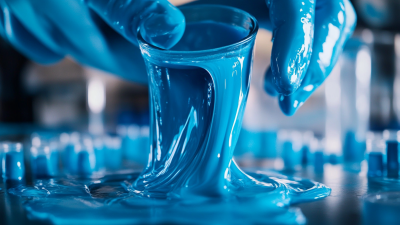
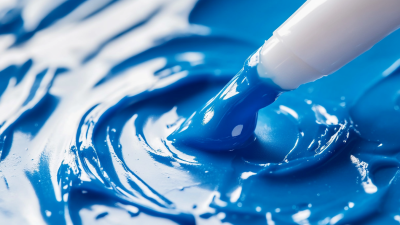
Hot melt silicone is a versatile material widely used in various manufacturing applications due to its unique composition and properties. Comprised primarily of silicone polymers, hot melt silicone formulations typically include additives that enhance their performance, such as fillers and curing agents. These components work together to create a robust adhesive that can withstand extreme temperatures and environmental conditions, making it ideal for industries ranging from automotive to electronics.
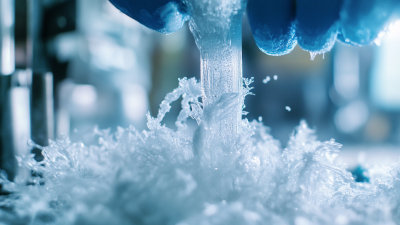
One of the standout features of hot melt silicone is its quick curing process, allowing for efficient production timelines. When heated, the silicone becomes fluid and can easily be applied to surfaces. As it cools, it forms a strong bond that retains flexibility and durability. This adaptability is particularly beneficial in applications where thermal expansion occurs, as hot melt silicone can accommodate movement without compromising the integrity of the bond.
The combination of thermal stability and excellent adhesion properties make hot melt silicone a preferred choice for manufacturers looking to optimize their production processes while ensuring high-quality end products.
The Versatility of Hot Melt Silicone in Various Manufacturing Processes
Hot melt silicone has emerged as a versatile solution in various manufacturing processes due to its unique properties and ease of application. One of the key advantages of hot melt silicone is its ability to bond well with different substrates, including plastics, metals, and textiles. This adaptability makes it an ideal choice for industries ranging from automotive to electronics, where materials often need to be combined efficiently and effectively.
Additionally, the application of hot melt silicone can enhance production efficiency. Its fast-setting nature reduces downtime, allowing manufacturers to streamline their workflows and increase output. It also withstands a wide range of temperatures, making it suitable for applications that require durability under extreme conditions. This versatility not only leads to cost savings but also opens up opportunities for innovation in product design and functionality. By integrating hot melt silicone into their processes, manufacturers can achieve greater flexibility and responsiveness to market demands.
Enhanced Bonding Properties of Hot Melt Silicone Compared to Other Adhesives
Hot melt Silicone Adhesives have emerged as a competitive alternative to traditional bonding agents, particularly due to their enhanced bonding properties. When compared to other adhesives, hot melt silicone offers exceptional adhesion to a wide range of substrates, including plastics, metals, and porous materials. This versatility is critical in manufacturing, where the ability to bond different materials can make a significant impact on product integrity and performance. The unique formulation of hot melt silicone allows it to create strong, cohesive bonds that resist peeling and shear forces, making it ideal for applications requiring durability and longevity.
In addition to their robust adhesion capabilities, hot melt silicone adhesives provide superior resistance to thermal and environmental stress. Unlike some adhesives that may weaken under heat or moisture, hot melt silicone maintains its integrity across varying temperatures and humid conditions. This unique characteristic ensures that manufacturing processes can rely on consistent performance, minimizing the risk of bond failure during production or in the final application. As manufacturers seek efficient and reliable solutions for complex bonding challenges, the enhanced bonding properties of hot melt silicone stand out as a compelling choice in the competitive landscape of industrial adhesives.
The Cost-Effectiveness of Using Hot Melt Silicone in Production Lines
Hot melt silicone has emerged as a game-changer in manufacturing processes, primarily due to its cost-effectiveness. According to a report by MarketsandMarkets, the global hot melt adhesive market is expected to grow from USD 4.9 billion in 2020 to USD 6.8 billion by 2025, demonstrating a CAGR of 6.6%. This growth reflects the increasing reliance on materials that not only provide strong adhesion but also enhance production efficiency. Hot melt silicone, with its rapid curing times and ability to bond diverse substrates, allows manufacturers to streamline their production lines, ultimately reducing labor costs and downtime.
Moreover, the flexibility and durability of hot melt silicone significantly contribute to cost savings. A study by Technavio indicates that using hot melt adhesives can reduce production waste by up to 20% thanks to its precise application methods. Additionally, the material's resistance to temperature fluctuations and moisture helps decrease the frequency of repairs and replacements. This longevity translates to lower overall operational costs and a competitive edge in the market. By integrating hot melt silicone into their processes, manufacturers can achieve both immediate savings on material costs and long-term benefits in productivity and product performance.
Improved Efficiency: Speeding Up Manufacturing with Hot Melt Silicone
Hot melt silicone has emerged as a game-changer in the manufacturing sector, significantly enhancing production efficiency. Recent industry reports indicate that the use of hot melt adhesives can improve assembly speeds by up to 50%, showcasing their potent ability to streamline operations. The quick curing properties of hot melt silicone not only reduce the time needed for bonding but also allow for greater flexibility in production schedules. This rapid set time can lead to higher throughput, enabling manufacturers to scale up operations without compromising product quality.
Tips for maximizing efficiency with hot melt silicone include ensuring optimal application temperatures. It’s crucial to maintain the recommended temperature range, as this ensures optimal adhesive flow and bonding strength. Additionally, regularly maintaining and cleaning application equipment can prevent downtime caused by clogs or misapplication, further enhancing productivity on the production floor.
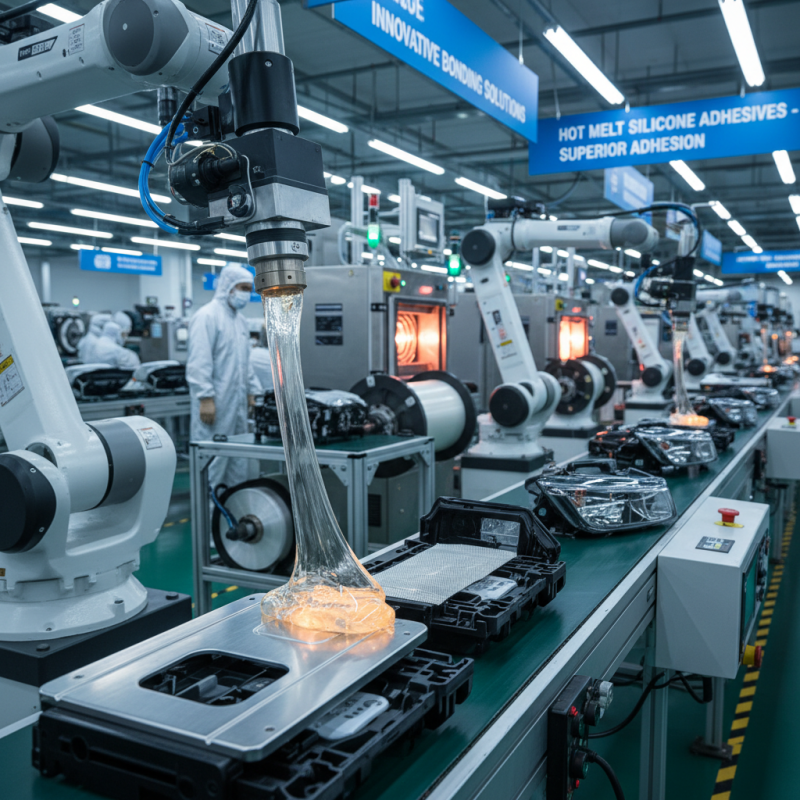
Embracing automated application systems can also boost performance; according to a study by the Adhesives and Sealants Industry, automation can reduce adhesive waste by as much as 30%, adding to overall operational efficiency.
Moreover, hot melt silicone's versatility allows it to bond a wide variety of substrates, ranging from plastics to metals, making it an essential material for diverse manufacturing processes. Industries ranging from automotive to electronics have reported significant operational gains, with some manufacturers noting up to a 40% reduction in assembly times after switching to hot melt silicone solutions. By integrating this innovative adhesive into production lines, manufacturers can achieve not only improved efficiency but also greater product consistency and reduced labor costs.
Environmental Benefits: Eco-Friendly Aspects of Hot Melt Silicone
Hot melt silicone is quickly gaining recognition for its environmental benefits within the manufacturing sector. One of its key eco-friendly aspects is its composition, which often includes less harmful chemicals compared to traditional adhesives. This results in lower volatile organic compound (VOC) emissions during application, contributing to better indoor air quality and a reduced environmental footprint. By using hot melt silicone, manufacturers can align themselves with sustainable practices, fulfilling regulatory and consumer demands for greener production methods.
Additionally, hot melt silicone boasts excellent thermal stability and longevity, which means products made from it can have an extended lifespan. This durability reduces the need for frequent replacements, ultimately leading to less waste being sent to landfills. Moreover, many formulations of hot melt silicone are recyclable, further minimizing their environmental impact. As manufacturing processes evolve to prioritize sustainability, adopting hot melt silicone not only enhances product performance but also supports a commitment to environmental stewardship in an increasingly eco-conscious marketplace.
Key Applications of Hot Melt Silicone in Industries Today
Hot melt silicone is increasingly becoming a preferred choice across various industries due to its versatility and effectiveness. One of the key applications of hot melt silicone is in the automotive sector, where it is used for bonding and sealing components. Its excellent thermal and chemical resistance ensures that automotive parts maintain integrity under extreme conditions. Furthermore, it plays a crucial role in the manufacture of weather strips, interior trims, and electronic assemblies, providing durability and enhancing the overall performance of vehicles.
In the electronics industry, hot melt silicone is essential for potting and encapsulating delicate components. This application protects sensitive electronic parts from moisture, dust, and mechanical stress, significantly extending their lifespan and reliability. Additionally, hot melt silicone is widely used in the medical field for device manufacturing and assembly. Its biocompatibility makes it suitable for applications that require contact with the human body, such as medical devices, tubing, and adhesive bonding for implants. By providing robust solutions across these sectors, hot melt silicone demonstrates its critical role in modern manufacturing processes.
Top 10 Benefits of Hot Melt Silicone for Your Manufacturing Needs
| Benefit | Description | Key Applications |
| Temperature Resistance | Maintains performance in extreme temperatures. | Automotive, Aerospace |
| Chemical Resistance | Resists degradation from various chemicals. | Medical, Food Packaging |
| Flexibility | Provides excellent flexibility without compromising strength. | Electronics, Textiles |
| Adhesion | Strong bonding capabilities to various substrates. | Construction, Automotive |
| Durability | Long-lasting performance in harsh environments. | Industrial Sealing, Protective Coatings |
| Low Viscosity | Easily flows into intricate shapes and designs. | Molding, Casting |
| Environmental Resistance | Withstands moisture, UV light, and other environmental factors. | Outdoor Applications, Marine |
| Non-Toxic | Safe for use in food and medical applications. | Food Processing, Healthcare |
| Fast Curing | Quickly sets, improving production speeds. | Assembly Lines, Manufacturing |
| Versatility | Can be used in a wide range of applications across industries. | Various Industries, General Manufacturing |
FAQS
: Hot melt silicone adhesives offer exceptional adhesion to a variety of substrates, including plastics and metals, along with superior resistance to thermal and environmental stress, making them ideal for applications that require durability.
Hot melt silicone maintains its integrity across a range of temperatures and humid conditions, ensuring consistent performance and minimizing the risk of bond failure during production or in final applications.
The unique formulation of hot melt silicone allows for strong, cohesive bonds that resist peeling and shear forces, critical for maintaining product integrity and performance in industrial settings.
Hot melt silicone typically includes fewer harmful chemicals, resulting in lower VOC emissions, which improves indoor air quality and reduces the environmental footprint of manufacturing processes.
The excellent thermal stability and longevity of products made with hot melt silicone reduce the need for frequent replacements, leading to less waste in landfills and supporting eco-friendly practices.
Yes, many formulations of hot melt silicone are recyclable, which further minimizes their environmental impact and supports sustainable manufacturing practices.
Conclusion
Hot Melt Silicone is an innovative adhesive solution widely utilized in manufacturing due to its unique properties and benefits. Comprising a blend of silicone rubber and thermoplastic materials, it offers exceptional versatility across various production processes. Its enhanced bonding capabilities surpass traditional adhesives, providing stronger and more reliable connections. Notably, Hot Melt Silicone is cost-effective, streamlining production lines and reducing overall expenses.
In addition to financial advantages, Hot Melt Silicone significantly improves manufacturing efficiency, allowing for faster assembly and production cycles. Environmentally conscious manufacturers will also appreciate its eco-friendly aspects, which contribute to sustainable practices. Key applications in diverse industries highlight its adaptability and effectiveness, making Hot Melt Silicone a preferred choice for modern manufacturing needs.