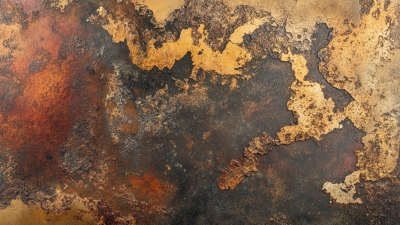
You know, in today’s fast-changing world of interior design, a lot of homeowners are on the lookout for fresh and eco-friendly ways to spruce up their living spaces. One trend that’s really taken off is Faux Painting. It’s such a cool technique that lets you mimic all sorts of textures and materials without breaking the bank or harming the planet like traditional methods can. According to a recent report, the global market for decorative paints—including Faux Painting—is projected to hit a whopping $250 billion by 2026.
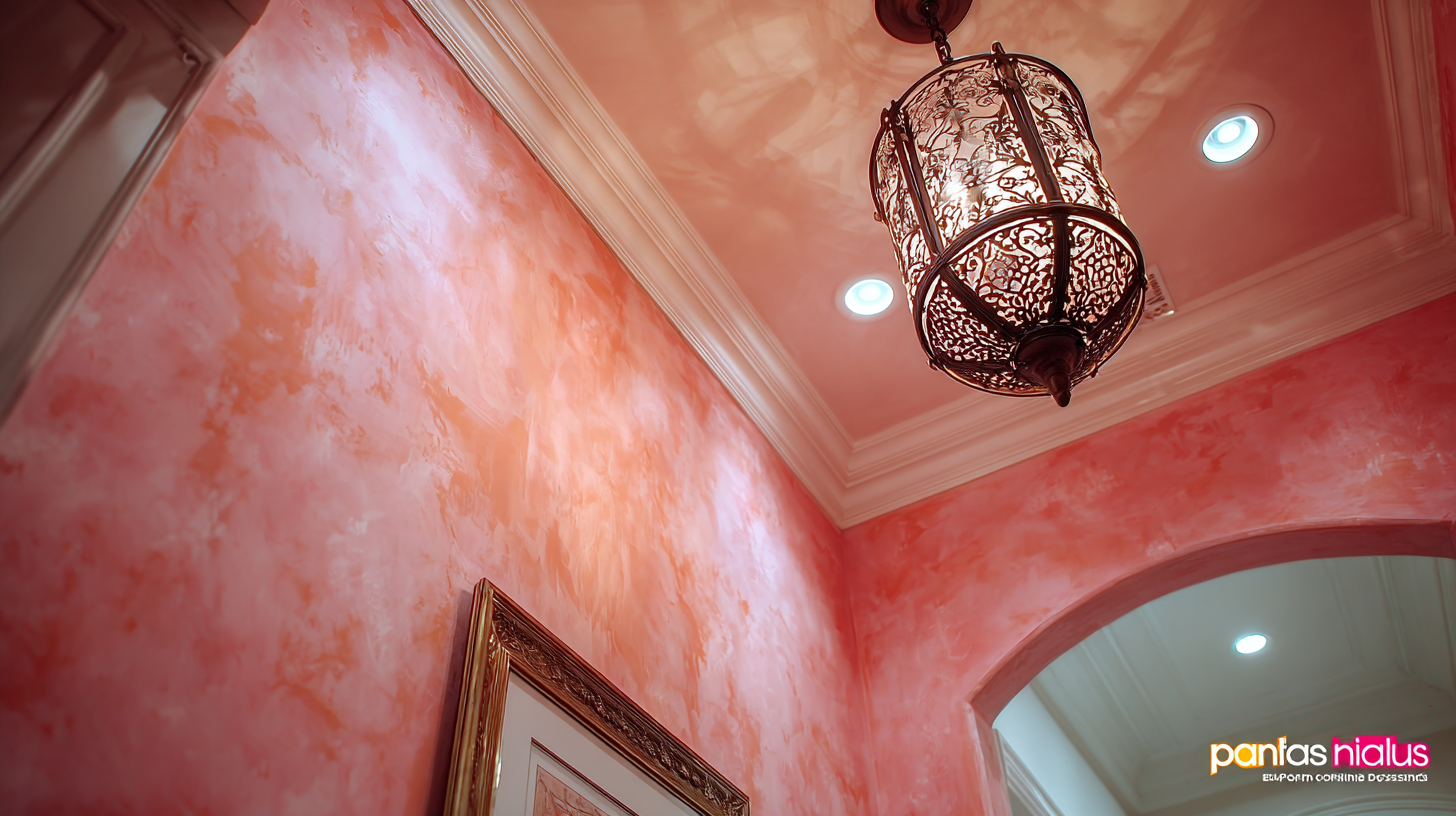
This surge is fueled by people wanting stylish and eco-friendly options in their homes. Here at Sengu (Shandong) New Materials Co., Ltd., we totally get how important it is to mix creativity with sustainability. We're all about crafting safe, environmentally friendly, and durable home decor solutions. Plus, Faux Painting opens the door to a world of design possibilities while fitting perfectly with our goal of providing top-notch materials that cater to today’s discerning consumers.
The Cost-Effective Alternative: Faux Painting vs. Traditional Techniques
You know, faux painting has really become a go-to for folks looking to jazz up their interiors without spending a fortune. I mean, when you think about all those expensive materials like stone veneer or genuine wood finishes, it’s no wonder faux painting has gained so much popularity! It lets people create jaw-dropping visuals on a budget, which is pretty fantastic. Designers can use all kinds of techniques and tools to mimic those high-end looks, but without the scary price tag. So, if you’re trying to elevate your home’s vibe without emptying your wallet, faux finishes are definitely worth considering.

Now, if you’re thinking about diving into faux painting, there are a couple of handy tips you might want to keep in mind. First off, pick the right type of paint; going for high-quality latex or acrylic usually gets you the best results. And trust me, before you commit to painting an entire room, practice on a small patch first. It's such a game-changer—it helps you nail down the technique and figure out what you really want the final look to be. Oh, and don’t shy away from mixing colors! Creating custom shades that fit your style perfectly can really tie everything together.
The coolest part about faux painting? You can totally turn your everyday spaces into stunning showcases of art! It’s super versatile, fitting everything from cozy rustic looks to sleek modern designs. Plus, you can add all sorts of textures and depth, and still keep things budget-friendly. So, feel free to play around with different techniques; you might just come up with something completely unique!
Transforming Spaces: How Faux Painting Enhances Interior Aesthetics
You know, faux painting techniques have really become a staple in modern interior design. They offer such a cool and creative way to change up spaces and boost how they look. With this method, homeowners can play around with textures, colors, and patterns—turning boring walls into eye-catching features. Lately, faux painting seems to go hand-in-hand with the trend of using natural materials; it gives that organic vibe without all the fuss and expense that real materials usually bring. It's pretty amazing how these faux finishes can mimic everything from sleek marble to warm wood grain, really enhancing any room’s atmosphere.
Plus, as more folks are looking to make their spaces feel more personalized, faux painting really opens the door for self-expression in design. There was even a study that said around 60% of homeowners want unique decor that showcases their personal style. So, if you’re after an aesthetic that feels inviting and inspiring, incorporating some faux painting into your home can be a fantastic way to let your creativity shine. With the interior design world always changing, faux painting is definitely a top pick for anyone wanting to create some standout, imaginative spaces.
Durability and Maintenance: The Long-Lasting Benefits of Faux Finishes
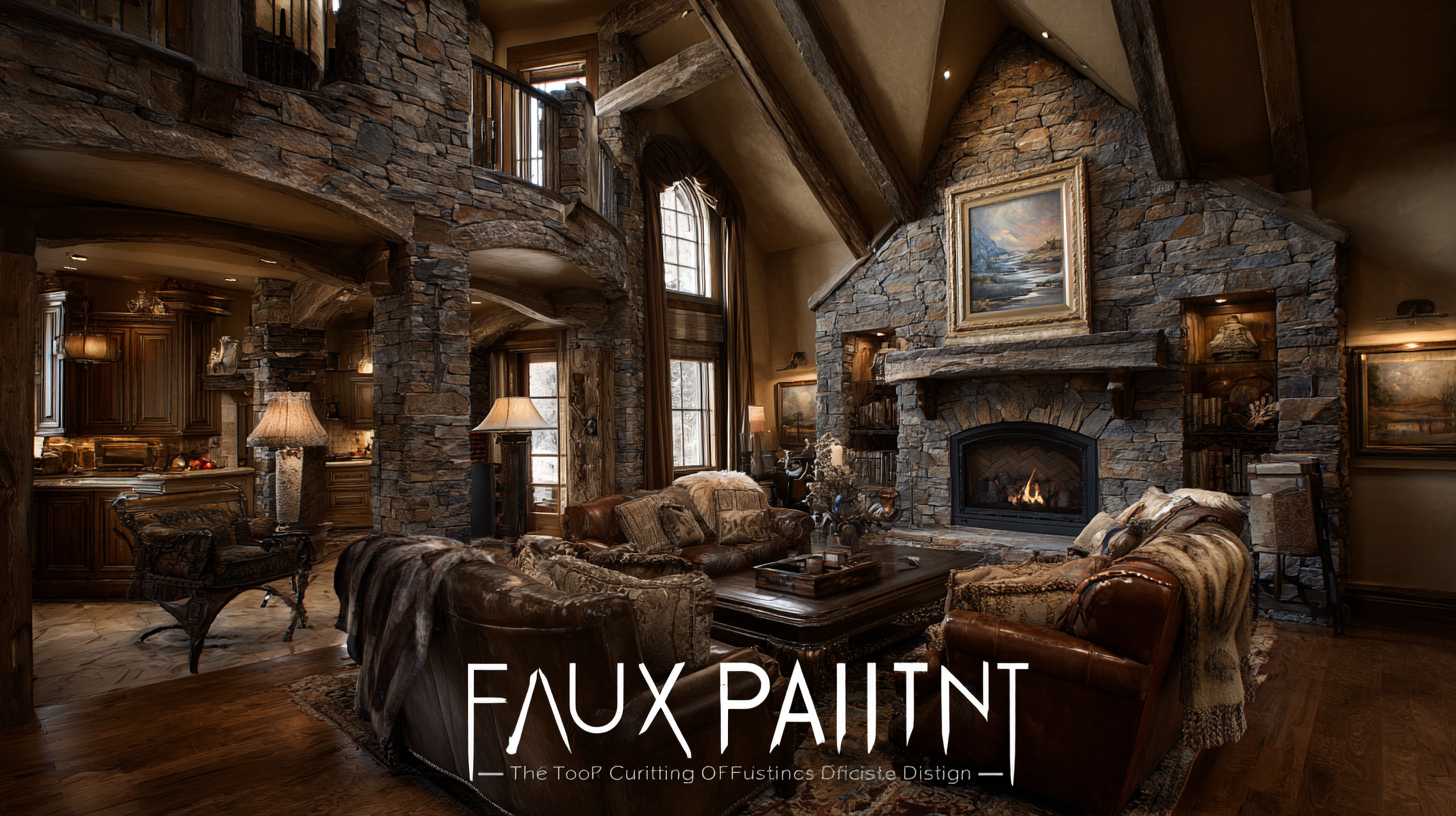
You know, faux painting has really started to catch on as a super durable and low-key option for sprucing up interiors. I came across this report from the American Coatings Association that said when you apply faux finishes right, they can actually make a surface last up to 10 years longer than your typical paint job! That's pretty impressive, right? The secret sauce is in the materials; those high-quality faux finishes are built to handle moisture, fading, and all those pesky environmental things that can ruin a wall. So, they’re perfect for those high-traffic spots in homes or even busy commercial spaces.
And here’s the kicker: maintaining faux finishes? It’s a breeze compared to standard paints. The National Paints and Coatings Association mentions that you really only need to give faux finishes a clean every few years, while regular paints require a touch-up every 3 to 5 years just because of all the wear and tear. So, not only does that save you time, but it also keeps your wallet happy since you won’t be repainting all the time. Oh, and let’s not forget, a lot of these faux finishes are washable and stain-resistant, so they’re incredibly practical—especially in kitchens or kids' rooms! All in all, the blend of good looks and lasting durability makes faux painting a go-to choice for creative interior designers.
Versatility in Design: Adapting Faux Techniques to Any Style
You know, when we talk about interior design, faux painting really shines because of how flexible it can be. A report from the National Kitchen & Bath Association back in 2021 mentioned that over 60% of designers are using faux techniques to hit those unique aesthetic goals. It's pretty cool how faux painting can fit into so many styles, whether you’re going for that cozy farmhouse vibe or something sleek and modern. Like, a textured faux wall can make a traditional space feel super warm and inviting, while a shiny metallic finish can give a contemporary room that extra touch of sophistication.
And here's the thing – part of what makes faux finishes so appealing is how customizable they are. According to the Painting and Decorating Contractors of America, about 78% of homeowners prefer custom options for their interiors. That just shows how much folks want their spaces to really reflect their personality, right? Whether you're looking to create the look of marble, that rustic aged plaster, or even detailed wood grains, faux painting can be adjusted to fit exactly what you're dreaming of. This kind of flexibility not only boosts the overall design but also gives designers the freedom to experiment, pushing the limits of traditional decor while still keeping various client tastes in mind.
What Makes Best Faux Painting the Top Choice for Creative Interior Design - Versatility in Design: Adapting Faux Techniques to Any Style
| Design Style | Faux Technique | Color Palette | Material Compatibility | Common Applications |
| Modern | Metallic Glaze | Silver, Gray, White | Wood, Plaster | Accent Walls, Ceilings |
| Rustic | Wood Grain | Brown, Beige, Green | Wood, Brick | Cabins, Living Rooms |
| Traditional | Limestone Effect | Cream, Earth Tones | Plaster, Drywall | Dining Rooms, Libraries |
| Contemporary | Color Wash | Bold Colors, Black | Plaster, Canvas | Art Studios, Offices |
| Eclectic | Stenciling | Multicolor, Patterned | Wood, Fabric | Accent Pieces, Crafts Rooms |
Sustainability Matters: Eco-Friendly Aspects of Faux Painting
You know, faux painting has really become a favorite for people who want to spruce up their interiors in a sustainable way. The coolest thing about faux painting is how versatile it is—like, it can imitate those pricey materials such as marble or wood, but without leaving a huge footprint on the planet. Traditional materials? They usually take a lot of resources to produce and can lead to deforestation or mining damage. Faux techniques, on the other hand, just use paint and texture to achieve that same fancy look! So, when homeowners go for faux painting, they can create that luxe vibe without running down the Earth’s natural resources.
Plus, a lot of faux painting products these days are coming out with low or even zero VOC (volatile organic compounds) options. And that’s super important because VOCs can mess with indoor air quality and pose some health risks. More and more eco-conscious folks are on the hunt for paints that not only make their spaces beautiful but also keep things healthy at home. Faux painting really opens up a world of creativity while still keeping sustainability at the forefront, making it a perfect pick for anyone who’s into eco-friendly design. With the right techniques, you can totally transform your space in a beautiful and responsible way, showing off a love for both style and Mother Earth.
Consumer Preferences: Trends and Insights in Faux Painting Demand
You know, these days, people really seem to be leaning towards more personalized and creative touches in their home interiors. Faux painting is quickly becoming a go-to option for homeowners who want something unique and special in their spaces. Just look at the faux painting market! It's booming—especially in places like India, where the paints and coatings scene is expected to grow from around USD 15.78 billion in 2024 to a jaw-dropping USD 27.93 billion by 2030. This definitely shows that folks are not just spending more but also really craving that customized home vibe that showcases their personal style and flair.
And get this: there’s a noticeable shift towards eco-friendly and sustainable products when it comes to interior design. With companies like Sengu (Shandong) New Materials Co., Ltd. taking the lead in creating safe and durable decor options, the faux painting game is quickly adapting to what consumers really care about. As technology keeps advancing, faux painting techniques are becoming so much more versatile and easy to use. It’s pretty cool that both designers and homeowners can now whip up spaces that not only look incredibly stylish but also support environmentally friendly practices in the home decor world.