China’s stone coating market has really gone beyond just sprucing up building exteriors. Nowadays, a lot of manufacturers are offering Stone Texture Wall Paint that’s perfect for villas, hotels, retail facades, and even indoor feature walls. In this guide, I’ll walk you through ten suppliers based in China, focusing on practical points like quality and reliability — not just flashy catalog claims.
When evaluating these suppliers, I look at their factory experience, how consistent their products are, the kind of tech support they provide, and whether they’re reliable exporters. Good evidence includes things like sample panels, batch records, lab test reports, and clear instructions on how to apply the paint. A serious supplier should be able to walk you through things like prepping the surface, primer compatibility, drying times, coverage, and how well it handles weather conditions. These details really matter — especially when you want a textured finish that can stand up to harsh sunlight, humidity, or regular cleaning.
Plus, checking out real projects gives you even more insight. For example, some suppliers create rich granite-like textures, while others prefer a smoother sandstone look. Some are happy to customize colors and offer private branding, whereas others focus on stable, standard products with faster delivery times. It’s worth thinking about what trade-offs matter most to you.
And honestly, no supplier is perfect. Prices can go up or down depending on raw material costs. Also, samples from a supplier might look great but might not perfectly match what gets produced in larger batches. So, always ask for recent samples and get all specs in writing before you decide. If you’re working on a big façade project, independent inspections can be a real blessing — it definitely boosts your confidence.
Just a heads-up: I don’t think a company’s age automatically means they’re better quality. What counts more are detailed manufacturing records, quick and helpful communication, and proven performance. Of course, you should still check for certifications, local standards compliance, packaging quality, and after-sales support specific to your market.
The ten suppliers I’ve listed are useful options to compare. They’re not necessarily the absolute best — but they’re good starting points for your research. Remember, it’s all about finding the right fit for your project, and that’s why I emphasize careful comparison over taking anything as gospel.
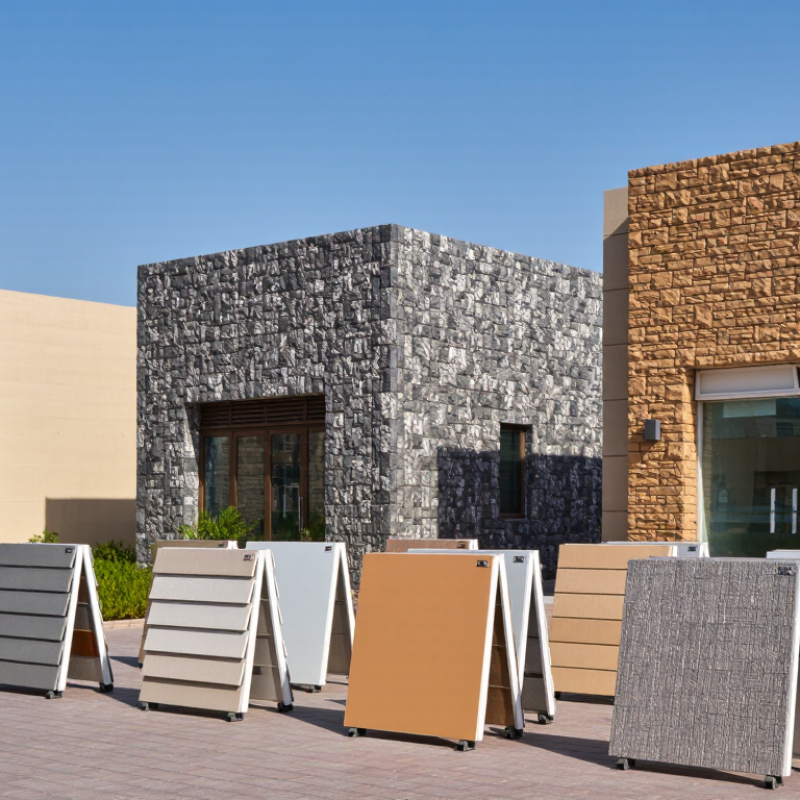
Stone Texture Wall Paint is a decorative coating designed to imitate the appearance of natural stone. It usually combines a water-based binder with colored mineral particles, fine sand, or textured aggregates. These materials create depth, shade variation, and a rough surface after application.
Unlike ordinary smooth wall paint, this coating can hide minor surface unevenness and create a more architectural finish. Applicators may spray, roll, or trowel it, depending on the desired texture. A stable substrate is essential. Dust, moisture, cracks, and weak plaster can cause peeling or uneven color. On exterior walls, the coating also needs resistance to rain, sunlight, temperature changes, and alkaline substrates.
In practical projects, I have found that sample boards are more reliable than color charts. Texture changes under different lighting. A gray finish may look cool in a showroom but warmer outdoors. Coverage also depends on aggregate size and application thickness, so supplier estimates should be checked against a small test area. This step is often skipped, and the result can be disappointing.
Quality should be evaluated through technical data, batch consistency, adhesion testing, and clear application guidance. Ask about drying time, maintenance, and recommended primers. A low price may reflect thinner coverage or weaker durability. Stone texture wall paint can be attractive and practical, but it still requires careful surface preparation and skilled application.
Chinese stone texture wall paint suppliers attract buyers through flexible production, broad material choices, and competitive pricing. Many factories can develop finishes that resemble granite, sandstone, travertine, or weathered concrete. Their technical teams often adjust grain size, color depth, viscosity, and drying speed for different climates. This matters when a project requires both visual consistency and practical application.
Samples should guide every decision. A reliable supplier can provide test panels, technical data, batch records, and clear application instructions. Buyers can compare adhesion, coverage, water resistance, texture stability, and color changes under different lighting. Factory audits and third-party inspections add confidence. So does direct communication with production staff. These steps reveal whether the supplier understands real construction conditions, not only showroom appearance.
Cost is useful, but it can mislead. A low quotation may exclude packaging, testing, replacement stock, or shipping risks. Some textures may also appear richer on a sample than on a large wall. That needs checking. Chinese suppliers can offer strong customization and export experience, yet quality varies between factories. Ask about raw material control, inspection frequency, worker training, and complaint handling. A careful supplier will accept reasonable questions and document its answers. The best choice is not always the cheapest one. It is the supplier that delivers stable texture, honest specifications, and responsive support throughout the project.
Choosing among China’s top ten stone texture wall paint suppliers requires more than comparing catalog photos. Inspect a wet sample, a cured panel, and one untouched batch. The surface should show consistent grain, controlled color variation, and no powdering after rubbing. Ask for technical data, batch records, adhesion results, and accelerated weathering evidence. ASTM D3359 and ISO 11890-2 offer useful references for adhesion and volatile organic compound testing.
Market scale matters, but quality control matters more. Grand View Research valued the global paints and coatings market at approximately USD 206.56 billion in 2022, with continued growth forecast through 2030. That growth attracts capable manufacturers and rushed imitators. A supplier supporting Paint Fake Stone Wall projects should explain aggregate size, resin type, recommended thickness, drying time, and repair procedures. Request a small trial order before approving a container. It may expose uneven texture or color drift.
Delivery reliability also deserves measurable review. The World Bank’s 2023 Logistics Performance Index assessed 139 economies using customs, infrastructure, shipment quality, tracking, and timeliness. Compare a supplier’s quoted lead time with shipping records, not promises. Check packaging: sealed pails, moisture protection, readable labels, and spare batch numbers. I would also question unusually low prices. They may reflect weaker binders, less aggregate, or limited testing. A polished showroom sample can mislead. Supplier evaluation is never perfectly objective. Document every assumption.
Recommended evaluation criteria and weighting for comparing suppliers without relying on company or brand names.
Product quality and durability receive the highest weighting because stone texture wall paint must provide consistent texture, strong adhesion, weather resistance, and long-term color stability. Compliance, production capability, customization, delivery performance, and total cost should be assessed together when creating a shortlist of the top 10 suppliers.
China’s stone texture wall paint market includes many capable manufacturers, but quality varies between suppliers. This guide examines ten Chinese suppliers selected for product consistency, technical support, export experience, and transparent documentation. The shortlist focuses on manufacturers offering Faux Stone Wall Paint for villas, hotels, retail spaces, and interior feature walls.
A reliable supplier should provide technical data sheets, sample panels, color cards, and batch information. Ask about coating thickness, drying time, adhesion, weather resistance, and cleaning performance. In practical projects, texture often looks different under warm lighting. Sample testing is essential. I once underestimated this detail, and the installed finish appeared darker than expected. That mistake still deserves attention.
Tips: Request samples from all ten suppliers. Apply them to cement board before comparing results. Check texture under natural and artificial light. Confirm packaging details, shelf life, and container protection. Discuss minimum order quantities and replacement procedures before payment. Suppliers with clear answers usually show stronger production control. Still, do not rely only on polished catalogs. Factory videos can be useful, but independent test reports and customer references provide better evidence. A small trial order may reveal uneven granules, weak color matching, or slow technical responses. These problems are inconvenient, yet they are easier to manage before a large construction schedule begins.
China’s top stone texture wall paint suppliers often compete through finish quality and customization, not price alone. Stone Paint can imitate granite, sandstone, or a softly weathered limestone surface. Its texture depends on aggregate size, spray pressure, and application thickness. Fine particles create a calm indoor finish. Larger grains produce stronger shadows on exterior walls. A reliable supplier should provide adhesion data, weathering tests, and clear drying times. Ask for sample panels, not only digital color charts.
Customization may include color blending, particle size, gloss level, texture depth, and packaging volume. Some suppliers can match a reference stone, but lighting changes the result. Request samples under daylight and warm indoor light. Check the substrate carefully. Concrete, cement board, and old painted walls need different primers.
Low-VOC formulas may suit residential interiors, while exterior projects need stronger water and UV resistance. Batch consistency matters.
Tips: Test one square meter before ordering. Touch the dried surface. Check edge coverage and repair visibility. Record the primer, dilution, nozzle, and drying conditions. Small details prevent expensive rework. Still, customization is not always perfect. A requested stone pattern may look attractive on a sample but feel too busy across a large façade. Discuss a scaled mock-up with the supplier, and keep an approved control panel for production checks.
Choosing China’s top ten stone texture wall paint suppliers requires more than comparing catalog photos. Quality should begin with batch control, not marketing language. Ask for ISO 9001 records, test reports, and a retained sample from the production lot.
For Faux Stone Paint, useful checks include adhesion, scrub resistance, water absorption, color consistency, and weathering performance. EN 1062-1 and ASTM testing methods can support these evaluations.
Grand View Research valued the global paints and coatings market at about USD 206.6 billion in 2022, showing why documentation and process control matter in a crowded supply chain.
Pricing depends on resin type, mineral fillers, texture density, packaging, and order volume. In practical sourcing, similar products may differ by 15% to 30% after freight, custom packaging, and inspection fees. Cheap quotations can hide thinner coverage.
Request the price per square meter, not only per kilogram. A 20-kilogram pail may cover 12 to 18 square meters, depending on wall porosity and application thickness. Test this yourself.
Export service is equally important. Reliable suppliers should provide English technical data sheets, safety documents, pallet dimensions, loading photos, and clear lead times.
The International Trade Centre reports that transport and logistics costs remain major barriers for small exporters, so transparent freight terms deserve attention. I would not trust a supplier based on certificates alone.
A compliant sample can still differ from mass production. Independent inspection before shipment is a sensible, imperfect safeguard.
It is a decorative coating that imitates natural stone. It usually contains a water-based binder, mineral particles, sand, or textured aggregates. It is not solid stone.
It suits villas, hotels, retail spaces, and interior feature walls. Exterior use requires resistance to rain, sunlight, temperature changes, and alkaline surfaces. Interior walls need suitable ventilation during drying.
The wall should be stable, clean, dry, and free from dust. Repair cracks and remove weak plaster before application. Moisture can cause peeling and uneven color.
Applicators may spray, roll, or trowel the coating. The method depends on the intended texture and aggregate size. Application thickness affects coverage and appearance.
Request technical data sheets, sample panels, color cards, and batch information. Ask about adhesion, drying time, weather resistance, cleaning performance, and recommended primers. Clear answers usually suggest stronger production control.
Texture changes under warm, cool, natural, and artificial lighting. A gray finish may look warmer outdoors than inside a showroom. Apply samples to cement board.
Compare the price per square meter, not only the price per kilogram. A 20-kilogram pail may cover 12 to 18 square meters. Porosity and coating thickness can change the result.
Request English technical documents, safety information, pallet dimensions, loading photos, and clear lead times. Confirm packaging, shelf life, container protection, and replacement procedures. Freight terms should be written clearly.
No. Certificates alone may not reflect mass-production consistency. Check batch records, retained samples, independent test reports, and customer references. A small trial order can reveal uneven granules or weak color matching.
Do not rely only on polished catalogs or supplier estimates. Test actual coverage and inspect color under different lighting. I once underestimated lighting, and the installed finish looked too dark. That mistake still deserves attention.
This guide introduces Stone Texture Wall Paint, a decorative coating designed to create the visual depth and natural appearance of stone while offering practical benefits such as durability, easy maintenance, and flexible application. It explains why Chinese suppliers are attractive choices, including their broad manufacturing capabilities, competitive pricing, responsive customization services, and experience with international orders. Readers will also learn how to evaluate leading suppliers by examining product consistency, raw material control, production capacity, certifications, technical support, and customer service.
The article presents a structured overview of the top 10 Chinese suppliers without focusing on brand promotion. It compares product features, texture styles, color options, packaging, and customization possibilities for residential, commercial, and exterior projects. In addition, it discusses quality standards, sample testing, pricing factors, minimum order quantities, lead times, export documentation, and delivery support, helping buyers make informed decisions and select a reliable supplier for their specific project requirements.