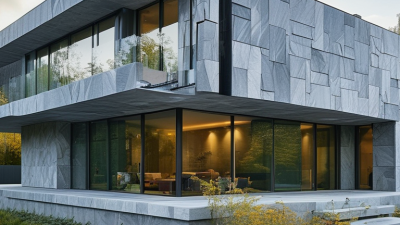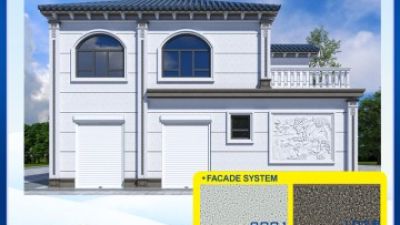
Buyers around the world aren’t just picking Faux Stone by looks alone. They care about color that holds up, texture that feels believable, panels that are easier to handle, and installation support they can count on. Grand View Research expects the global manufactured stone veneer market to keep growing steadily through 2030. Allied Market Research also points to continued growth in the wider artificial stone market. But here’s the catch: those reports don’t use the same product definitions, so comparing them head-to-head is never going to be perfect.
This guide looks at ten established manufacturers, including Eldorado Stone, Cultured Stone, ProVia, Coronado Stone, Versetta Stone, GenStone, NextStone, Texture Plus, StoneCraft, and Canyon Stone Canada. Their products differ in all sorts of ways—mold detail, pigment depth, panel design, weight, warranty coverage, and where they’re available. Honestly, a wall sample can tell you more than a glossy catalog. Pay attention to corner pieces, joint patterns, drainage details, and how the color shifts in natural light.
Building-science expert John Straube defines durability as “the ability of a building or any of its components to perform its required functions in its service environment over a period of time.” That idea matters here. Faux Stone isn’t just a pretty finish. It’s part of a wall system, and bad detailing can drag down even a good product. Manufacturer claims still need to be checked against actual project conditions, local standards, and the installer’s experience. A ranking can help guide your research, but it can’t replace real testing. And the uncomfortable truth? The most attractive stone may not be the right choice for every climate, budget, or façade. Some comparisons stay incomplete. It’s worth admitting that before you make a global purchasing decision.
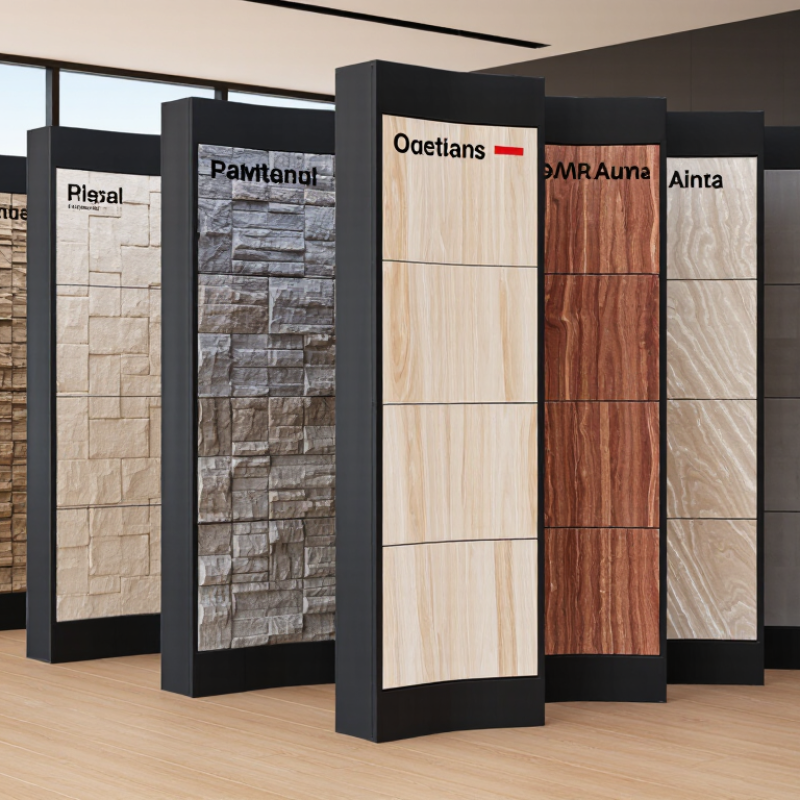
Faux stone is a manufactured surface designed to imitate natural rock, brick, marble, or concrete. It may use cement, mineral fillers, resin, polyurethane, or textured coatings such as Faux Stone Paint. Production methods create lighter panels, repeatable colors, and controlled surface patterns. Some products are molded; others are sprayed or hand-finished.
The global artificial marble market was valued at about USD 18 billion in 2023, according to Grand View Research. Its forecast indicates strong growth through 2030. This demand reflects faster renovation schedules and pressure to control material costs. Chinese manufacturers attract global buyers through broad supplier networks, flexible tooling, and competitive container-scale production. Buyers can often request custom thickness, fire ratings, textures, packaging, and private specifications from one production base.
The advantages need careful checking. Not every factory delivers stable color or accurate stone texture. Ask for batch samples, test reports, and production photos before ordering. ASTM C1670 and relevant EN standards can help evaluate manufactured stone performance, but suitability depends on climate and installation. Moisture, ultraviolet exposure, and impact resistance deserve practical testing. I have seen attractive samples fail when edge sealing was ignored. That detail is easy to miss. Buyers should also verify factory quality systems, inspection records, packaging strength, and replacement terms. Reported market growth is useful, but it does not guarantee every supplier’s reliability.
China’s faux stone industry has moved from small, mold-based workshops toward more controlled, export-oriented production. The shift followed rapid construction growth. China’s National Bureau of Statistics reported construction output of about RMB 31.6 trillion in 2023. That demand encouraged factories to improve consistency, surface design, and delivery capacity.
The change is visible on production floors. Computer-designed molds now reproduce brick edges, slate layers, and uneven limestone pores. Automated spraying also reduces color differences between panels. Some manufacturers use recycled mineral fillers, although material quality still varies between suppliers. Grand View Research estimated the global artificial stone market at roughly USD 5.3 billion in 2023, with continued growth expected through 2030. China’s manufacturers are responding with thinner panels, lighter backing systems, and more weather-resistant coatings.
Quality control is more practical today. Export buyers commonly request water absorption results, dimensional checks, freeze-thaw testing, and batch color samples. A Stone Faux Finish may look convincing under a showroom lamp but fail under direct rain or strong sunlight. That gap needs attention. Production has improved, yet smaller factories may still depend on manual pigment adjustments. Buyers should inspect recent samples, verify test records, and compare factory tolerances before placing volume orders. Experience matters. So does careful doubt.
How China’s Faux Stone Manufacturing Industry Has Developed
| No. | Anonymous Manufacturer Profile | Main Production Region | Primary Faux Stone Categories | Typical Material System | Common Applications | Export & Customization Capability | Typical Quality Documentation | Industry Development Significance |
|---|---|---|---|---|---|---|---|---|
| 01 | Profile A | Guangdong | PU stone panels Brick-effect panels | Polyurethane foam with a textured surface coating | Interior feature walls, retail stores, restaurants and hospitality projects | Strong OEM and private-label capability; custom textures, colors, panel sizes and packaging are commonly available | Product specification sheets, batch inspection records and fire-test reports where required | Represents the shift from decorative hand-finished products to lightweight, repeatable molded panels |
| 02 | Profile B | Zhejiang | Cement cultured stone Thin stone veneer | Portland-cement-based aggregate with mineral pigments | Residential façades, garden walls, fireplaces and commercial exteriors | Suitable for container exports; project-based color matching and mold development are widely used | Material declarations, dimensional inspection records and water-absorption test data | Shows the industry's move toward standardized concrete formulas and controlled color production |
| 03 | Profile C | Fujian | GRC stone panels Architectural cladding | Glass-fiber-reinforced cement with mineral aggregate finishes | Large façades, landscape structures, columns and decorative architectural elements | Engineering-oriented production with drawing review, sample approval and project scheduling | Technical drawings, structural data, test reports and installation guidance | Reflects the industry's development from small decorative items to larger architectural systems |
| 04 | Profile D | Shandong | EPS decorative stone Insulated wall details | Expanded polystyrene core with polymer-modified protective coating | Exterior trim, insulation systems, window surrounds and lightweight façade decoration | Low-weight shipping advantage; custom profiles and cut-to-drawing services are commonly offered | Density records, coating specifications and project installation instructions | Demonstrates the integration of faux stone decoration with lightweight building-envelope solutions |
| 05 | Profile E | Hebei | Lightweight concrete panels Rustic stone veneer | Lightweight cement matrix using mineral aggregates and iron-oxide pigments | Exterior walls, boundary walls, villas and landscaping projects | Focused on repeat orders, palletized packing and standard product series for distributors | Product catalogs, compressive-strength data and packaging inspection records | Highlights the expansion of standardized product ranges for wholesalers and building-material retailers |
| 06 | Profile F | Anhui | Cast stone ornaments Garden stone products | Cast cement, mineral aggregate and weather-resistant surface treatments | Gardens, parks, courtyards, fountains and outdoor decorative structures | Commonly supports mold customization, antique finishes and mixed-SKU export orders | Color samples, product drawings and outdoor-use maintenance guidance | Represents the long-standing craft base that supports China's decorative landscape-stone sector |
| 07 | Profile G | Jiangsu | Fiber-cement stone boards Textured wall panels | Fiber-reinforced cement board with printed or embossed stone textures | Interior walls, ventilated façades, modular buildings and renovation projects | Suitable for specification-driven projects; cutting, surface design and carton labeling can be customized | Technical data sheets, dimensional tolerances and relevant fire-performance documentation | Shows the industry's transition toward panelized construction and faster installation methods |
| 08 | Profile H | Zhejiang | Flexible stone sheets Thin decorative veneers | Resin or mineral composite layers reinforced with flexible backing | Curved columns, interior walls, furniture surfaces and renovation work | Small-to-medium order flexibility; digital color references and roll or sheet packaging are available | Thickness records, surface-finish samples and adhesive recommendations | Illustrates product diversification beyond traditional rigid cement-based faux stone |
| 09 | Profile I | Guangdong | Interior 3D wall panels PU decorative cladding | High-density polyurethane with molded stone, slate or brick patterns | Hotels, cinemas, themed spaces, showrooms and residential interiors | Fast sample development, private-label packaging and coordinated accessory supply are common | Surface-finish samples, installation manuals and project-specific fire documentation | Reflects the influence of interior-design demand on faster, lighter and more realistic faux stone products |
| 10 | Profile J | Sichuan and Chongqing | Artificial rockwork Theme-park stone systems | Steel or concrete structure with mortar, GFRC or sculpted surface layers | Theme parks, zoos, resorts, commercial landscapes and entertainment venues | Project-based production with on-site modeling, installation coordination and custom engineering | Shop drawings, method statements, material samples and project acceptance records | Demonstrates the industry's evolution from individual products to complete themed-environment solutions |
Selecting the top faux stone manufacturers requires more than comparing catalog photos. Global buyers should examine production experience, material knowledge, and quality controls. Request recent samples, not only showroom pieces. Check whether the surface texture, color depth, and Faux Stone Finish remain consistent across batches. A reliable manufacturer should explain its resin, cement, mineral, or composite formulation clearly. Vague answers deserve caution.
Factory capacity also matters. Review machinery, molding methods, curing conditions, and inspection records. Ask for test data covering water absorption, UV exposure, impact resistance, and freeze-thaw performance when relevant. Export experience can reveal practical reliability, including packaging strength, labeling accuracy, and document control. Verify certifications independently where possible. A polished sample can still hide weak production discipline. I have seen attractive panels arrive with chipped corners and uneven backing, so packaging trials should not be ignored.
Tips: Compare three samples from separate production runs. Measure thickness with a caliper. Inspect the rear surface for voids, warping, and poor adhesion. Ask for a small pilot order before a large commitment. Confirm lead times in writing, including replacement procedures for damaged goods. Cost remains important, but the lowest quotation may reflect thinner materials, weaker testing, or limited after-sales support. Leave room for questions. A rushed decision can become an expensive lesson.
China’s Top 10 Faux Stone Manufacturers for International Buyers
China’s faux stone sector serves residential, hospitality, and commercial projects worldwide. Mordor Intelligence estimates the global artificial stone market at about USD 22.8 billion in 2024, with projected growth to USD 30.8 billion by 2029. Definitions vary across reports, though. Some include engineered quartz, while others focus on decorative wall panels and manufactured veneer.
This guide evaluates ten Chinese manufacturers through export experience, material consistency, mold capacity, and project support. A serious factory should provide batch samples, technical data sheets, and clear inspection records. Buyers can request water absorption, flexural strength, density, and fire-performance results. ASTM C1670 or equivalent testing may help when purchasing architectural cast products. ISO 9001 certification supports process control, but it does not prove every shipment is excellent.
Look closely at production details. Does the surface texture remain consistent across twenty cartons? Are corner pieces packed separately? Can the supplier match a replacement batch six months later? These practical questions matter more than polished showroom photographs. Many factories offer custom colors, lightweight panels, and large-format molds. Yet “custom” can mean a costly prototype and a long approval cycle. Freight damage is another overlooked risk, especially with thin panels and fragile edges. Buyers should confirm pallet design, moisture protection, container loading, and inspection responsibility before payment. A factory may appear highly capable, but one untested assumption can still delay an entire installation.
Global buyers often compare faux stone suppliers by product range, not just catalog size. Experienced manufacturers usually offer lightweight panels, cultured stone blocks, veneer sheets, corner pieces, and decorative trims. Each format suits a different installation method. Thin panels reduce wall load, while molded blocks create deeper shadows around fireplaces and garden walls.
Finishes strongly influence the final appearance. Common options include split-face, brushed, tumbled, honed, and weathered textures. Color may range from warm limestone and sandstone to charcoal slate tones. Reliable suppliers provide physical samples, batch references, and clear measurements. A sample can mislead. Outdoor exposure, lighting, and surface moisture may change how a finish appears. Buyers should test several pieces before approving large production.
Applications include residential facades, interior feature walls, hotels, retail spaces, landscape structures, and commercial entrances. For exterior use, buyers should examine water absorption, freeze-thaw performance, UV stability, and fixing systems. Interior projects need attention to weight, fire-related requirements, cleaning, and edge details. During supplier evaluations, I look for consistent thickness, clean corners, secure packaging, and practical installation guidance. Some catalogs describe unlimited customization, yet small color variations still occur between production batches. That limitation deserves honest discussion before contracts are finalized.
When comparing China’s top 10 faux stone manufacturers, inspect more than showroom samples. Ask for Exterior Faux Stone samples from different production batches. Check color consistency, edge detail, surface texture, and backing strength. A reliable supplier should provide test data for water absorption, UV exposure, and freeze-thaw performance. Factory experience matters, but documented quality control matters more.
Pricing requires a complete calculation. Compare material cost, mold fees, packaging, inspection, shipping, and replacement rates. The lowest quotation may hide thin panels or unstable pigments. Request a sample order before signing a large contract. It exposes production flaws early. I have seen attractive samples lose texture after rough handling. That possibility deserves honest discussion.
Customization can include color matching, panel dimensions, corner pieces, textures, and private packaging. Confirm drawing approval procedures and mold ownership in writing. Production capacity should be measured through monthly output, active lines, curing space, and quality staff. Ask how the factory handles peak-season orders and defective batches. A large facility is not automatically dependable. Smaller plants may offer closer communication, but their lead times can change suddenly. Review recent production records, audit photos, inspection reports, and customer references before making a final comparison.
China’s faux stone sector serves global buyers, but a factory visit remains valuable. A polished showroom can hide inconsistent pigments, weak backing, or uneven panel thickness. An adjacent engineered-stone report by Grand View Research valued that market at about US$25.6 billion in 2023. Demand is growing, yet quality still varies sharply between suppliers.
Request a signed specification before ordering. It should state dimensions, weight, color tolerance, water absorption, compressive strength, packaging, and replacement terms. Ask for samples from three production batches, not one attractive piece. Use an independent inspection before loading. Inspectors should measure thickness, check surface adhesion, photograph pallet labels, and perform carton drop tests. ISO 9001 certification supports process control, but it does not guarantee every shipment. That distinction matters.
Match testing to the destination market. Depending on the application, request reports for ASTM, EN, or local masonry standards, plus fire-performance evidence when required. Verify certificates through the issuing body; scanned documents can be outdated. For shipping, confirm HS classification with a customs professional, then define FOB, CIF, or DDP responsibilities in writing. Moisture-resistant cartons, corner protection, and vertical pallet bracing reduce breakage. Container loading photos help, though they cannot replace inspection. Freight costs remain unpredictable: the World Bank’s Logistics Performance Index shows major differences in customs efficiency and shipment reliability across countries. Build buffer time into the purchase order. My own concern is often the “small” detail—one missing batch code can make a later quality dispute unnecessarily difficult.
These planning benchmarks reflect commonly used stages in international faux stone purchasing from China. Sample preparation and production timelines depend on customization and order volume, while quality control, customs clearance, and ocean freight vary by destination, season, and shipping route. Buyers should confirm the final schedule, inspection scope, product standards, and export documents before placing an order.
China’s rock-imitating Stone Paint has become an attractive solution for architects seeking natural-looking exteriors without the weight, expense, and complex installation of quarried stone. Formulated with mineral aggregates, weather-resistant resins, and color-stable pigments, it can reproduce granite, sandstone, and other textures while supporting flexible application on concrete, masonry, and insulated façades. The UNEP *Global Status Report for Buildings and Construction 2023* states that buildings and construction contributed approximately 37% of global energy- and process-related CO₂ emissions, increasing demand for durable, resource-efficient finishing systems.
When evaluating suppliers and factories in China, buyers should examine raw-material consistency, spray equipment, color-matching procedures, and batch traceability. A professional manufacturer should provide technical data covering adhesion, water resistance, freeze-thaw durability, weathering, and volatile organic compound content. Factory-applied sample panels are especially useful for checking texture depth and color variation under natural light. Independent testing aligned with recognized standards can also reduce risks during large façade projects.
Compared with natural stone cladding, stone-effect paint generally requires less structural support and can reduce transportation and labor demands. Industry analyses from Grand View Research identify architectural coatings as a steadily expanding construction-material category, supported by renovation activity and demand for protective decorative finishes. For overseas projects, suppliers with export packaging, multilingual documentation, and documented quality-control stages can offer more reliable delivery, while customized aggregate size and color formulations help achieve a convincing, regionally appropriate stone appearance.
It has shifted from small mold-based workshops to more controlled, export-focused production. Demand from rapid construction growth helped drive this change.
Computer-designed molds reproduce brick edges, slate layers, and limestone pores. Automated spraying helps reduce color differences between panels. Results still vary.
Some manufacturers use recycled mineral fillers with other components. Material quality differs between suppliers, so buyers should request clear specifications.
Common formats include lightweight panels, cultured stone blocks, veneer sheets, corner pieces, and decorative trims. Each format supports different installation needs.
Popular finishes include split-face, brushed, tumbled, honed, and weathered textures. Colors may include warm limestone, sandstone, and charcoal slate tones.
Request physical samples, dimensional checks, water absorption results, and recent batch records. Compare factory tolerances carefully. Do not rely only on catalog images.
Not always. Strong sunlight, rain, moisture, and temperature changes can alter appearance or performance. A sample may look convincing, then disappoint outdoors.
Applications include residential facades, interior feature walls, hotels, retail spaces, garden structures, and commercial entrances. Product weight and fixing methods remain important.
Small color variations, inconsistent thickness, rough corners, and manual pigment adjustments may occur. Some catalogs promise unlimited customization. That promise deserves careful questioning.
Check water absorption, freeze-thaw performance, UV stability, packaging, and fixing systems. Recent test records are more useful than broad marketing claims.
This guide introduces Faux Stone as a practical alternative to natural stone, offering a balance of visual appeal, durability, lighter weight, and cost efficiency. It explains why global buyers increasingly source from China, where improved production technology, established supply chains, skilled labor, and expanding export experience support a wide range of international projects. The article also outlines how China’s Faux Stone industry has developed and presents a structured approach for identifying leading manufacturers without relying solely on price or product appearance.
Readers will learn how to evaluate suppliers according to material quality, surface finishes, product variety, customization capabilities, production capacity, pricing, and consistency. It also reviews common applications, including exterior walls, interior decoration, landscaping, and commercial construction. Finally, the guide summarizes practical considerations for ordering from China, such as sample approval, factory communication, quality inspections, packaging, certifications, lead times, and international shipping. These recommendations help buyers reduce sourcing risks and select a reliable partner for long-term projects.