Lately, Colored Stone Metal Tile has really been gaining popularity in home makeovers. It’s become a favorite for folks wanting something that looks great and lasts a long time. I read somewhere — the National Association of Home Builders mentioned that decorative tiles are actually one of the top picks for inside homes. In fact, almost 60% of homeowners are all about choosing materials that not only look beautiful but also stand the test of time. What’s cool about Colored Stone Metal Tile is how versatile it is—you can use it in so many spots, like behind your sink in the kitchen or on the bathroom walls, and it just makes the whole space pop with its bright colors and interesting textures.
Plus, these days, more people are looking for eco-friendly building stuff. And guess what? Colored Stone Metal Tile often uses recycled materials, which fits perfectly with that whole trend of green renovations. According to the American Institute of Architects, about 78% of architects are now specifying sustainable materials for their projects. So, it’s clear that you can enjoy a gorgeous, stylish tile that’s also good for the environment. Mixing design with sustainability isn’t just good for the planet — it makes your home feel healthier too. Figuring out which Colored Stone Metal Tile works best for your space can really transform your home, all while keeping up with modern style and eco-conscious principles.
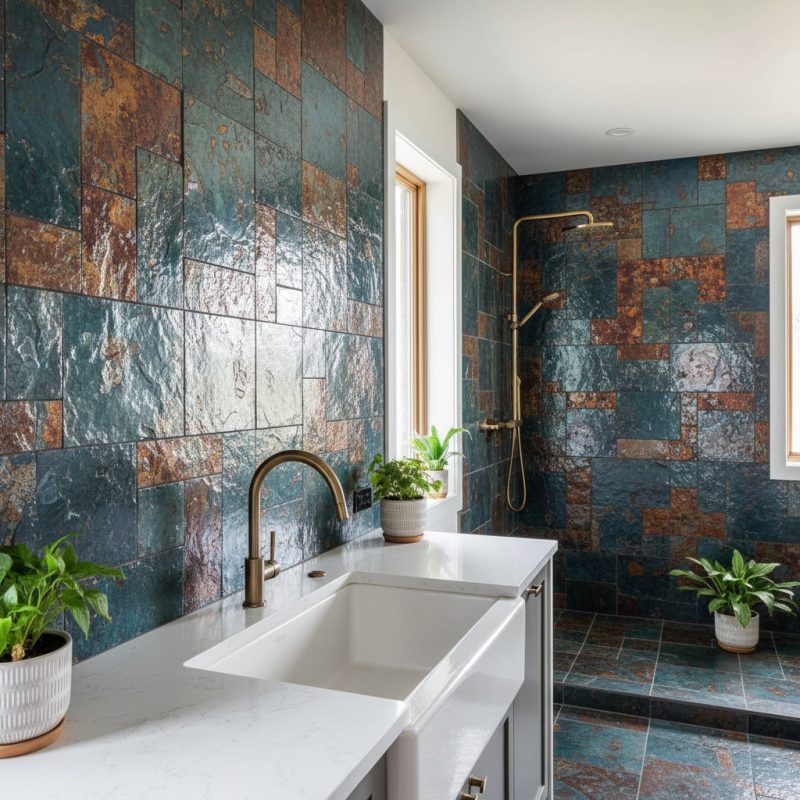
When considering colored stone metal tiles for your home renovation, it is essential to understand their composition and characteristics. These tiles blend the natural beauty of stone with the durability and versatility of metal, creating a dynamic aesthetic that can suit various design styles. Typically made from a combination of materials such as granite, marble, or quartzite, bonded with metallic elements, these tiles offer a unique way to add texture and color to your spaces. A broad spectrum of hues is available, allowing homeowners to match their tile choices with existing decor or opt for bold contrasts that make a statement.
The installation process for colored stone metal tiles can vary significantly from traditional ceramic or porcelain tiles, leading to different considerations during renovation. The weight and thickness of these tiles may require specialized adhesive and substrate preparations to ensure longevity and stability. Additionally, the maintenance needs of colored stone metal tiles should not be overlooked; understanding sealing processes and cleaning methods is crucial for maintaining their appearance over time. By grasping these foundational aspects, homeowners can make informed decisions when selecting the ideal colored stone metal tiles to enhance their interiors.
Colored stone metal tiles offer numerous benefits for home renovation, making them a popular choice among homeowners and designers alike. One of the most significant advantages is their aesthetic appeal. These tiles combine the natural beauty of stone with the durability of metal, creating a unique and modern look that can elevate any space. They are available in various colors, patterns, and finishes, allowing for endless design possibilities that suit different tastes and styles. Whether you prefer a sleek, contemporary appearance or a more rustic feel, colored stone metal tiles can seamlessly integrate into your interior design.
When selecting colored stone metal tiles, consider the overall theme of your home. Choosing tiles that complement your existing color scheme can enhance the visual flow of your space. Additionally, think about the functionality of the tiles in the areas you intend to use them. For example, in high-traffic areas like kitchens and bathrooms, opting for tiles that are not only visually appealing but also resistant to stains and moisture is essential.
**Tips:** To maximize the benefits of colored stone metal tiles, ensure proper installation for longevity. Seek professional help if needed, as correct placement and sealing will prevent damage. Also, don't forget to experiment with different textures and finishes to add depth and interest to your design. Lastly, consider layering with other materials to create a dynamic aesthetic that showcases the beauty of the tiles while fulfilling practical needs.
When considering colored stone metal tiles for your home renovation, it’s essential to understand the various types available and their unique aesthetics. Natural stone tiles often encompass materials like marble, granite, or slate, which offer rich textures and vibrant colors. Their organic beauty can create a timeless look, seamlessly blending with both modern and traditional designs. The aesthetics of these tiles not only enhance the visual appeal of a space but also speak to the durability and sophistication that comes with natural stones.
On the other hand, engineered stone tiles provide a contemporary alternative, combining natural stone elements with resin for a variety of colors and patterns that are consistently uniform. This allows for creative designs that can mimic higher-end materials while also providing ease of maintenance. These tiles can be a fantastic option for homeowners looking to achieve a striking look without sacrificing practicality. Ultimately, the choice between natural and engineered stone tiles will depend on your personal style, the mood you want to create, and the specific requirements of your renovation project.
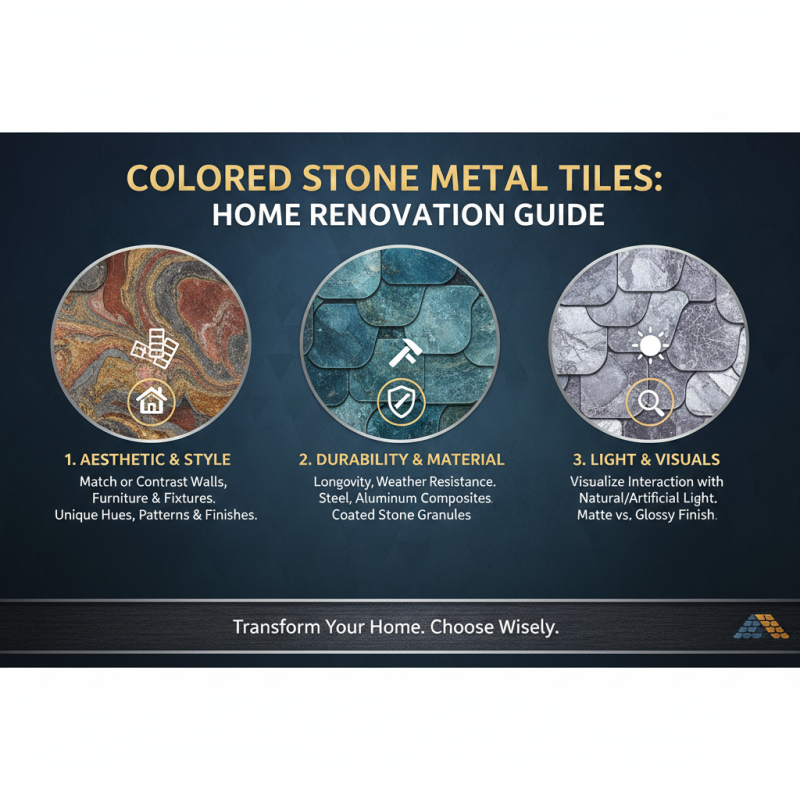
When selecting colored stone metal tiles for your home renovation, there are several key factors to consider that can significantly influence your choice. Firstly, think about the overall aesthetic you want to achieve. Colored stone metal tiles come in a variety of hues, patterns, and finishes, allowing you to create a unique look that complements your existing decor. Consider how the colors will match or contrast with the other elements in your space, such as walls, furniture, and fixtures. Using samples can help visualize how different tiles will interact with light and space.
Another important factor is the tile's durability and maintenance requirements. Different colored stone metal tiles may vary in their resilience to wear and tear, as well as how easy they are to clean and maintain over time. For high-traffic areas or spaces that may be exposed to moisture, look for tiles that offer better resistance to scratches, stains, and water. Additionally, consider the installation process and whether professional help is needed, as this can affect both the cost and overall timeline of your renovation project. Knowing these aspects will help you make an informed decision that balances aesthetics with practicality.
Matching colored stone metal tiles with existing decor is crucial for a cohesive and stylish home. When selecting your tiles, consider the color palette and aesthetic of your current space. According to a 2022 report from the National Kitchen and Bath Association, over 70% of homeowners prioritize color harmony in renovation projects. Utilizing color theory can enhance this process; for instance, complementary colors can create a vibrant look, while analogous colors provide a more serene and unified feel.
Moreover, the texture and finish of the tiles also play a significant role in how they blend with existing decor. A study by the Tile Council of North America revealed that almost 60% of homeowners favor matte finishes for a sophisticated touch, whereas glossy finishes can enhance light in spaces with limited natural illumination. To achieve a balanced environment, consider the proportions of colored stone metal tiles in relation to your larger furnishings and artwork. Aim for a synergy that allows the tiles to stand out while still aligning with the overall vibe of the room.
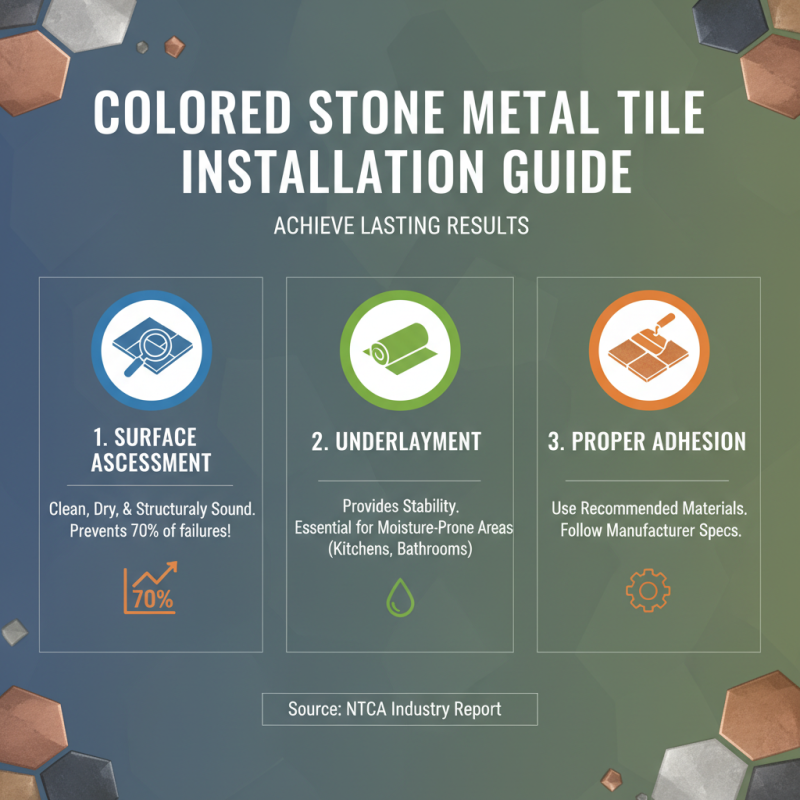
When considering the installation of colored stone metal tiles, it's important to ensure proper preparation and methods to achieve the best results. According to a recent industry report by the National Tile Contractors Association, approximately 70% of tile failures can be traced back to improper installation techniques. Before starting, assess the surface where the tiles will be applied; it should be clean, dry, and structurally sound. Using a tile underlayment can provide added stability, especially in areas prone to moisture like kitchens and bathrooms.
Once the surface is prepared, choose an appropriate adhesive that complements the characteristics of your tinted stone tiles. The Tile Council of North America recommends using a modified thin-set mortar for optimal bond strength. During installation, maintain consistent spacing between tiles using spacers to ensure a professional finish. Furthermore, allowing adequate time for the adhesive to cure before grouting is crucial; a study by the American Society of Interior Designers suggests this can significantly enhance the longevity and performance of the installation. By following these expert guidelines, your colored stone metal tiles can add aesthetic appeal and functionality to your home for years to come.
Maintaining and caring for colored stone metal tiles is essential to preserve their beauty and longevity in your home. Regular cleaning is paramount; use a soft cloth or mop to wipe away dirt and dust, while avoiding abrasive materials that can scratch the surface. For deeper cleans, a mild detergent mixed with warm water can effectively remove stains without harming the tile's finish. It’s important to avoid acidic or bleach-based cleaners, as these can damage the colored finish and reduce the tile's vibrancy over time.
In addition to routine cleaning, periodic sealing of colored stone metal tiles can enhance their resistance to stains and moisture. Depending on the type of tile and its usage, resealing may be necessary every 6 to 12 months. Always check the manufacturer's guidelines for specific recommendations. Furthermore, ensure that any spills are promptly cleaned up to prevent staining, especially from substances like wine or oil. With proper care and maintenance, your colored stone metal tiles will continue to add aesthetic appeal to your home for years to come.
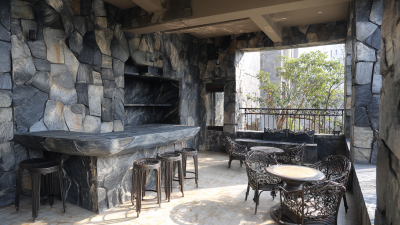
In the realm of architectural design, the aesthetic appeal of natural stone remains unmatched. However, the prohibitive costs and complex installation processes of traditional stone materials have led to a growing interest in rock-imitating Stone Paints. These advanced decorative coatings present a compelling solution, allowing homeowners and architects to embrace nature's beauty without the inherent challenges of natural stone. The emergence of this innovative product is reflective of the ongoing trends in the construction industry, where efficiency and aesthetics go hand in hand.
Rock-imitating stone paint is not just visually appealing; it also offers exceptional performance characteristics. According to a recent industry report, the global market for decorative paints, including stone imitations, is projected to grow significantly, driven by increasing demand for durable and cost-effective building materials. Utilizing state-of-the-art technology, these paints replicate not only the texture but also the myriad colors found in natural stone, providing an authentic and majestic appearance that enhances the overall ambiance of artistic spaces. Their lightweight nature and ease of application further position them as a prime choice for modern construction projects.
Moreover, the versatility of rock-imitating paints expands their application beyond mere exterior aesthetics. Interior spaces, from residential homes to commercial buildings, benefit from their stone-like finishes, creating a seamless blend between nature and architectural design. This adaptability, coupled with the growing trend of sustainable building practices, highlights the relevance of stone imitation paints in contemporary architecture, reinforcing the idea that beauty and practicality can coexist harmoniously in artistic environments.
: Consider the overall aesthetic you want to achieve, including color harmony with existing decor, durability, maintenance requirements, and the installation process.
Utilizing samples of the tiles can help you visualize how different colors and finishes interact with light and space in your home.
Consider the color palette and aesthetic of your space, and utilize color theory to find complementary or analogous colors that create a cohesive look.
Matte finishes are favored for a sophisticated touch, while glossy finishes can enhance light in areas with limited natural illumination.
Regular cleaning with a soft cloth or mop, mild detergent mixed with warm water for deeper cleans, and avoiding abrasive or harsh chemicals is essential for maintenance.
Resealing may be necessary every 6 to 12 months, depending on the type of tile and its usage. Always check specific guidelines for your tiles.
Clean spills promptly to prevent staining, especially from substances like wine or oil.
Different tiles vary in resistance to wear, scratches, and moisture, especially in high-traffic areas, so choosing durable options is crucial for long-term use.
The proportions of colored stone metal tiles in relation to larger furnishings and artwork, as well as their overall color and finish, contribute to a balanced look in your space.
Avoid using acidic or bleach-based cleaners, as they can damage the colored finish and reduce the tile's vibrancy over time.
Colored Stone Metal Tile offers a unique and stylish option for home renovations, combining the natural beauty of stone with the durability of metal. Understanding the basics of these tiles is crucial, as they come in various types and aesthetics that can enhance any space. The benefits of using Colored Stone Metal Tiles include their resistance to wear, ease of maintenance, and ability to add a sophisticated touch to your decor.
When choosing the right Colored Stone Metal Tile, consider factors such as color, size, and texture to ensure they complement your existing decor. Proper installation techniques are essential for achieving a polished look, while ongoing maintenance will keep your tiles looking vibrant and new. By following these guidelines, homeowners can successfully incorporate Colored Stone Metal Tiles into their renovations, creating beautiful and lasting results.