In today’s fast-changing world of industrial materials, picking the right Double Tape Rubber is pretty important if you want both good performance and sustainability. I came across a recent report from MarketsandMarkets that projects the adhesive tapes market will hit around $70 billion by 2026. That really shows just how much demand there’s been for top-notch bonding solutions across different industries. Sengu (Shandong) New Materials Co., Ltd., with its huge production facility spanning nearly 100 acres, is definitely leading the charge here. They’re all about offering safe, eco-friendly, and long-lasting solutions for home decoration and beyond. By understanding the unique features and uses of Double Tape Rubber, companies can boost efficiency and stay in line with tough environmental standards. It’s all about making smarter choices that balance operational needs with doing good for the planet.
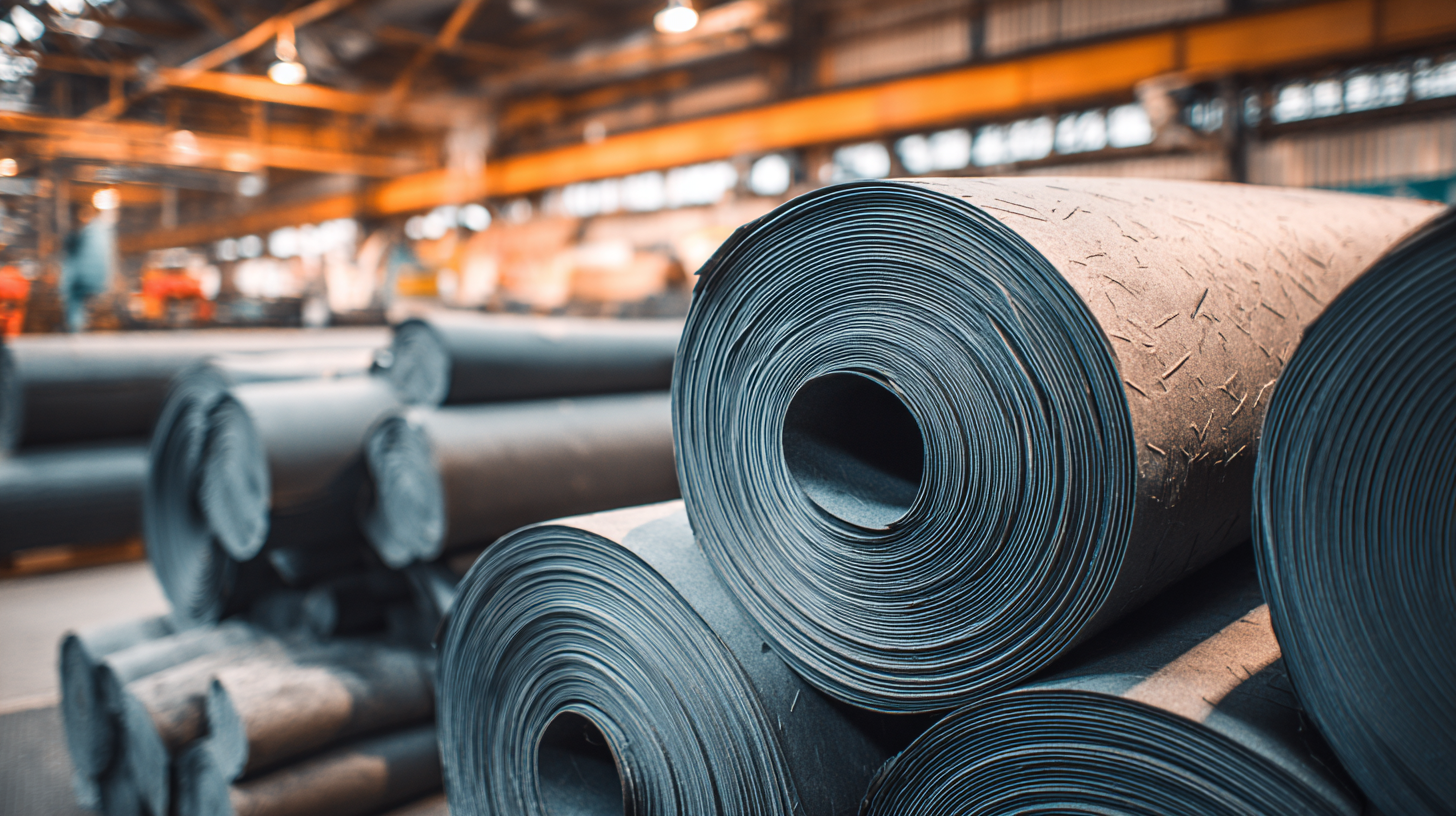
When you're trying to pick the right double-sided rubber tape for industrial use, it really helps to understand the different types out there. I mean, these tapes can vary a lot — with different adhesives, thicknesses, and backing materials — each suited for specific tasks. Some formulas are made to handle high temperatures, while others are great in damp or high-stress environments. That variety actually gives manufacturers the flexibility to choose a tape that fits their particular needs, whether it’s for a permanent bond or a temporary fix.
Also, it's pretty interesting to see how the market for adhesive tapes keeps growing — it's expected to hit around USD 111.31 billion by 2030. That’s a clear sign of how much these materials are being relied on across different industries. In many cases, especially in industrial settings, you need tapes that can handle heavy loads and last over time. Some of these double-sided tapes can even support up to 37.5 pounds! Getting a good grip on the specs of these materials and understanding market trends can really help businesses make smarter choices. It all comes down to making their manufacturing and packaging more efficient, while also boosting performance and keeping costs in check.
When you're choosing double tape rubber for industrial purposes, it’s really important to check out its adhesive strength. That’s basically what tells you how well the tape will stick to different surfaces, especially under varying conditions. Experts often suggest going for tapes with high shear and peel strength—these numbers give you a good idea of how tough the adhesive is when forces try to pull or slide the bonded parts apart. And don’t forget, it’s also smart to test the tape in the actual environment where it’ll be used—think extreme temperatures or exposure to chemicals—since that can make a big difference in performance.
On top of that, paying attention to performance metrics is just as crucial. Things like tack (how sticky it feels initially), thickness, and how much it can stretch before breaking all matter. For example, a tape with a strong initial tack is easier to handle and instantly bonds, which is pretty handy. Thickness can also help it resist compression, especially in pretty active or moving setups. The best approach? Run some trial tests and chat with the manufacturers about these specifics. That way, you’re more likely to pick the perfect double tape rubber that matches up with your particular industrial needs.
When you're choosing double tape rubber for industrial use, there are a couple of key things to keep in mind—mainly thickness and width. So, first off, the thickness really impacts how strong the tape is and how well it insulates. Usually, a thicker tape means a stronger stick and better durability, which is super helpful for heavy-duty stuff. If you're working in an industry where you need reliable holding power, going for a thicker double tape rubber can really make a difference—especially in tough, high-stress situations where you can’t afford to have it fail.
Then there’s the width, which also matters a lot. It influences how much area the tape covers and how efficient your application is. A wider tape can spread out the load more evenly, reducing the chances of it coming apart—that's great for bigger surfaces or heavy items. On the flip side, narrower tape gives you more control, which is handy if you're dealing with intricate or delicate tasks. Basically, by thinking about what your project needs—like load capacity and surface size—you can pick the right tape dimensions to get the best results. It’s all about matching the tape to what you’re working on to make everything go smoothly.
When you're choosing double tape rubber for industrial use, it's really important to get a good handle on how it handles heat and environmental things like moisture or UV rays. Different industries face their own unique challenges, which can really affect how well the tape lasts and performs over time. For example, if you're working in automotive manufacturing or electronics, you definitely want a tape that can handle high temperatures—because heat can make the adhesive fail pretty quickly. Experts usually suggest looking at the max and min temperature ratings that manufacturers provide, just to make sure the tape you pick can survive the actual conditions in your facility.
But it's not just about temperature—other environmental factors like humidity, exposure to chemicals, and sunlight are also big players. Some double tape rubbers are made with special additives to boost their resistance to moisture or harsh substances, which is a big plus. Taking the time to analyze what kind of environmental stresses your materials will face can really help you find the right tape for the job. For industries like construction or aerospace, where materials might face a lot of different stresses, choosing a tape with top-notch environmental resistance is key to getting the results you want that last. All in all, focusing on these important details helps businesses make smarter choices that really fit their specific needs.
| Type of Double Tape Rubber | Temperature Resistance (°C) | Environmental Resistance | Adhesive Strength (N/cm) | Ideal Uses |
|---|---|---|---|---|
| Acrylic Double Tape | -30 to 100 | Water, UV, and Chemical Resistance | 20 | Outdoor signs, Automotive applications |
| Rubber Double Tape | -10 to 80 | Water and Moderate Chemical Resistance | 15 | Indoor mounting, Electronics |
| VHB Double Tape | -40 to 120 | High UV and Chemical Resistance | 25 | Heavy-duty applications, Structural bonding |
| Foam Double Tape | -20 to 70 | Water and Light UV Resistance | 10 | Insulation, Shock absorption |
When you're trying to pick the right double-sided rubber tape for industrial stuff, one of the key things to think about is how well it sticks to different surfaces. You see, not all surfaces are the same—some are smooth, others are rough, and then some are porous. This actually affects how the adhesive works. Knowing how these surfaces behave can really help you choose the right tape so it sticks well and lasts longer. For example, if you use a tape made for smooth surfaces on a rough or textured material, it might not hold properly and could fail early.
A good tip is to first check out the surface you're working with—figure out what it's made of and how rough it is. That way, you can pick an adhesive that matches your needs. You should also keep in mind environmental things like temperature and humidity because they can mess with how well the tape sticks. Before going all in, it's smart to try sticking it on a small spot first—this can give you a pretty good idea if it’s gonna work long-term.
And if you're really unsure, don’t hesitate to ask experts or contact the manufacturers. They usually have useful advice and can recommend the best product based on your specific needs. Paying attention to surface compatibility really makes a difference. It can totally up your game when it comes to using double-sided rubber tape in industrial settings!
When you're on the lookout for good double tape rubber suppliers, it's so important to focus on companies that have a solid reputation in the industry. Try to find those who really specialize in rubber products and have a ton of experience serving industrial clients. Reading through customer reviews and testimonials can give you a pretty good sense of how reliable they are and how well their products actually perform. Also, don’t forget to check their certifications—having industry-standard credentials usually means they’re serious about quality and safety.
A couple of tips: always ask for samples before you place a big order. It’s worth it because you can test out the quality, how well it sticks, and how flexible the tape really is. And if you need something a bit more tailored, make sure your supplier offers custom solutions; this can really boost your efficiency and make things run smoother.
Oh, and don’t overlook how important clear, straightforward communication is. A supplier who responds quickly and answers your questions honestly is more likely to live up to your expectations and help you out down the line. Building a good relationship with your supplier isn’t just about getting your order; it can also mean better prices, faster service, and being in the loop about new innovations with double tape rubber.
: Adhesive strength is crucial because it determines the tape's ability to bond with various surfaces under different conditions, ensuring durability and reliability in industrial uses.
Key performance metrics include shear strength, peel strength, tack, thickness, and elongation at break, which all influence bonding durability and ease of application.
Temperature fluctuations and chemical exposure can impact the tape's adhesive properties, making it essential to test the adhesive in the specific environment where it will be used.
Surface compatibility is critical as different surfaces interact with adhesives in varying ways; using the wrong tape on a surface can lead to inadequate bonding and failure.
Conduct a thorough surface analysis, consider environmental factors, and test a small area before full application to determine the tape's adhesion effectiveness.
Manufacturers can provide expert advice and product information tailored to specific industrial needs based on material formulations and performance specifications.
When it comes to the industrial world, picking the right Double Tape Rubber isn't just a small detail—it's actually a big deal if you want things to work smoothly and last long. In this article, I’ll walk you through the different types of Double Tape Rubber out there, and why knowing about things like adhesive strength and performance metrics really matters if you're after a solid, reliable bond. We’ll also look at stuff like thickness, width, how well it handles high or low temperatures, and whether it’s suitable for different environments. It’s like having a handy guide if you're trying to find the perfect match for your specific project.
Plus, I’ll touch on surface compatibility—because not all surfaces are the same—and share some tips from the pros on where to find quality suppliers for Double Tape Rubber. At Sengu (Shandong) New Materials Co., Ltd., we’re all about creating eco-friendly, durable solutions—kind of like what we talk about here—to help you make smarter choices for your industrial needs. So, whether you're just starting out or looking to upgrade, I hope this guide helps you get a clearer picture of what to look for.
Think of it as chit-chat with a friend who’s been around the block a few times, giving you real advice you can trust.