inquiry
Leave Your Message
0%

Honestly, picking a Stone Coated Metal Tile in 2026 is about a lot more than color and price. It really comes down to your specific roof—its slope, the weather where you live, how the installers handle it, and whether the product has the test results to back up its promises. You want to check the substrate, the coating specs, how it gets fastened, what the warranty sneaks in as exclusions, and whether you can still get replacement panels a few years from now. And don't just accept a polished brochure—ask for the actual test reports. That's where the real story is.

Weather's a big deal when you're picking a roof. The World Meteorological Organization just put out a report saying the global average temp was about 1.55°C above the 1850-1900 average, give or take 0.13°C. But that single year number doesn't prove anything about how long a roof product will hold up. What it does is remind you to look at your own local conditions—wind, rain, heat, hail—and see how a roof handles those. You know how people say history is being written? Well, Celeste Saulo, the head of the World Meteorological Organization, put it a bit differently: 'The history of climate is unfolding before our eyes.' Just to be clear—she's talking about the actual climate, not giving us roofing advice. Nope, she's pointing out that we're living through significant climate shifts right now.

Hey, when you're comparing different roofing products, don't just settle for the brochure. Ask the manufacturer for their current test documents and installation guidelines – that stuff's important. And make sure the system actually works for your specific roof deck and pitch – you don't want to assume it'll fit. Once you've got that, really scrutinize the valleys, ridge caps, eaves, and any penetrations. Little mistakes in the detailing can mess up an otherwise great tile, believe me. Also, find out who's gonna handle the installation, what kind of workmanship warranty they offer, and how they handle claims if something goes wrong. Finally, compare the total installed cost – not just the per-tile price. That's where the real differences show up. Look, a finish that looks durable just isn't enough. Honestly, there's no single spec that'll guarantee a trouble-free roof, and you've got to take some marketing claims with a grain of salt. The tips we've got coming up are all about practical checks you can actually verify before you sign on the dotted line.
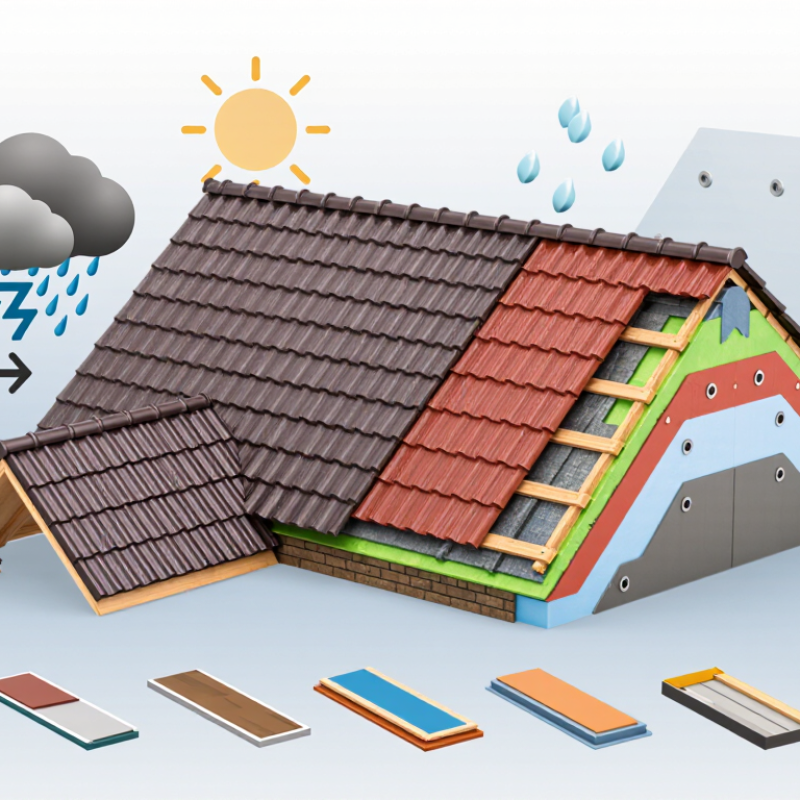
How to Choose Stone Coated Metal Tiles in 2026?

Define Stone-Coated Metal Tiles and Their 2026 Roof-System Components

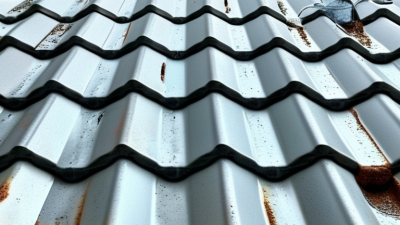
Stone-Coated Metal tiles are formed metal panels finished with mineral granules and a protective coating. The metal provides the panel’s structure; the textured surface adds color and helps create a traditional tile-like appearance. AColored Stone Metal Tile is not a complete roof by itself. Its performance depends on how each roof-system component works together.

In 2026, check the full assembly: roof deck, underlayment, panels, approved fasteners, flashing, ridge and eave details, and ventilation. Some designs also use battens, but installation requirements vary by profile and roof shape. Ask for specifications covering panel thickness, coating, fastening locations, and compatible accessories. Inspect valleys and roof edges closely; small details there can affect water management. The label alone tells you little. I would still compare the installation instructions with the actual roof conditions before choosing.

Tips: Request a sample and examine its edge, granule coverage, and finish in daylight. Confirm that flashings and fasteners match the system. Keep a little doubt; attractive samples cannot prove installation quality.

Verify the Steel Substrate Against ASTM A792’s 55% Aluminum-Zinc Coating

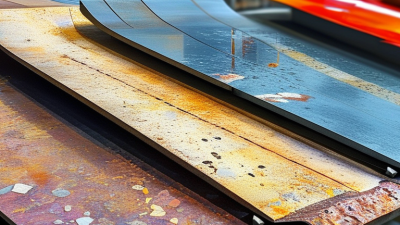
When choosing a Stone Coated Steel Tile, check the steel substrate before judging the stone finish. ASTM A792/A792M specifies steel sheet coated with a 55% aluminum-zinc alloy. That figure describes the alloy composition, not the coating’s thickness or weight. ASTM’s coating designation data distinguish common AZ50 and AZ55 classes: their minimum coating masses are 0.50 and 0.55 ounces per square foot, respectively, measured across both sides. That is about 150 and 165 g/m². Ask for the mill test certificate, not just a brochure claim.

A certificate should identify the ASTM specification, coating class, base-metal thickness, and test basis. Compare those details with the purchase order. A shiny surface can hide a lighter coating class, and stone granules do not prove what lies beneath. Cut edges and punched fixing holes deserve attention; they may be the first places where damage becomes visible. ASTM values are a useful baseline, not a promise of service life. Installation, drainage, and local exposure still matter.

Tips: Match the certificate to the delivered batch. Check several panels for exposed steel at edges and around nail holes. If the supplier cannot explain AZ50 versus AZ55 clearly, pause and verify the paperwork. Small detail, big difference.

Compare Declared Steel Thickness and Coating Mass Across Products

When comparing Stone Coated Steel Roofing Tile products, separate base-steel thickness from metallic coating mass. A declared thickness of 0.45 mm may refer to the steel core, not the finished panel, where coatings and stone granules add material. Ask suppliers to state the measurement method and whether the figure excludes coatings. Small differences matter.

Check coating mass in grams per square metre, and confirm whether it covers both sides. ASTM A792/A792M uses coating designations such as AZ50, equivalent to about 150 g/m² across both surfaces. This is a useful benchmark, not proof that every finished tile meets the same specification. Request mill test documentation and, for a large order, consider independent sampling. A label can still mislead. Also inspect cut edges and fastener holes: thin, exposed areas may corrode sooner than broad, intact surfaces. Coating mass alone does not predict service life; drainage, installation quality, and local exposure matter. Compare like with like, and record the exact test method. One detail is easy to miss: declared thickness and coating mass should describe the same product batch.

How to Choose Stone Coated Metal Tiles in 2026?

Compare declared steel thickness and metallic coating mass across specification checkpoints

The thickness values are comparison checkpoints, not product claims or standard grades. AZ150, AZ185, AZ200 and AZ225 are aluminum-zinc coating designations; the number indicates nominal coating mass in g/m² across both sides. When comparing tiles, check whether steel thickness refers to the base steel and confirm the coating designation on the product declaration.

Assess Stone-Granule Bonding Through Documented Adhesion Tests

When choosing stone-coated metal tiles in 2026, ask how firmly the stone granules are bonded to the metal. A textured surface can look convincing in a showroom, yet loose granules may appear after handling or years of exposure. Ask for documented adhesion-test results, not only a general statement that the coating is durable.

A useful report identifies the tile sample, test method, conditioning, and measured result. Check whether testing used finished tiles, including the primer and coating layers, rather than a different laboratory sample. Ask how the surface was examined after testing: Were granules brushed away, pulled off, or assessed by another repeatable method? Clear photographs and recorded sample details help make results easier to compare. Numbers matter.

Test conditions matter, too. A result from a dry, new sample cannot tell the whole story about heat, moisture, or freeze-thaw exposure. Request results before and after relevant aging tests, and ask whether the criteria reflect the tile’s intended climate. Reports should come from a qualified, independent laboratory when available. Still, one test cannot predict every roof’s performance. Installation, handling, and local weather can change the outcome. I would compare the evidence carefully; test reports are useful, but they are not a promise.

Match Wind-Uplift Evidence to ASTM E1592 and Local ASCE 7 Loads

Choosing stone-coated metal tiles in 2026 starts with your site’s wind demand, not a product’s headline rating. ASCE 7 loads vary with location, building height, terrain exposure, risk category, and roof zone. A coastal home with open terrain may face different pressures from a sheltered inland house. Ask for the project-specific design pressures, including both uplift and downward pressure.

Request the ASTM E1592 test report for the complete roof assembly. The test applies uniform static air pressure to evaluate structural performance; it does not automatically establish an allowable design capacity. Check that the tested tile profile, clips, fastener spacing, roof deck, and installation match your project. Details matter. A clean test result can still mislead if the installed assembly differs.

For context, the National Hurricane Center’s Tropical Cyclone Report for Hurricane Ian records 130-knot sustained winds at Cayo Costa, Florida, at landfall in 2022. That figure is not a design speed for your property. It shows why regional storm headlines cannot replace local ASCE 7 calculations. Have a qualified design professional reconcile the tested assembly’s pressure data with the required pressures, especially at roof edges and corners. I would pause if a supplier offers only a tile-level rating. The missing installation details may be the weak point.

Check UL 2218 Impact Classes 1–4 and ASTM E108 Fire Ratings

How to Choose Stone Coated Metal Tiles in 2026?

When comparing Stone Coated Metal Tiles, check the test standard and the exact rating—not just claims like “hail resistant.”UL 2218 rates roofing materials from Class 1 to Class 4 using standardized steel-ball impact tests. Higher classes indicate resistance to more severe test impacts, but they do not guarantee that a roof will avoid damage in every hailstorm. That distinction matters. NOAA’s National Severe Storms Laboratory estimates hail causes nearly $1 billion in annual U.S. damage to property and crops. Ask for the product’s test report and confirm it applies to the specific tile profile and assembly you plan to install.

Fire performance is a separate check. ASTM E108 evaluates roof-covering assemblies under external fire exposure and assigns Class A, B, or C ratings; Class A provides the highest level in this test system. Confirm the rating covers the proposed underlayment and installation details, since changing components can affect the tested assembly. Look for documentation from an accredited testing laboratory, and ask whether the rating applies to your roof slope. Real roofs vary. I would not treat either rating as a promise: workmanship, roof condition, and local exposure still matter, and that part is easy to overlook.

Compare Roof Weight, Installation Requirements, and Written Warranty Coverage

When choosing Metal Tile Shingles, compare the finished roof weight with your home’s existing structure, not just the weight of one panel. Ask for the product’s installed weight per square foot, including underlayment and battens where applicable. A contractor can inspect rafters and decking for sagging, moisture damage, or repairs before estimating the job. Details matter. Avoid assuming a lighter-looking tile is automatically suitable for every roof.

Installation requirements affect cost and performance. Check the specified roof pitch, fastening pattern, underlayment, and edge-flashing details. Ask who handles ventilation and how installers will protect valleys and roof penetrations. Get the proposed scope in writing, including removal of existing materials, deck repairs, and disposal. A vague estimate can leave important work unclear.

Read the written warranty before signing. Confirm what is covered, how long coverage lasts, and whether labor, finish, or water intrusion are included. Note exclusions for installation errors, inadequate maintenance, or particular weather conditions. Ask how to file a claim and what documentation to keep. Warranty language can sound reassuring while leaving gaps; compare the actual terms, not just the headline duration.

How to Choose Stone Coated Metal Tiles in 2026? - Compare Roof Weight, Installation Requirements, and Written Warranty Coverage

Comparison factor Typical information to compare Why it matters What to confirm in writing
Tile-panel weight Stone-Coated Steel roof panels commonly weigh approximately 1.0–1.5 lb/ft² (about 4.9–7.3 kg/m²). The exact figure depends on panel design, steel thickness, and product construction. A lighter covering can reduce added dead load compared with many heavier roof coverings, but the panels are only part of the completed roof assembly. Request the product’s published panel weight and clarify whether it includes accessories, battens, underlayment, and flashings.
Total added roof load Calculate using the actual sloped roof area, then add the weight of underlayment, battens or framing, flashings, and any existing layers that will remain. Panel weight alone does not establish whether an existing roof structure can safely support a new covering. For a re-roof or uncertain structure, have a qualified building professional assess the roof. Check local rules on installing over an existing roof.
Installation system Some systems attach panels over a solid roof deck; others use battens or a specified support layout. Attachment methods and components are system-specific. The chosen system affects labor, material quantities, roof preparation, and how the assembly handles ventilation and drainage. Obtain the current installation manual and a written scope identifying the approved system, deck requirements, fasteners, and included components.
Minimum roof pitch Minimum pitch varies by profile and installation method. Some systems require a pitch of 3:12 or greater; lower pitches may require approved details or may not be allowed. Incorrect pitch or unsuitable details can increase the risk of water entry, especially at laps and penetrations. Confirm that the exact product and proposed installation method are approved for the measured roof pitch and local code.
Roof deck and underlayment Requirements may specify a particular deck type, deck condition, underlayment, or additional protection in valleys and other vulnerable areas. A sound, properly prepared substrate and correctly installed water-control layers are essential parts of the roof assembly. List deck repairs, underlayment type, valley treatment, and any required eave or penetration details in the project documents.
Fasteners and flashing details Fastener type, corrosion resistance, placement, spacing, and flashing details should follow the product’s installation instructions. Incorrect fastening or poorly detailed edges, valleys, walls, and penetrations can compromise performance. Confirm the approved fastener schedule and who supplies and installs step flashing, ridge and hip components, valleys, and pipe flashings.
Written warranty coverage Coverage and term vary by product and seller. A material or finish warranty may be separate from a workmanship warranty or any weather-tightness coverage. A stated warranty length does not, by itself, explain which failures are covered or who is responsible for installation defects. Read the full written warranty for covered defects, start date, remedies, transferability, claim process, and whether labor and removal or replacement costs are included.
Exclusions and maintenance Warranty terms may address improper installation, unauthorized alterations, inadequate maintenance, building movement, or severe events differently. Exclusions and required maintenance can affect whether a future claim is eligible. Request the applicable exclusions and maintenance instructions before purchase, and retain invoices, product documents, and installation records.
Wind, impact, and fire documentation Ratings depend on the tested product and assembly; they should not be assumed from the material description alone. Local wind, fire, and building-code requirements may determine which tested assembly is suitable for the property. Ask for current test reports or code documentation for the exact profile and installation method, and verify local approval requirements.

Note: Figures and installation details are general selection guidance, not specifications for every product. Verify all weights, pitch limits, installation instructions, code approvals, and warranty terms against the exact product documents and local requirements.

How Colored Stone Metal Tiles Combine Lightweight Strength with Lasting Architectural Beauty

Colored stone metal tiles bring together the visual depth of natural stone and the practical strength of formed metal. Their relatively light construction can reduce the load placed on roof framing compared with many traditional tile systems, while the stone-coated surface adds texture and helps create a refined architectural finish. For projects seeking long-term performance, the Metal Roofing Alliance estimates that metal roofing can last 40–70 years, depending on material, installation, and maintenance—making durability an important part of the design decision, not just an engineering detail.

Thermal performance also deserves attention. The U.S. Department of Energy reports that cool roofs can remain more than 50°F (about 28°C) cooler than conventional roofs under hot, sunny conditions. A colored stone finish’s actual heat performance depends on its color and tested solar-reflectance properties, so project teams should check product data rather than assume every finish performs alike. Sourced from specialist manufacturers in China, these tiles offer a broad palette and consistent factory production, allowing architects and builders to coordinate roof appearance with a building’s overall design while specifying lightweight strength and weather-ready construction.

FAQS

What are stone-coated metal tiles?

They are formed metal panels with mineral granules and a protective coating. The textured surface gives them a traditional tile-like look.

Do the panels make a complete roof?

No. A roof also needs a deck, underlayment, compatible fasteners, flashing, ridge and eave details, and ventilation. Small edges matter.

What specifications should I check before choosing?

Ask for panel thickness, coating details, fastening locations, and compatible accessories. Compare the instructions with your roof’s shape and conditions.

Are battens required for every roof?

Not always. Requirements vary by panel profile and roof shape. Check the installation instructions.

How should I inspect a tile sample?

View it in daylight. Check the edge, granule coverage, and finish. Looks can mislead.

What should an adhesion-test report show?

It should identify the tile sample, test method, conditioning, and measured result. Clear photos make comparisons easier.

Why ask for results after aging tests?

Heat, moisture, and freeze-thaw exposure can affect bonding. A new, dry sample tells only part of the story.

Do test results guarantee roof performance?

No. Installation, handling, and local weather also matter. Reports help, but they are not promises. I would still keep some doubt.

Conclusion

Choosing a Stone Coated Metal Tile in 2026 requires looking beyond appearance and comparing the complete roofing system. Confirm the steel substrate and its aluminum-zinc coating against the stated ASTM A792 specification, then compare each product’s declared steel thickness and coating mass. Ask for documented adhesion-test results to understand how securely the stone granules are bonded to the surface.

Next, check that wind-uplift evidence, such as testing to ASTM E1592, is appropriate for local design loads under ASCE 7. Review impact resistance classifications under UL 2218 and fire-rating documentation under ASTM E108, while considering roof weight and installation requirements for your building. Finally, read the written warranty carefully, including its coverage, exclusions, and duration. Comparing these details together can help you assess durability, performance, and long-term suitability rather than choosing by color or price alone.
Liam

Liam

Liam is a dedicated marketing professional at Sengu (Shandong) New Materials Co., Ltd., where he plays a pivotal role in promoting the company’s innovative products. With a strong background in materials science and a deep understanding of the industry, Liam consistently showcases his expertise by......
Previous Top Polyester Silicone Tape Manufacturers in China?