Choosing a Stone Coated roof in 2026 requires more than comparing colors, prices, and showroom photographs. The right system must suit your climate, roof design, installation conditions, and maintenance expectations. Coastal air, heavy rain, hail, snow, and strong sunlight can affect performance differently. A roof that looks excellent on a display board may behave differently after years of exposure.
Mark Graham, an experienced roofing consultant, says, “A durable roof begins with the building beneath it, not with the finish on top.” This practical view deserves attention. Homeowners should inspect the steel core, coating process, corrosion protection, fasteners, flashing details, and warranty terms. Ask whether the manufacturer publishes testing information and installation requirements. Ask who will install the roof. Workmanship can quietly decide the final result.
Good Stone Coated products often combine lightweight steel with a textured mineral surface. That surface can reduce glare and create a distinctive appearance. However, no coating removes every risk. Poor ventilation may trap heat. Incorrect screws may encourage leaks. Weak flashing may fail around chimneys and skylights. These details matter.
Budget matters too. Yet the lowest quotation may exclude underlayment, edge protection, or replacement timber. Request an itemized proposal from an established supplier, such as Decra Metal Roofing or another verifiable local manufacturer. Check completed projects, not only testimonials. Hold a sample in daylight. Look closely at the granules.
The choice is not perfect. It is a reasoned compromise between appearance, resilience, cost, and local expertise.
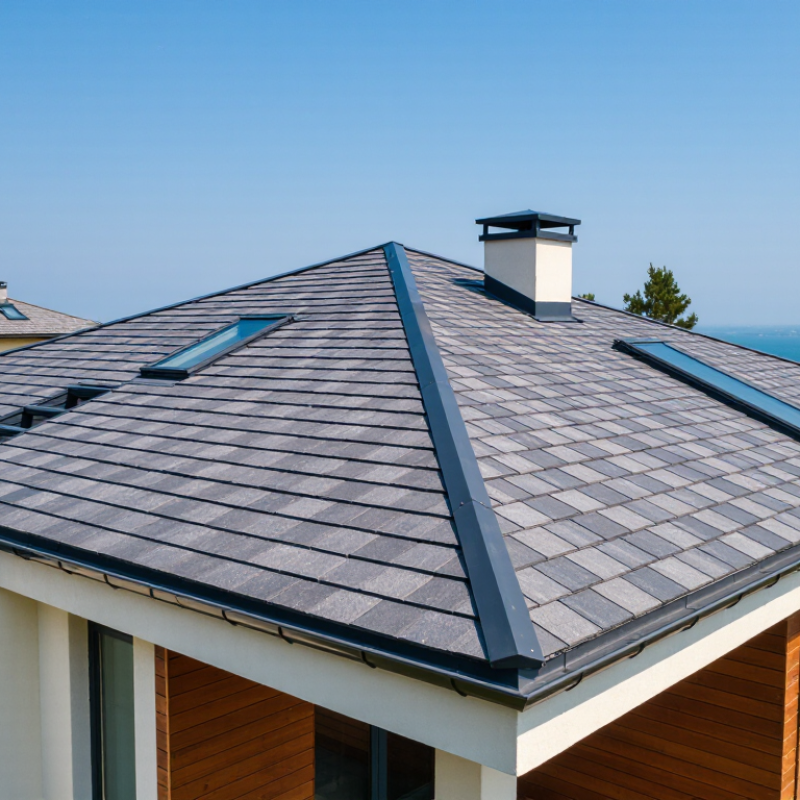
Stone Coated Roofing is a steel roofing system with a protective metallic layer, acrylic binder, and mineral granules. The steel core provides structural strength, while the coating helps resist corrosion. Interlocking panels overlap like scales, guiding rain toward the gutters and reducing exposed seams. The granules also add texture, shade, and modest noise control during rainfall.
The U.S. Department of Energy reports that reflective roofs can remain up to 50°F cooler than conventional dark roofs under strong sunlight. This may reduce cooling demand, especially in hot climates, although insulation and ventilation still matter. The National Roofing Contractors Association stresses that underlayment, flashing, and fastener placement influence service performance. A beautiful panel cannot correct poor detailing.
In 2026, check the steel thickness, coating specification, wind-uplift test results, and published installation instructions. Ask for documentation, not promises. ASTM test references can reveal whether panels were evaluated for corrosion, impact, and water resistance. The Insurance Institute for Business & Home Safety has repeatedly shown that roof edges and penetrations are vulnerable during severe wind events. I would inspect those areas first. Stone chips can loosen over time, and color may change unevenly. That is normal, but it deserves honest discussion.
In 2026, a Stone Coated Roof is usually built from coated steel, aluminum, or zinc-based metal. Coated steel remains the practical choice for most homes. It combines structural strength, low weight, and consistent panel production. The World Steel Association reported global crude steel production above 1.8 billion tonnes in 2023. That scale supports dependable material availability, although recycled content still varies by supplier.
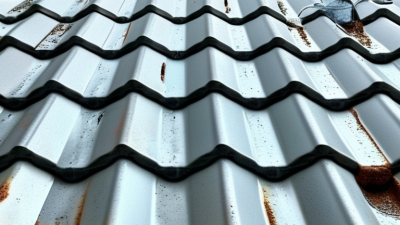
The available profiles create different visual and drainage effects. Stone-coated Metal Shingles resemble asphalt shingles and suit compact rooflines. Tile profiles provide deeper shadows and a heavier Mediterranean appearance. Shake profiles create uneven edges, similar to split timber. Slate profiles look flatter and more formal. Some manufacturers also produce corrugated and low-profile panels for agricultural or modern buildings. In field inspections, I pay close attention to interlocking edges, exposed fasteners, and valley details. Small installation errors often become large water problems.
The surface normally uses mineral granules bonded to an acrylic coating. Granule size affects texture, glare, and color stability. Light-colored finishes may support lower roof temperatures. The U.S. Environmental Protection Agency states that reflective roofing can reduce peak cooling demand by approximately 10% to 15% in suitable buildings. That figure is not universal. Climate, insulation, ventilation, and roof orientation change the result. I would not choose a profile from photographs alone. A sample under direct sunlight can reveal uneven granules, sharp edges, or an artificial finish. Some hesitation is healthy.
When evaluating stone coated roofing, inspect the steel core before admiring the surface. Panel thickness, protective coatings, and fastening design directly affect roof strength. Ask for tested wind-uplift ratings, impact results, and fire classifications. A strong roof should also support safe maintenance without excessive bending.
Weather resistance depends on more than decorative stone granules. Check coating adhesion, edge protection, corrosion resistance, and resistance to ultraviolet exposure. In coastal or storm-prone areas, salt spray and wind-driven rain deserve special attention.
Look closely at valleys, flashing, vents, and fasteners. Weak details often fail first. They matter.
Lifespan depends on materials, installation, ventilation, and local climate. Many quality systems may serve for several decades, but no roof lasts as promised without proper maintenance. Inspect loose granules, exposed metal, blocked gutters, and damaged seals every year.
A qualified roofing professional can compare test documents with local building requirements. Do not choose by panel appearance alone.
I once considered thickness the best strength indicator, but that view was too simple. Connection quality and drainage can matter just as much. Ask difficult questions, and keep the answers in writing.
When comparing Stone Coated Tiles, do not judge the roof by its material price alone. Installation, flashing, underlayment, delivery, and waste can change the final bill. A low quote may exclude roof repairs or ventilation upgrades. Ask for an itemized estimate with labor hours, fastener types, warranty terms, and removal fees. Request local project references, not only polished photographs. That practical check often reveals more than sales language.
Installation costs vary with roof pitch, access, structure, and weather conditions. A simple replacement may use existing framing, while an older roof may need reinforcement. On a steep roof, safety equipment and slower handling increase labor costs. Some systems use overlapping panels, while others require more detailed cutting around chimneys and valleys. Confirm the installer’s training and inspection process. Local building requirements still control the final method. Small errors become expensive.
Maintenance is usually manageable, but it is not maintenance-free. Inspect the roof each year, especially after strong winds or hail. Look for loose fasteners, damaged edges, blocked gutters, and exposed metal. Keep branches away from the surface. Harsh pressure washing can remove protective coatings, so follow the written care instructions. I would budget for minor repairs before they become leaks. My own comparison would include ten-year maintenance costs, not just today’s attractive price. That is where my first estimate was too optimistic.
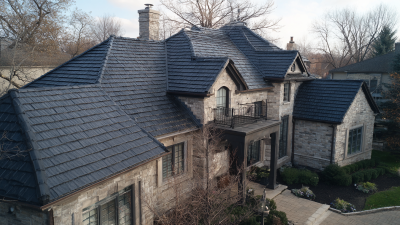
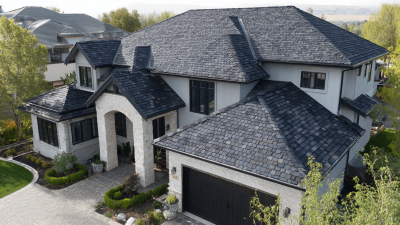
Choosing Stone Coated Metal roofing starts with your home’s design and local climate. A steep roof usually sheds rain and snow more effectively. Low-slope roofs need careful detailing around joints and drainage paths. Match the roof’s color and texture with your walls, trim, and surrounding landscape. Warm earth tones suit brick and natural stone. Cooler shades can complement modern siding and glass.
Climate matters just as much. In coastal areas, select corrosion-resistant fasteners and protective coatings. In snowy regions, secure panels properly and plan for drifting snow. Areas with intense sunlight benefit from durable finishes that resist fading. Hail-prone locations require strong panels and tested impact performance. Ask for documented specifications, not vague claims. A qualified installer should also inspect ventilation, flashing, and the roof deck before installation.
Small details often decide long-term performance. Poor attic ventilation can trap heat and moisture beneath an otherwise reliable roof. Overlooking valleys is another common mistake. These areas deserve precise underlayment and flashing work. I would also question dramatic lifetime promises, because maintenance and installation quality still matter. A roof can look perfect from the driveway and fail around a chimney. Review local building requirements and request written warranties. Take photographs during installation. They can clarify hidden work later.
Choosing Stone-Coated Steel in 2026 requires more than comparing colors and prices. Check whether the panels meet ASTM A792 for metallic-coated steel and ASTM D3161 for wind resistance. In high-wind regions, request an evaluation report showing tested uplift performance. UL 2218 impact classification also matters where hail is common. A roof can look like stone, yet its hidden coating and fastening system decide durability.
Warranties deserve closer inspection. Ask who covers the coating, substrate, fasteners, and labor. Some warranties exclude coastal salt, harsh cleaning chemicals, poor ventilation, or installation errors. The U.S. Department of Energy reports that reflective roofs can reduce roof surface temperatures by up to 50°F in sunny conditions. However, color, insulation, roof pitch, and local climate change the result. Read the exclusions.
Supplier evidence should be practical. Request batch certificates, installation drawings, maintenance instructions, and at least three nearby projects older than five years. The National Roofing Contractors Association stresses that workmanship and flashing details strongly affect roof performance. I would inspect valleys, vents, and exposed cut edges before trusting a brochure. A polished warranty is not proof. The supplier should also provide replacement-panel availability and written response times. I may still choose a cheaper system after comparing full-life costs, but only after checking the uncomfortable details: installer training, corrosion testing, delivery damage procedures, and who pays when a leak appears.
Check the steel core, panel thickness, protective coating, and fastening design. Ask for wind-uplift, impact, and fire-test results. A strong panel should not bend excessively during safe maintenance. Appearance alone can mislead.
Examine coating adhesion, edge protection, corrosion resistance, and ultraviolet protection. Coastal roofs need extra defense against salt spray and wind-driven rain. Inspect valleys, flashing, vents, and fasteners carefully. Weak details fail first.
Look closely at valleys, flashing, vents, fasteners, and exposed cut edges. These areas manage water or interrupt the protective surface. Poor drainage can cause trouble even with thick panels. I once underestimated this.
Request documents covering wind resistance, impact performance, fire classification, and corrosion testing. Recognized material and installation standards can support the comparison. For windy regions, ask for tested uplift results. Keep every answer in writing.
Quality systems may serve for several decades with suitable installation and maintenance. Lifespan depends on materials, ventilation, climate, drainage, and workmanship. No roof lasts forever. Promises need evidence.
Inspect loose granules, exposed metal, damaged seals, and blocked gutters. Clear leaves before water collects near valleys or flashing. Check fasteners for movement or visible corrosion. Annual inspection is practical.
Confirm coverage for the coating, steel substrate, fasteners, labor, and repair work. Read exclusions involving salt air, cleaning chemicals, poor ventilation, and installation errors. Ask who responds when a leak appears. The fine print matters.
Request batch certificates, installation drawings, maintenance instructions, and nearby projects older than five years. Check installer training, replacement-panel availability, and delivery-damage procedures. Compare complete lifetime costs, not only the purchase price. Cheaper is not always better.
Choosing Stone Coated roofing in 2026 requires more than comparing colors and prices. This roofing system combines a durable metal core with a protective stone surface, offering a balance of strength, weather resistance, appearance, and service life. Homeowners should compare available materials and profiles, such as panels designed to resemble tiles, shingles, or traditional roofing forms. Key factors include resistance to wind, rain, hail, heat, corrosion, and fading, as well as the expected lifespan under local conditions.
A reliable decision should also consider total cost, installation requirements, ventilation, fastening methods, inspections, and long-term maintenance. The roof profile and color should complement the home’s architecture while matching the region’s climate and environmental demands. Before purchasing, review applicable testing standards, product specifications, warranty terms, installer qualifications, and supplier support. By evaluating performance, compatibility, installation quality, and future upkeep together, homeowners can select a Stone Coated roofing solution that provides dependable protection and lasting value.