Picking the right Silicone Prosthetic Adhesive is actually super important if you want to stay comfortable and ensure everything works smoothly. I mean, according to the International Society for Prosthetics and Orthotics, using the wrong kind of adhesive can cause skin irritation or worse, make your device fail. The market’s really expanding — they’re expecting it to grow by about 6.5% each year until 2025 — so it’s clear that knowing what to choose isn’t just a minor thing, it really matters.
Figuring out what suits your needs isn’t always straightforward, though. A lot of folks get frustrated because their adhesive doesn’t quite match their skin type or what they’re usually up to. So, it’s worth taking some time to think about things like skin sensitivities or how active you are, before jumping in. Not all adhesives perform equally under different situations, and studies show that silicone-based ones tend to last longer and get along better with sensitive skin.
Honestly, going through the options can be a bit overwhelming. Every brand seems to claim they’re the best, but only a few actually deliver on those promises. Chatting with a pro or checking out user reviews can really help you sort through the noise. Looking back at your past experiences with adhesives might even give you some clues on what to pick next time. In the end, taking a little extra time to choose wisely can really pay off — making sure your Silicone Prosthetic Adhesive works well for you and fits your personal needs.
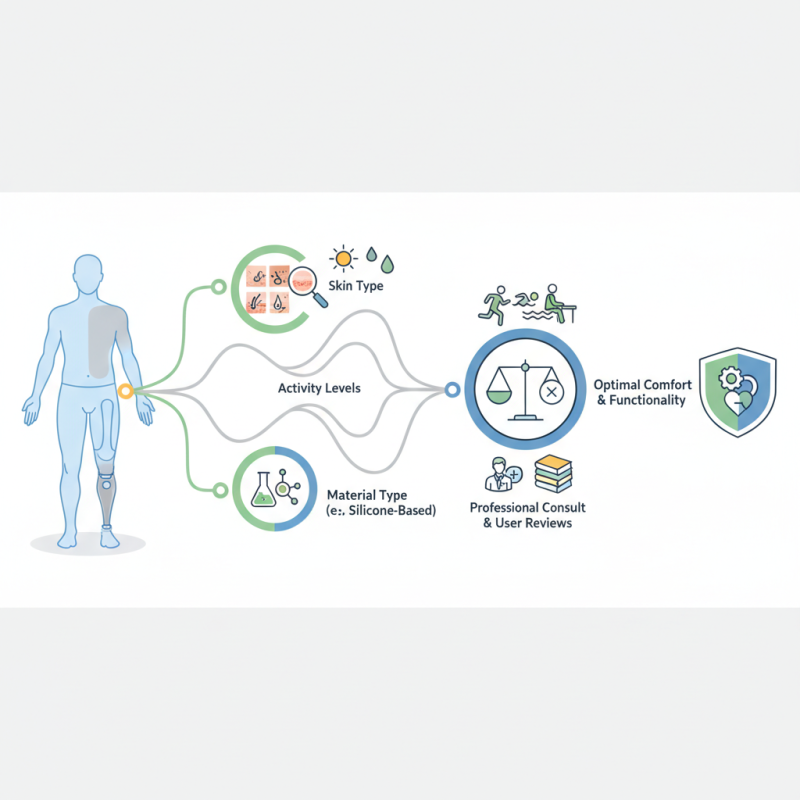
Understanding Silicone Prosthetic Adhesives: An Overview
Silicone prosthetic adhesives are essential for secure and comfortable applications. These adhesives come in various formulations to cater to different needs. Choosing the right one can significantly impact wearability and ease of use. Many users appreciate adhesives that provide a strong hold without skin irritation. Understanding the chemical composition of each product is vital for making an informed choice.
Adhesives usually contain silicone polymers, which offer flexibility and durability. These properties help create a natural feel and movement. However, some users find that specific adhesives do not adhere well to their skin type. It’s crucial to test a small area before full application. Feedback from others can guide you, but personal experience often reveals the best solution.
Consider factors like drying time and removal ease. Some adhesives take longer to set, potentially causing inconvenience. Others may require careful removal to avoid skin damage. Don’t overlook the importance of skin compatibility. An adhesive that works well for one person may not be suitable for another. Regularly reassessing your choice can lead to better outcomes.
Choosing the Best Silicone Prosthetic Adhesive
This chart displays various criteria important for selecting the best silicone prosthetic adhesive. Each criterion is rated on a scale from 1 to 10, reflecting user preference and performance expectations.
Factors to Consider When Choosing Prosthetic Adhesives
When selecting a silicone prosthetic adhesive, several factors come into play. Skin compatibility is essential. You want an adhesive that won’t irritate sensitive skin. Some adhesives may cause rashes or discomfort, which can be problematic. It's crucial to test a small patch first. This simple step can save you from a painful experience.
Another consideration is the adhesive’s bonding strength. A strong bond is necessary for daily activities. However, if the adhesive is too strong, it may damage the prosthetic or skin during removal. Strike a balance that suits your lifestyle. Check how long the bond lasts before needing reapplication.
Climate can also influence adhesive performance. Humidity and temperature fluctuations may affect how well the Silicone Adhesive adheres to the skin. Consider your environment when making a choice. Lastly, consult with professionals. Their insights can guide you toward the best option for your unique needs. Choices may seem overwhelming, but taking time to reflect on these factors will lead to better outcomes.
Types of Silicone Adhesives: A Comparative Guide
Choosing the right Silicone Adhesive can be daunting. Understanding the types available is crucial. There are generally two main categories: hypoallergenic and standard options. Hypoallergenic adhesives are often recommended for sensitive skin. They minimize the risk of irritation. On the other hand, standard adhesives offer strong adhesion for various applications.
When comparing silicone adhesives, bonding strength is a critical factor. Some may excel in holding prosthetics securely, while others might fall short. Rv Silicone Adhesive is known for its reliability in demanding situations. However, not every adhesive is created equal. Users might find that certain products work better for specific body parts.
Durability matters too. Some adhesives may last longer under various conditions and temperatures. Others could degrade or lose effectiveness over time, leading to potential discomfort. Evaluating the longevity of each type is essential. Testing small sections can also provide insight. This practical approach helps identify the most suitable adhesive. In the end, personal experiences with different options will shape the best choice for individual needs.
How to Choose the Best Silicone Prosthetic Adhesive for Your Needs? - Types of Silicone Adhesives: A Comparative Guide
| Adhesive Type | Bonding Strength | Drying Time | Skin Compatibility | Price Range |
| Medical-Grade Silicone Adhesive | High | 15-30 minutes | Hypoallergenic | $25 - $40 |
| Silicone Adhesive Gel | Moderate | 10-20 minutes | Sensitive skin compatible | $15 - $30 |
| Clear Silicone Adhesive | Low to Moderate | 20-40 minutes | Safe for all skin types | $10 - $25 |
| Heavy-Duty Silicone Adhesive | Very High | 30-60 minutes | May irritate sensitive skin | $35 - $50 |
Skin Compatibility and Allergies: What to Look For
When choosing a silicone prosthetic adhesive, skin compatibility is crucial. Many users encounter skin allergies, which can significantly affect their experience. A study indicates that nearly 30% of users face some form of skin reaction when using adhesives. It’s essential to find products that undergo rigorous dermatological testing.
Look for silicone adhesives that feature hypoallergenic formulas. Many professionals recommend contacting dermatologists to get tailored advice based on individual skin types. Furthermore, products with a certified skin compatibility label are usually more reliable. An analysis from the Journal of Prosthetics and Orthotics shows that well-formulated adhesives can reduce the likelihood of irritation.
Many consumers make the mistake of prioritizing bond strength over skin health. While a strong hold is essential, the adhesive must not compromise skin integrity. Users should pay attention to warnings about common allergens, such as fragrances or specific chemical compounds. A personal patch test can also help assess any potential reactions before fully committing to a product. Always be cautious, as what works for one person may not work for another.
Application Methods and Techniques for Silicone Adhesives
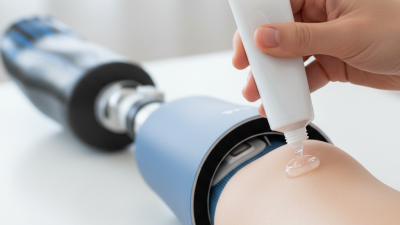
Choosing the right application method is vital when using silicone prosthetic adhesives. Each technique can lead to different results. So, understanding various approaches can help ensure optimal adhesion. One common method is direct application. This involves using the adhesive straight from the tube onto the surface. It works well for smaller areas but can get messy.
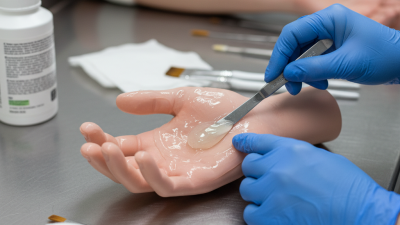
For larger surfaces, using a brush or spatula might be better. This allows for even distribution, avoiding clumps. Make sure to apply it smoothly, as inconsistencies can affect adhesion. Some users prefer to use a roller for an even layer. But this method requires practice to master.
Temperature plays a role too. Warmer environments can speed up drying time but may affect the adhesive's performance. Experiment with your surroundings to find the best conditions. If you notice the adhesive peeling off, reflect on your application technique. Rethink the amount used or the pressure applied. Precision is key in achieving long-lasting results. Always remember, practice will improve your technique over time.
Durability and Water Resistance: Evaluating Adhesive Strength
When selecting silicone prosthetic adhesives, consider their durability and water resistance. A strong adhesive is essential for ensuring your prosthetic stays securely attached. Water resistance plays a key role in maintaining adhesive strength, especially for those in active environments. Look for products designed specifically for this use; they often include features that enhance performance in wet conditions.
Tips: Test the adhesive on a small area first. This step can help you gauge its effectiveness. Each adhesive performs differently based on skin type and activity level. Gather feedback from others with similar needs to make informed decisions.
Many adhesives, such as Uv Silicone Adhesive, require careful application for optimal results. Improper use may lead to peeling or loss of bond. Before application, ensure skin is clean and dry. It’s vital to read instructions and allow adequate curing time. This reflective practice can prevent future frustrations. Consider your lifestyle and how the adhesive is likely to hold up in everyday scenarios.
How to Maintain and Remove Silicone Prosthetic Adhesives Safely
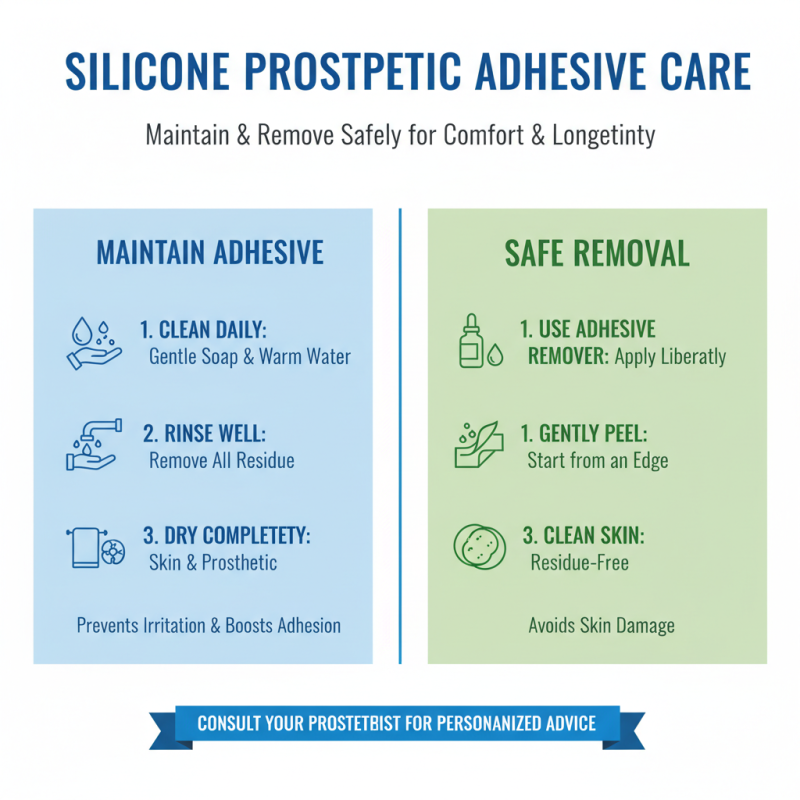
Maintaining silicone prosthetic adhesives is crucial for both comfort and longevity. Regular cleaning is essential to avoid skin irritation and ensure proper adhesion. Use a gentle soap and warm water to cleanse the skin and the prosthetic. Rinse thoroughly to remove any residue. Dry the area completely before reapplying the adhesive. This simple routine can prevent issues and enhance the adhesive's effectiveness.
Removing silicone prosthetic adhesives can be tricky. First, avoid pulling the prosthetic off swiftly, as this can cause skin damage. Instead, gently lift one edge and introduce a non-adhesive silicone product to ease the removal. This can reduce discomfort and minimize skin stress. Some users find it helpful to apply oil-based removers, which can further soften the adhesive bond.
It’s important to listen to your body during this process. If irritation arises, it could indicate an allergy or sensitivity to the adhesive. Regularly assess how your skin reacts to different types of silicone products. Remember, not all silicone adhesives suit everyone. Be open to experimenting with various options to find the ideal solution for your needs.
The Ultimate Guide to SG-793 Silicone Sealant: Protecting Aluminum Composite Panels for Lasting Durability
In modern architecture, aluminum composite panels are increasingly chosen for their combination of lightweight structure, aesthetic versatility, and durable performance. These panels offer an ideal solution for curtain wall systems, enhancing building facades while delivering significant longevity. However, the effectiveness of aluminum composite panels heavily relies on the proper treatment of their joints. When these joints are inadequately sealed, it can lead to aesthetic issues and a reduced lifespan of the structure, making it essential to employ high-quality sealing materials.
To ensure the longevity and appearance of aluminum composite panel installations, the use of specialized silicone sealants is crucial. A top-tier silicone weatherproof sealant designed specifically for aluminum composite panels offers superior bonding strength, exceptional weather resistance, and waterproof capabilities. This specialized sealant forms a robust barrier, protecting the joints from environmental factors such as wind, rain, and UV exposure. By providing reliable sealing and safeguarding these critical areas, architects and builders can maintain the aesthetic value and structural integrity of their buildings, ensuring they remain visually appealing and resilient over time.
FAQS
: Skin compatibility is crucial. Many users experience allergies, so select products with dermatological testing.
Studies show nearly 30% of users face skin reactions. Choosing the right product can help avoid this issue.
Look for hypoallergenic formulas and those with skin compatibility labels for more reliable options.
Not necessarily. Bond strength is important, but it shouldn't compromise skin integrity.
A personal patch test can help assess reactions before fully committing to a product.
Water resistance maintains adhesive strength, especially for active users. It helps the adhesive stay securely attached.
Test on a small area first. Ensure skin is clean and dry for optimal results.
Each adhesive performs differently, so gather feedback from others to make informed decisions.
Improper use can lead to peeling or loss of bond. Always follow the instructions carefully.
Consider how active you are and the conditions you face. This impacts how well the adhesive holds up over time.
Conclusion
Choosing the right Silicone Prosthetic Adhesive is essential for ensuring comfort and effectiveness when using prosthetics. This article provides an overview of silicone prosthetic adhesives, highlighting key factors to consider such as skin compatibility, allergies, and the various types available. It emphasizes the importance of evaluating adhesive strength, durability, and water resistance, which are critical for daily wear.
Additionally, the article discusses the application methods and techniques for silicone adhesives, helping users achieve optimal results. Proper maintenance and safe removal of silicone prosthetic adhesives are also covered, ensuring that users can enjoy maximum comfort and functionality. By understanding these elements, individuals can make informed decisions tailored to their specific needs in selecting the best silicone prosthetic adhesive.