You know, Double Tape Rubber has really become a key player across all sorts of industries lately. Its versatility and the way it sticks—well, it’s pretty impressive. I read somewhere that, according to this recent market report by Research and Markets, the global market for double-sided tape is expected to hit nearly $25 billion by 2025, growing at about 6% annually. That’s a big deal! The main drivers are industries like automotive, construction, and electronics—places where you need really dependable bonding solutions.
Sengu (Shandong) New Materials Co., Ltd. is well aware of this trend. They’re putting a lot into R&D to stay ahead. Their campus spans almost 100 acres, and they’re all about creating safe, eco-friendly, and long-lasting home décor options—using materials like Double Tape Rubber to boost product quality. As these industries keep changing and evolving, I think we’re only gonna see Double Tape Rubber become even more important in the market, meeting the needs of all these dynamic sectors.
Understanding the Composition and Properties of Double Tape Rubber
Double tape rubber is a pretty interesting adhesive material. It’s unique in what it’s made of and how it works, which makes it useful in all kinds of industries. Basically, it's got a rubber-based adhesive layer, and sometimes they add fillers and polymers to give it a boost. Recently, there’s been a lot of research into tweaking these rubber mixes to make them stick even better on their own. For example, adding diatomite and some of its modifications can really boost how well silicone-based pressure-sensitive adhesives work—so they stick stronger and last longer, especially when durability matters.
When you look at its physical traits, double tape rubber is super elastic, flexible, and tough against tension. That’s why it’s popular in cars, construction projects, and electronics. And it’s no surprise that demand for hi-tech adhesives like this is climbing steadily. Experts say the global market might hit around $60 billion by 2025. Plus, this rubber is pretty versatile—it can handle high temps or wet conditions without breaking a sweat, which makes it super important in today’s manufacturing. As industries keep pushing forward, understanding what’s in materials like this and how it works will be key to creating better, more efficient products.
What is Double Tape Rubber and How is it Used in Various Industries
| Property | Description | Applications |
| Adhesive Strength | High initial tack and peel adhesion, suitable for various surfaces. | Automotive, electronics, and construction. |
| Temperature Resistance | Effective in a wide range of temperatures, typically from -20°C to 70°C (or higher). | HVAC systems, household appliances. |
| Flexibility | Maintains elasticity, allowing for bonding on irregular surfaces. | Art and craft, packaging. |
| Durability | Long-lasting adhesive properties under various conditions. | Construction, transportation. |
| Environmental Resistance | Resistant to moisture, UV light, and chemicals. | Outdoor applications, signage, and displays. |
Key Applications of Double Tape Rubber in the Construction Industry
Double tape rubber is pretty awesome stuff, really versatile and super handy in construction. People often use it for sealing up joints and gaps because it sticks well and can bend without breaking. That's especially important for buildings exposed to all kinds of weather — rain, wind, you name it. It creates a tight barrier against moisture and air sneaking in, which is a big deal for keeping energy costs down. So, in a way, it's like giving your building a reliable shield.
On top of that, double tape rubber is great for mounting things and sticking materials together. You’ll find it often used to secure insulation panels, drywall, and other building parts — without the mess you'd get with liquid adhesives. Plus, its cushioning quality comes in handy for absorbing vibrations. That makes it perfect in spots where stuff might shift or wiggle, like in flooring or wall setups. Honestly, its durability and how easy it is to work with make it a staple in modern construction — it’s just pretty much an all-rounder.
Key Applications of Double Tape Rubber in the Construction Industry
Double Tape Rubber: Utilization in Automotive Manufacturing and Repair
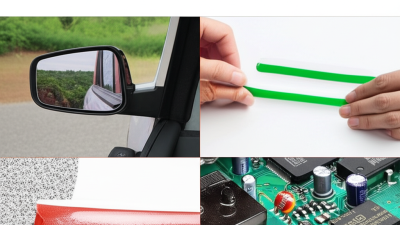
You know, double tape rubber has really become a must-have in the automotive world. It’s loved for its unique properties and how versatile it is. Basically, this special adhesive tape is great for sticking surfaces together tightly—whether it’s securing trim and moldings or mounting sensors and other components. It’s just reliable stuff that not only looks good but also makes vehicles more durable. Honestly, it’s a game-changer for making cars look sharp and stand up to the test of time.
And here’s the thing—markets for automotive adhesive tapes are booming, and manufacturers are really jumping on the bandwagon with double tape rubber because it works so well. It’s super easy to apply, and it can handle all sorts of environmental challenges like weather and temperature changes. This means repairs hold up longer, which in turn means less hassle and lower maintenance costs. As cars get more high-tech and lightweight, this kind of tape is going to be even more important. Plus, since it’s reusable and recyclable, it helps make the whole industry a bit more eco-friendly. All in all, double tape rubber is set to be a key player in the future of vehicle manufacturing and repair—pretty exciting stuff, right?
Innovative Uses of Double Tape Rubber in Electronics and Tech
You know, double tape rubber is really making waves in the electronics and tech world lately. It’s such a handy adhesive because of its fantastic stickiness, flexibility, and durability. Honestly, you’ll find it being used for everything—from holding down components inside gadgets to giving products a cleaner, more polished look. In the electronics scene, it’s pretty common to see double tape rubber used to stick screens, sensors, and circuit boards securely in place. Plus, it handles temperature swings and vibrations like a champ, so those tiny parts stay put no matter what.
Oh, a quick tip if you’re planning to use it: make sure the surfaces are nice and clean and dry before you stick it on—that really helps it stick better in the long run. And don’t forget to pick the right thickness for your project. Sometimes a thicker tape can give you extra cushioning—especially if you’re dealing with heavier or uneven parts.
What’s cool is that double tape rubber is also becoming a favorite in smart devices because it not only supports structures but also insulates. Its squishy nature lets it conform to odd surfaces, which is a huge plus when trying to fit different tech pieces together smoothly. As companies keep pushing the boundaries with new designs, I bet we’re going to see even more cool uses and new formulas for this stuff.
And one more thing—check the temperature and humidity ratings of the tape before you use it, especially if your device is going to be in different environments. That way, you keep things working perfectly, no matter where you take it.
Advantages of Double Tape Rubber for Home and DIY Projects
Double tape rubber is honestly such a handy material to have around. It's super versatile and offers great sticking power and durability for all kinds of home and DIY projects. One of the best things about it is how easy it is to use—no need for a bunch of tools or messy glue. You can just stick it on, and you're good to go! That makes it perfect for quick jobs like hanging up photos, fixing loose things, or even a little crafting here and there. And because it sticks so well, it works on different surfaces—stuff like wood, plastic, or metal—so you can rely on it for a variety of fixes.
Besides being user-friendly, double tape rubber is pretty flexible and tough enough to handle different environmental conditions. So whether you're working inside or outside, it’s up for the challenge—standing up to changes in temperature and humidity without breaking a sweat. Plus, its shock-absorbing qualities come in handy for protecting delicate items, which is a lifesaver if you're dealing with fragile materials. Overall, this stuff really makes life easier—it's a practical, reliable choice for lots of different projects. It’s great for homeowners and DIYers alike, giving you the confidence to get your tasks done without any hassle.
Tips for Choosing the Right Double Tape Rubber for Your Needs
When you're picking out double tape rubber for your specific project, it's pretty important to think about what you're actually going to use it for. Different jobs call for different things—some might need strong sticking power, more flexibility, or resistance to the elements. For instance, if you're working with cars, you'll probably want something that can handle high temperatures and stands up to wear and tear. On the other hand, if you're doing crafts or fixing things around the house, ease of use and being able to reposition the tape easily are likely what you need. Getting a good handle on what your project really requires will help you find a tape that sticks well and can handle the demands of what you're working on.
Another thing to keep in mind is the thickness of the tape and what kind of backing it has. Generally, thicker tapes tend to support heavier loads, making them better suited for tough jobs, while the thinner ones might be perfect for more delicate surfaces or detailed designs. Plus, double tape rubber comes with different backing materials—like foam or film—which serve different purposes. Some might offer moisture resistance, others just look better. So, taking a close look at these options will really help you pick the right one so it performs well in your specific application.
FAQS
: Double tape rubber is primarily used for sealing joints and gaps, which provides a reliable barrier against moisture and air infiltration, enhancing energy efficiency. It is also used for mounting and bonding applications, such as attaching insulation panels and drywall, while absorbing vibrations.
By ensuring airtight and watertight seals, double tape rubber minimizes air and moisture infiltration, which helps to reduce heating and cooling costs in structures exposed to varying weather conditions.
Double tape rubber is used to attach screens, sensors, and circuit boards, ensuring that components remain securely fastened even under temperature fluctuations and vibrations. It also provides structural support and insulation for smart devices.
It is important to ensure that surfaces are clean and dry before application to enhance adhesive effectiveness. Additionally, the thickness of the tape should be considered based on project requirements, with thicker tapes offering better cushioning for heavier components.
When selecting double tape rubber, consider the intended application, as different industries require varying levels of adhesive strength, flexibility, and environmental resistance.
Thicker tapes typically offer greater load-bearing capabilities for heavy-duty applications, while thinner tapes are better for delicate surfaces. Backing materials, such as foam or film, can provide moisture resistance and enhance aesthetic appeal.
Checking the temperature and humidity ratings is essential to ensure optimal performance of the tape under varying environmental conditions, which is particularly important for electronic devices that may be used in diverse settings.
Conclusion
Double Tape Rubber is honestly one of those versatile materials that you keep running into across different industries. Its unique blend of properties—like that super strong adhesive and durability—really makes it a go-to, especially in construction. You know, when you need to secure stuff or make sure everything stays solid, this stuff does the trick. It’s also pretty popular in car manufacturing and repair shops; it helps put together parts and keeps things sealed up tight. And in the tech world—like electronics—it’s used in all kinds of clever ways, from assembling gadgets to managing cables without a fuss.
Plus, if you’re into DIY projects or just sprucing up your home, Double Tape Rubber is a favorite because it’s straightforward to work with and actually works well. Sengu (Shandong) New Materials Co., Ltd. really gets the importance of making safe and eco-friendly products, and they see just how useful Double Tape Rubber can be when you’re fixing up or decorating your space. When you choose this stuff, just think about what you need it for—making sure you match it to your particular project will give you the best results, no doubt.