Picking the right Silicone Prosthetic Adhesive is super important if you rely on prosthetics — it really affects how comfortable and functional your day-to-day life is. Did you know that, according to a report from the National Center for Biotechnology Information, using the wrong adhesive can cause skin irritation and discomfort for more than half of prosthetic users? That just goes to show how vital it is to choose a product that’s reliable and comfortable to wear? At Sengu (Shandong) New Materials Co., Ltd., we totally get how crucial high-quality materials are for making life easier for prosthetic wearers. We’re all about creating safe, eco-friendly, and long-lasting solutions for home decoration, but that same commitment extends to our Silicone Prosthetic Adhesives.
Our team combines research, development, and production to make sure our adhesives don’t just meet the standards — they go beyond, ensuring maximum comfort and functionality for those who rely on them.
Understanding the Importance of Choosing the Right Silicone Prosthetic Adhesive
When you're picking out a silicone prosthetic adhesive, it’s pretty important to understand why choosing the right one really matters, especially if you want to stay comfortable. Silicone prosthetics can do wonders for folks who need them, making a big difference in their day-to-day life. But honestly, how effective they are often depends a lot on the adhesive you use.
A good adhesive should not just stick the prosthetic securely, but also be gentle on your skin—so no irritations or allergic reactions. Since prosthetics are pretty sensitive items, honestly, taking the time to find a reliable, comfortable adhesive is totally worth it.
Lately, there’s been talk about different silicone products out there, and it’s kinda worrying—especially with some of the risks linked to lower-quality options, like in cosmetic procedures such as breast augmentation. The media has been highlighting cases where cheap silicone caused issues, which just goes to show how important it is to pick products you can trust.
So, if you’re considering adhesives, it’s a smart move to do your homework—stick with reputable brands that put safety and comfort first. With the right adhesive, you can enjoy your prosthetic devices without stressing about your health or compromising how they look. Ultimately, it’s all about finding that sweet spot between comfort, safety, and confidence in your choice.
Key Ingredients to Look for in Silicone Prosthetic Adhesives
When you're choosing a silicone prosthetic adhesive, understanding what’s inside it is pretty important if you want to stay comfortable. Honestly, it'd be a good idea to go for adhesives that use medical-grade silicone—that stuff is made to stick well without irritating your skin too much. And if your skin tends to be sensitive or you're worried about allergies, definitely look for options that are hypoallergenic. That way, you're lowering the chances of any nasty reactions.
Another thing to keep an eye on is whether the adhesive has conditioning ingredients. These can really make a difference—they not only help the glue work better but also keep your skin hydrated and protected. Products with moisturizers or skin-repairing elements can make a big difference, especially if you're wearing the prosthetic for a long time. Bottom line? Focusing on these key ingredients means you'll get a secure hold that's also comfortable to wear—so you can feel good and confident without any fuss.
Optimal Silicone Prosthetic Adhesives - Key Ingredients Comparison
Evaluating Adhesive Performance: Duration, Flexibility, and Skin Sensitivity
When you're picking out the right silicone prosthetic adhesive, it's really important to think about a few key things—like how long it lasts, how flexible it is, and whether it’s gentle on your skin. Basically, the best adhesive should stick well for a long time without causing discomfort. Lately, there’s been some pretty cool stuff happening with hydrogel tech—stuff that’s super exciting. For instance, there are now ultra-stretchy, self-adhesive hydrogels that not only move with your skin but also have great strength and stick really well to different surfaces. This means your prosthetics can stay firmly in place, even if you're moving around a lot or doing active stuff.
On top of that, using skin-friendly, biocompatible materials helps with sensitivity issues. With antibacterial and weather-resistant hydrogels, the chances of irritation or allergic reactions go down—so they’re perfect for wearing over the long haul. All these advances show just how important it is to choose an adhesive that strikes the right balance between being strong and being kind to your skin. That way, you can go about your daily activities confidently, knowing your prosthetic is comfy and stays put.
Tips for Testing Adhesive Comfort Before Full Application
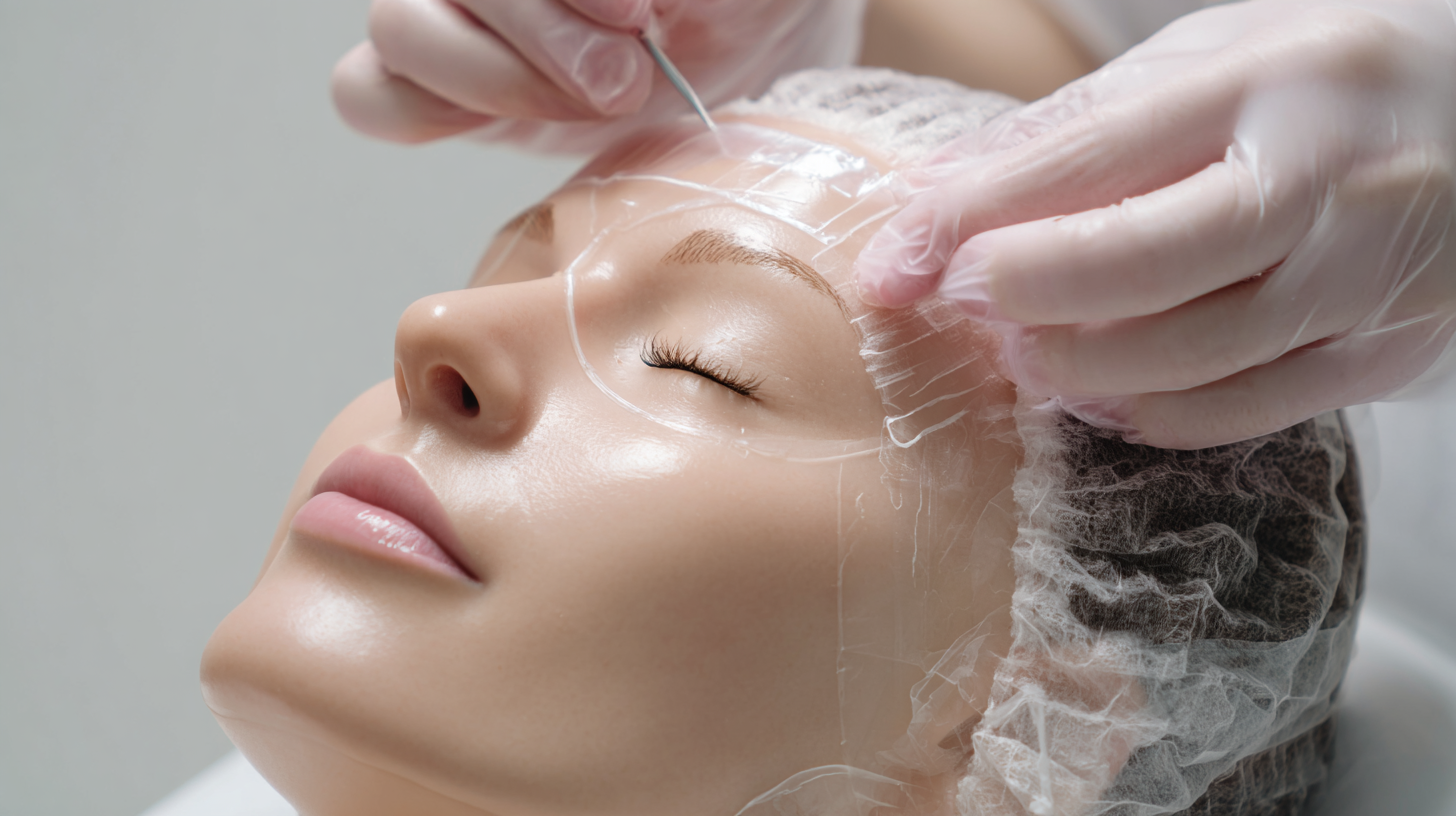 When you're choosing a silicone prosthetic adhesive, making sure it's comfortable should really be at the top of your list. Before going all in with the full application, I definitely recommend trying it out on a small patch of skin first. That quick little test can save you from a lot of discomfort later on. Just put a tiny bit of adhesive on, and then keep an eye on it for about 24 hours — it’s a simple step, but super important to see if your skin reacts badly or if there’s any irritation. Trust me, taking this extra moment can make a big difference in how you feel during longer wear.
Also, don’t forget to pay attention to the texture and flexibility of the adhesive when testing it out. Some formulas can feel pretty stiff, which might lead to pressure points and discomfort, especially if you’re moving around or being active. So, try bending, stretching, or even moving a bit — see how it feels against your skin. Ideally, you want an adhesive that sticks well but stays comfy, so you can wear your prosthetic confidently all day long. Putting in this little bit of effort to test things out really helps you find the perfect match for your needs — trust me, it’s worth it!
Comparing Popular Brands: Which Silicone Prosthetic Adhesive Works Best?
Choosing a silicone prosthetic adhesive can honestly feel a bit overwhelming with so many options out there these days. You see all these fancy brands claiming they have the best formulas, but how do you really pick the one that’s gonna work best for you? A good starting point is to think about what your prosthesis specifically needs. Different adhesives are made for different materials and skin types, so it’s smart to find one that matches your prosthetic and your personal sensitivities—nobody wants irritation or it coming loose halfway through the day!
Another thing to keep in mind is how long the adhesive lasts and how comfortable it feels. You want something that can stick around for hours without causing discomfort. The best silicone prosthetic adhesives should give you flexibility and move with you, not just hold on tight but make you feel like you’re wearing a second skin. Oh, and don’t forget to check out user reviews and ratings—those real-life experiences can be super helpful and often tell you more than the manufacturer’s claims. When you focus on comfort and how easy it is to use, you’re more likely to have a positive overall experience with your prosthetic.
7 Essential Tips for Choosing the Right Silicone Prosthetic Adhesive for Optimal Comfort
| Feature | Adhesive A | Adhesive B | Adhesive C | Adhesive D |
| Adhesion Strength | Strong | Medium | Strong | Weak |
| Drying Time | 5 mins | 10 mins | 7 mins | 15 mins |
| Skin Compatibility | Excellent | Good | Excellent | Fair |
| Water Resistance | High | Medium | High | Low |
| Ease of Removal | Easy | Moderate | Easy | Difficult |
| Price Range | $20 - $30 | $15 - $25 | $25 - $35 | $10 - $20 |
Maintenance Tips for Prolonging the Life of Your Silicone Adhesive
Hey, if you're using silicone prosthetic adhesives, taking good care of them really makes a difference in how long they last and how comfortable they feel. I read in the Journal of Prosthetics and Orthotics that cleaning the adhesive area regularly can actually help prevent skin irritation and can even make your adhesive last up to 30% longer. So, after each use, it’s a good idea to gently wash the adhesive with some mild soap and water, then let it dry completely before putting it on again. Honestly, just this simple step can really boost the performance and stop it from breaking down too soon.
Also, how you store your adhesives matters too. A study from the Journal of Biomedical Materials Research points out that exposing silicone to heat and humidity can weaken it, which in turn reduces how well it sticks. So, your best bet? Keep your adhesive in a cool, dry spot, away from direct sunlight. If you follow these easy tips, you’ll help keep your silicone prosthetic adhesives working their best—making your experience more comfortable and hassle-free.
Enhancing Building Durability: The Benefits of SG-793 Special Silicone Sealant for Aluminum Composite Panels
In the realm of modern architecture, aluminum composite panels have surged in popularity for their lightweight structure, aesthetic versatility, and impressive durability. According to a report by the Global Market Insights, the aluminum composite panel market is projected to grow at a CAGR of over 6% from 2021 to 2027, driven largely by the increasing demand for innovative building solutions. However, the effectiveness of these panels is significantly influenced by the handling of joints, which can have a direct impact on the overall durability and visual appeal of the facade.
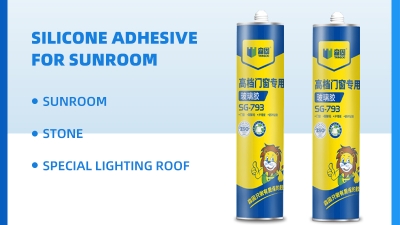
To ensure that buildings maintain their pristine appearance and structural integrity, the SG-793 Special Silicone Sealant emerges as an essential component in the installation process of aluminum composite panels. This advanced sealant is engineered specifically for weatherproofing and sealing, boasting superior weather resistance and bonding strength. With an exceptional waterproof performance, the SG-793 sealant effectively combats the detrimental effects of wind and rain, safeguarding the joints of curtain walls and extending the lifespan of the entire system.
Independent studies highlight that buildings using high-quality sealants like SG-793 can experience up to a 50% reduction in maintenance costs over their lifetime. This makes it not just a smart choice for aesthetics but also a financially sound investment. With the right products in place, architects and builders can ensure aluminum composite structures remain as good as new, resisting the elements while enhancing the building's overall durability.
FAQS
: The key factors to evaluate are duration, flexibility, and skin sensitivity.
Hydrogel technology offers ultra-stretchable, self-adhesive properties that conform to skin movements while providing high mechanical strength and superior adhesion.
Biocompatible materials like antibacterial and environmentally resistant hydrogels help minimize irritation and allergic reactions, making them suitable for long-term wear.
Consider the specific requirements of your prosthesis, including the materials and your skin type, to choose an adhesive that is tailored to your needs and sensitivities.
Look for products that offer extended wear while maintaining comfort, allowing for movement and flexibility without losing the secure bond.
User reviews and ratings provide valuable insights into the real-life performance of adhesives beyond the manufacturer's claims, helping to inform a better choice.
Choosing an adhesive that balances robustness with skin-friendly characteristics allows users to engage confidently in daily activities without discomfort.
No, different adhesives have unique formulas designed for varying materials and skin types, so it’s essential to choose one that suits your specific needs.
A good silicone prosthetic adhesive should offer a secure bond while allowing for flexibility and movement, ensuring it stays in place during a wide range of activities.
Conclusion
Picking the right silicone prosthetic adhesive really matters if you want to stay comfortable and get the most out of your prosthetic. It’s pretty important to pay attention to what's in the adhesive and how it performs—things like how long it lasts, how flexible it stays, and whether it irritates your skin. Honestly, before you commit to a full application, it's a good idea to test it out first and see how it feels. That way, you can be sure it fits your needs.
Also, taking some time to compare a few popular brands can really help you find which silicone prosthetic adhesive is both reliable and effective. And don’t forget—regular upkeep can make your adhesive last way longer. At Sengu (Shandong) New Materials Co., Ltd., we're all about creating safe, eco-friendly, and strong solutions that focus on your comfort and satisfaction, whether it’s for home use or prosthetics. We’re dedicated to quality and innovation, always aiming to meet the different needs of our customers.