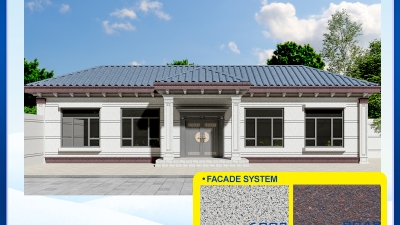
As we gear up for 2025, the world of sustainable construction is really changing, and there are some exciting innovations that are making building with eco-friendly materials so much easier. One standout in the mix? Stone Coated Tiles. These tiles manage to combine the classic charm of stone with incredible durability, all while providing smart solutions for our modern construction needs. Take Sengu (Shandong) New Materials Co., Ltd., for example—they’re a real trailblazer in this space! They’ve dedicated nearly 100 acres to advanced manufacturing and focus on mixing research and development with production and sales. Their goal? To whip up home decoration options that aren’t just safe and durable, but also kind to our environment, aligning perfectly with sustainable living. In this blog, we'll dive into the future of Stone Coated Tiles and how they're making waves in sustainable construction. We’ll see just how this innovative material can transform our homes and, at the same time, give a nod to a greener planet.
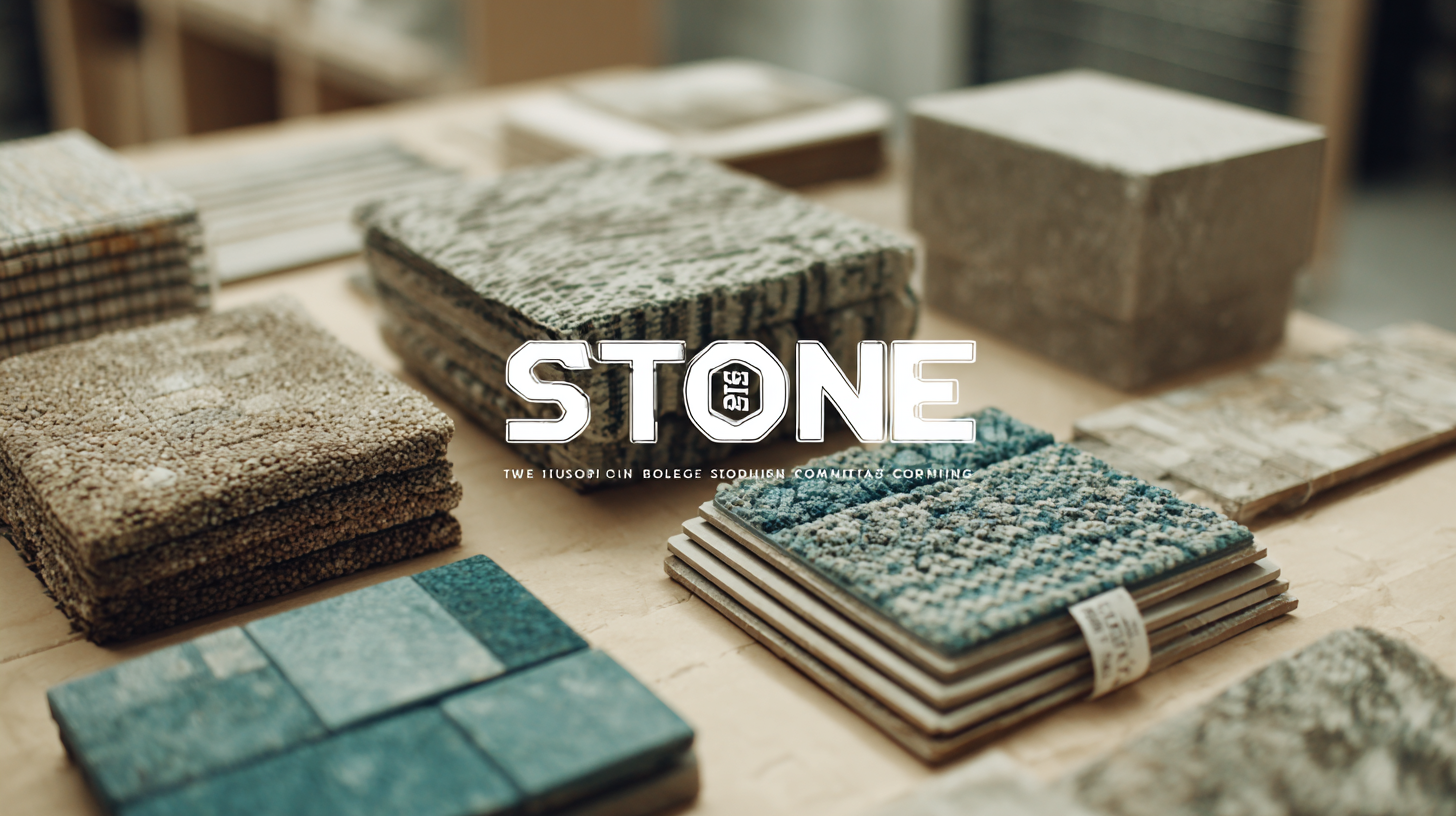
The Evolution of Stone Coated Tiles: Trends and Innovations Leading to 2025
You know, the whole stone-coated tile industry has really transformed a lot over the last ten years—it's pretty impressive, actually. A report from Global Market Insights is saying that by 2025, the demand for these tiles could soar past $3 billion, which means we're looking at an annual growth rate of over 6%. That’s no small feat! A big part of this boost comes from cool new manufacturing methods that not only make the tiles last longer but also give them a lot of style options. Oh, and it's great to see that they’re incorporating recycled materials into the mix, which fits perfectly with the current trend towards sustainable building practices.
If you look at what’s trending, there’s definitely a move towards eco-friendly designs and systems that save energy. The ceramic-coated surfaces? They’re not just tough; they really help with keeping temperatures in check, too. The International Energy Agency points out that buildings chew through almost 40% of global energy use, so making the switch to energy-efficient materials like stone-coated tiles could do wonders in cutting down that number. Plus, we've got some exciting innovations on the horizon, like self-cleaning surfaces and color retention tech that’s really changing what people are looking for. As we head towards 2025, it’s clear that stone-coated tiles are sticking around as a smart and sustainable choice for the construction industry.
Key Performance Indicators for Quality Stone Coated Tile Manufacturers
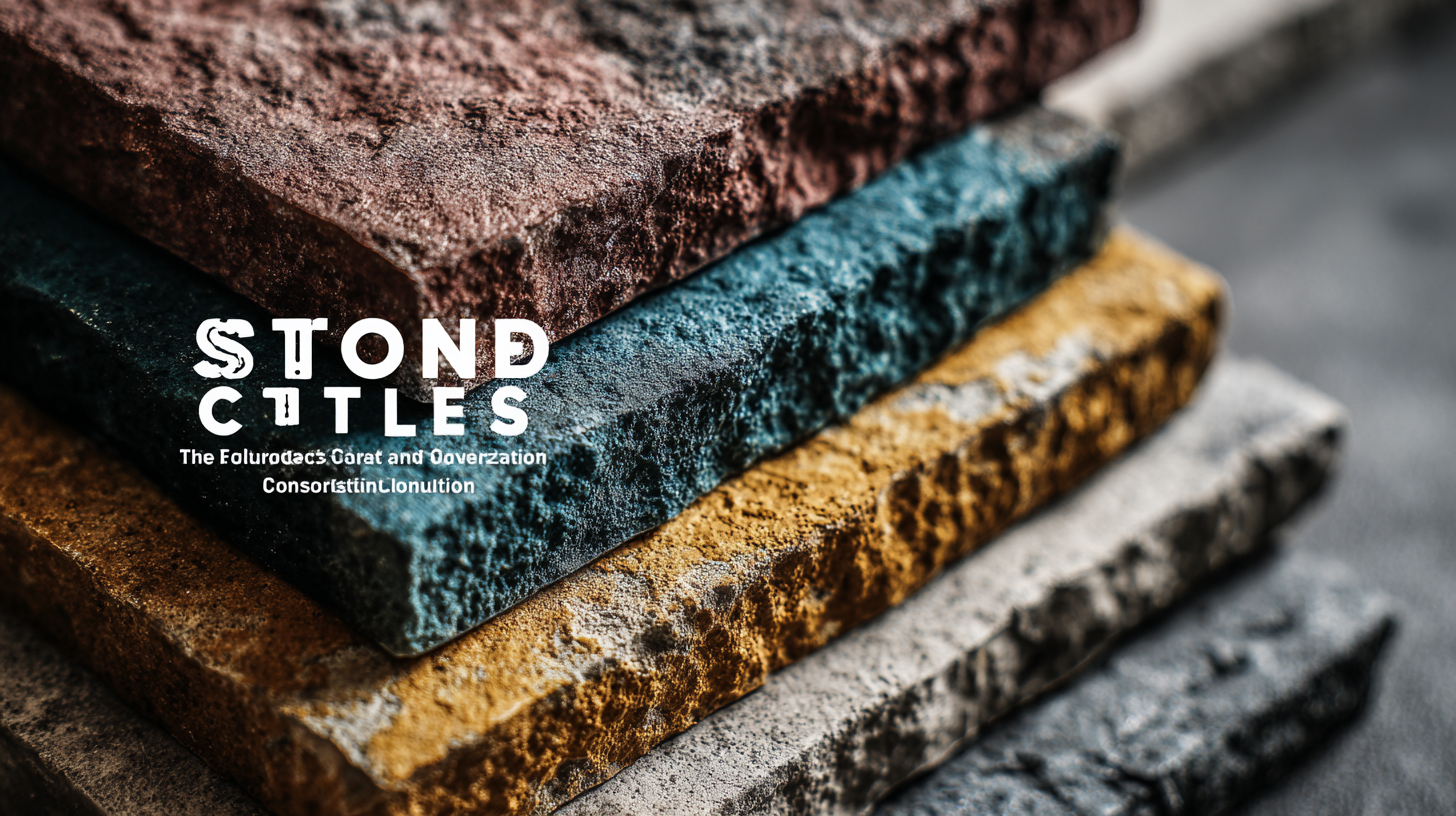 So, when you’re thinking about stone-coated tiles for a green building project, it really helps to know the key performance indicators (KPIs) that manufacturers should hit. These KPIs aren't just some jargon—they actually tell you a lot about the quality of the tiles and what kind of impact they have on the environment. Ideally, you want tiles that are super durable, can withstand changing weather, and don’t need a lot of upkeep. Plus, it's a big plus if the manufacturers are using sustainable practices—like incorporating recycled materials and keeping waste to a minimum during production.
If you want to pick the right supplier, don’t hesitate to ask them about their certifications and how they ensure quality control. Find brands that have earned recognition for their sustainability efforts—these awards often mean they really care about making dependable products. And hey, it’s also worth checking if they’re transparent about what materials they use and where they source them. This info can give you a better idea of the ecological footprint of the tiles you’re considering.
Now, if you're ready to make that purchase, here are a few handy tips: First off, get some samples so you can feel the weight and finish of the tiles—you’ll often find that gives you a clue about their quality. Then, dive into customer reviews to see how other folks felt about their purchases and any issues they ran into. Finally, don’t forget to look at the warranties! A longer warranty usually means the company is really confident in how long the tiles will last. By keeping an eye on those KPIs and following these tips, you’ll be able to make choices that are great for your building project and gentle on the planet.
Understanding the Environmental Benefits of Stone Coated Tiles in Sustainable Construction
You know, the construction industry is really starting to wake up to how important sustainable materials are, and stone-coated tiles are definitely leading the way. These tiles are made from super durable stuff and are topped with stone granules, which not only look great on buildings but also do a solid job when it comes to helping the environment. One of the coolest things about stone-coated tiles is their energy efficiency. They reflect sunlight, which means they don't soak up as much heat, and that can really cut down on cooling costs. This is especially handy in hotter climates, where traditional roofing can just hold on to that heat like it’s something precious.
Plus, the lifespan of stone-coated tiles is a game changer for sustainable building practices. Unlike standard roofing materials that seem to need replacing all the time, these tiles can handle tough weather for years—like, we're talking decades here. That’s awesome because it cuts down on waste significantly since fewer materials end up in landfills. And let’s not forget—many manufacturers are getting on board with eco-friendly production methods and using recycled materials, which really boosts the green factor of stone-coated tiles. So by using these innovative materials, the construction industry can truly take some big steps toward a more sustainable future.
Evaluating Manufacturer Certifications and Standards for Best Practices
In the evolving landscape of sustainable construction, the role of best stone coated tiles is becoming increasingly prominent. As we look towards 2025, it’s imperative to evaluate the certifications and standards set by manufacturers to ensure that these products not only meet aesthetic requirements but also align with environmentally responsible practices. Various organizations provide certifications that indicate compliance with sustainability benchmarks, such as energy efficiency, recyclability, and low environmental impact during production.
When selecting stone coated tiles, builders and homeowners should pay close attention to these certifications. For instance, tiles marked with labels from reputable standards organizations demonstrate adherence to strict guidelines for material sourcing and manufacturing processes. This not only fosters trust in the quality of the product but also encourages broader industry shifts towards more sustainable practices. As stakeholders become more aware of the environmental implications of their choices, certified products will likely stand out as preferable options in the market. By prioritizing manufacturers that commit to sustainability, the construction industry can make significant strides towards a greener future.
Embracing 2025: The Future of Best Stone Coated Tiles and Their Impact on Sustainable Construction
| Dimension | Data |
| Market Growth Rate by 2025 | 15% CAGR |
| Percentage of Recycled Materials | 30% |
| Energy Savings Compared to Traditional Tiles | 25% |
| Manufacturer Certifications Prevalence | 70% |
| Customer Satisfaction Rate | 85% |
| Average Lifespan of Stone Coated Tiles | 50 years |
| Impact on Urban Heat Island Effect | Reduces by 10% |
| Adoption Rate in Sustainable Projects | 60% |
Market Analysis: Demand for Quality Stone Coated Tiles in the Next Decade
Looking ahead to 2025, it's pretty clear that the market for stone coated tiles is going to take off. People are becoming more interested in sustainable building materials, and it’s not just consumers—builders are in on it too! Stone coated tiles are catching their eye because they offer a perfect mix of style and durability. Companies like Sengu (Shandong) New Materials Co., Ltd. are really leading the way here, using cutting-edge research and production techniques to whip up some impressive, eco-friendly decorations for our homes.
If you're in the building business and want to tap into this booming market, it's super important to choose materials that not only stand the test of time but also are environmentally responsible. A good rule of thumb when picking out stone coated tiles is to look for products with eco-certifications—the ones that are all about keeping that carbon footprint low. And collaborating with manufacturers that really prioritize sustainability, like Sengu, can make a big difference in how positively your project impacts the environment.
Going forward, the trend of quality stone coated tiles is likely to be shaped by what consumers want: unique aesthetics and a responsible approach to the environment. It’s essential for folks in the industry to innovate with designs that not only catch the eye but also commit to durability and sustainability. Doing so won’t just meet what customers are looking for, but it’ll also play a big part in shaping the future of construction in a good way.
Best Practices for Selecting Reliable Suppliers in the Stone Coating Industry
When selecting reliable suppliers in the stone coating industry, it’s essential to prioritize quality and sustainability. Start by researching suppliers’ credentials and certifications that reflect their commitment to eco-friendly practices. Vendors with ISO certifications or similar can often ensure that their products meet stringent environmental standards. Moreover, look for suppliers that offer transparency about their sourcing and manufacturing processes, as this information helps assess their sustainability efforts.
Another tip is to evaluate suppliers based on their product range and innovation. A well-established supplier should provide a variety of stone-coated tiles that meet different aesthetic and functional needs. Check if they invest in research and development to enhance product durability and sustainability. Additionally, engage with their customer service—responsive and knowledgeable support can often indicate a supplier's reliability.
Lastly, consider gathering feedback from other contractors and customers who have worked with various suppliers. Reviews and testimonials can provide valuable insights into the performance and dependability of the suppliers you are considering. By focusing on these criteria, you can make informed decisions that align with your commitment to sustainable construction practices.
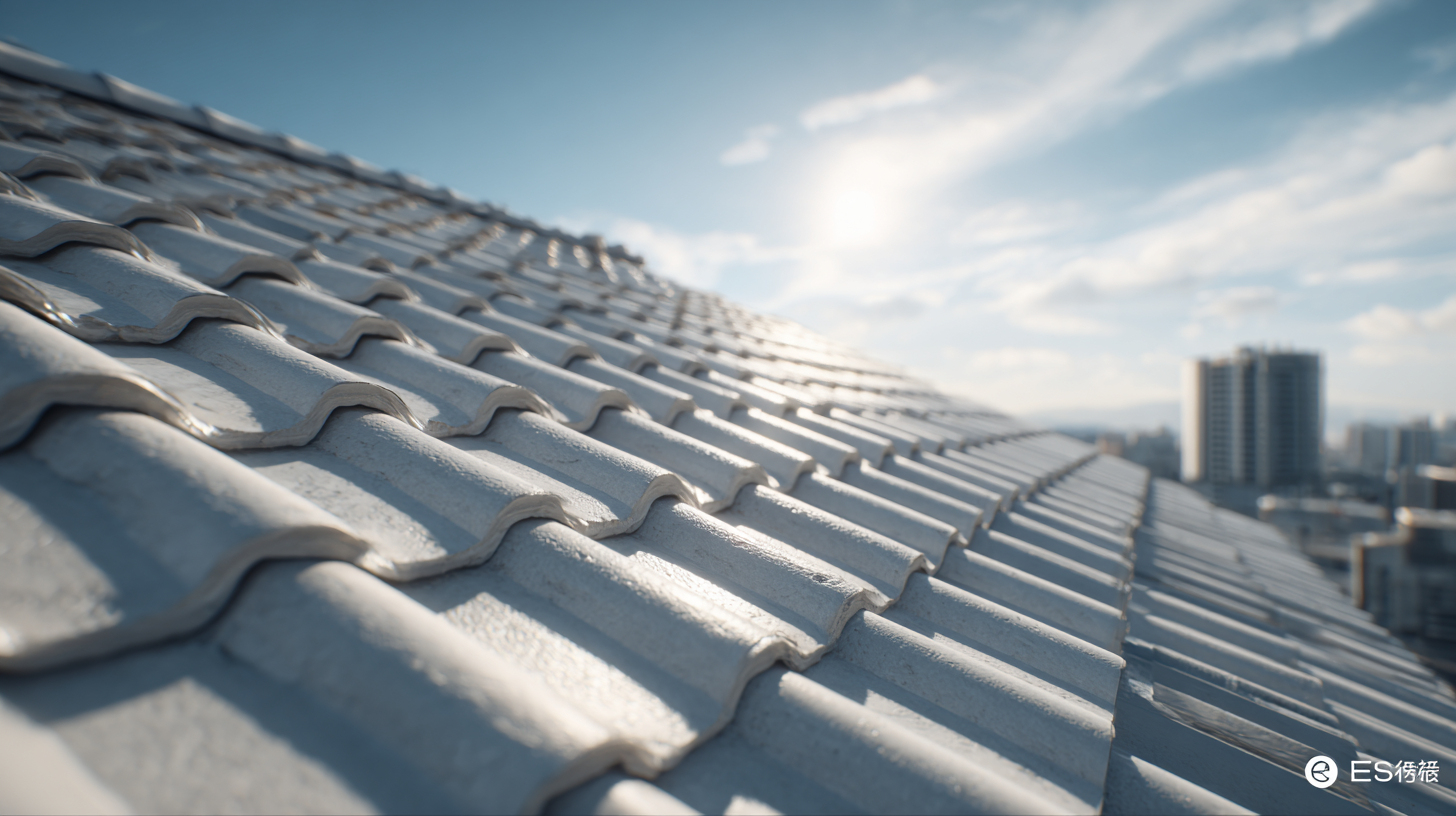
Unveiling the Luminescence: How Brilliant Crystal Stone Imitation Paint Transforms Architectural Aesthetics
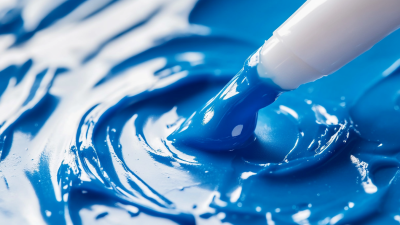
In the realm of architectural aesthetics, the fusion of nature's beauty with modern design is a captivating endeavor. Unveiling the luminescence of Brilliant Crystal Stone Imitation Paint, we discover a remarkable solution that transcends traditional exterior wall decoration. This innovative paint mimics the exquisite texture and luster of natural stone, allowing buildings to exude an aura of elegance and sophistication. By incorporating this stunning material, architects and designers can elevate the visual appeal of any structure, making it a true standout within its urban landscape.
What sets Brilliant Crystal Stone Imitation Paint apart is not just its high-end aesthetic appeal, but also its exceptional performance. Designed with an environmentally conscious approach, this paint ensures that the beauty it brings to buildings does not compromise sustainability. Its easy application process allows for seamless integration into various architectural designs, making it a versatile choice for both new constructions and renovations. The unique luster and vibrant color palette breathe life into facades, transforming traditional walls into dynamic canvases that reflect light and create striking visual landmarks. By choosing Brilliant Crystal Stone Imitation Paint, one can achieve a contemporary look while paying homage to the timeless beauty of natural stone.
FAQS
: Stone coated tiles are crafted using innovative materials, often incorporating recycled content, which enhances their durability and aligns with sustainable construction practices.
The demand is rising due to their durability, eco-friendliness, and aesthetic versatility, alongside a growing preference for sustainable building materials in the construction industry.
Stone coated tiles, particularly those with ceramic-coated surfaces, improve thermal performance in buildings, which helps reduce overall energy consumption.
Look for key performance indicators such as durability, weather resistance, and adherence to sustainable production practices, including the use of recycled materials.
You can request samples to check the tile's weight and finish, read customer reviews for feedback, and compare warranty options, as longer warranties often indicate greater product reliability.
The market is influenced by an increasing focus on eco-friendly designs, energy-efficient systems, and consumer preferences for unique aesthetics combined with sustainable options.
The market for stone coated tiles is projected to exceed USD 3 billion by 2025, growing at an annual rate of over 6%.
Sustainability is crucial as it minimizes environmental impact; manufacturers are encouraged to utilize recycled materials and follow eco-friendly production methods.
Innovations such as self-cleaning surfaces and advanced color retention technology are enhancing consumer interest and offering practical benefits in maintenance and longevity.
By sourcing stone coated tiles that meet durability and sustainability standards, builders can enhance the environmental impact of their projects while satisfying growing consumer demands for quality materials.