Leave Your Message
When you're diving into home decorating or DIY projects, the materials you choose can really make or break the final look and how long everything lasts. Have you heard of Silicone Adhesive Dots? They've become pretty popular because they’re super versatile—they stick well but stay flexible, which is a huge deal. Industry reports actually predict that demand for silicone adhesives will keep rising at about 5.3% annually until 2027, so it’s definitely a trend worth paying attention to. Companies like Sengu (Shandong) New Materials Co., Ltd. are leading the charge, offering innovative, safe, and eco-friendly options that are designed with us in mind. Situated on nearly 100 acres, Sengu combines research, development, and manufacturing all in one place to make sure their adhesives are durable and high-performing. This guide is here to help you pick the perfect Silicone Adhesive Dots for your specific project, so you get that perfect balance of looks and functionality without any fuss.
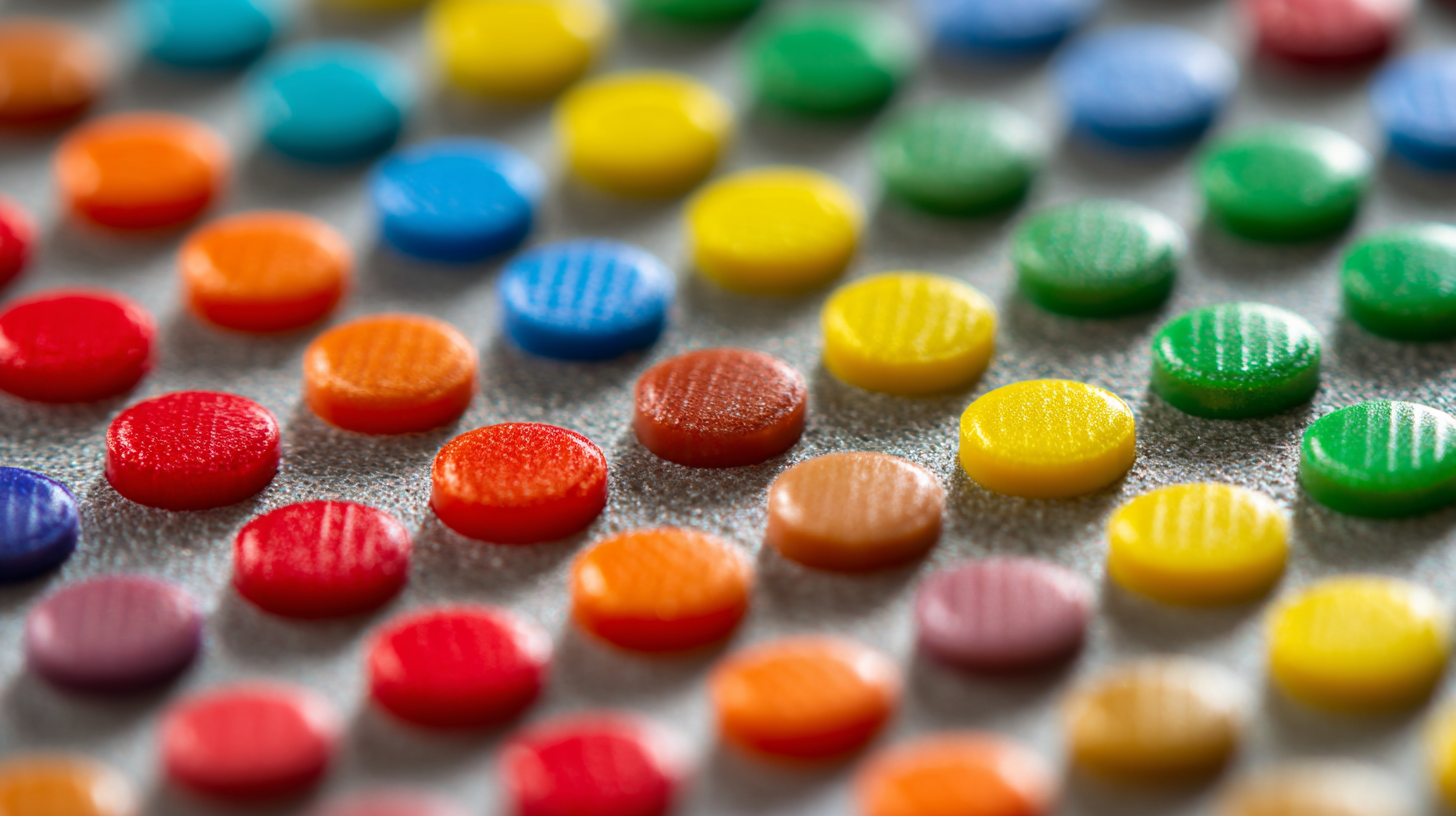
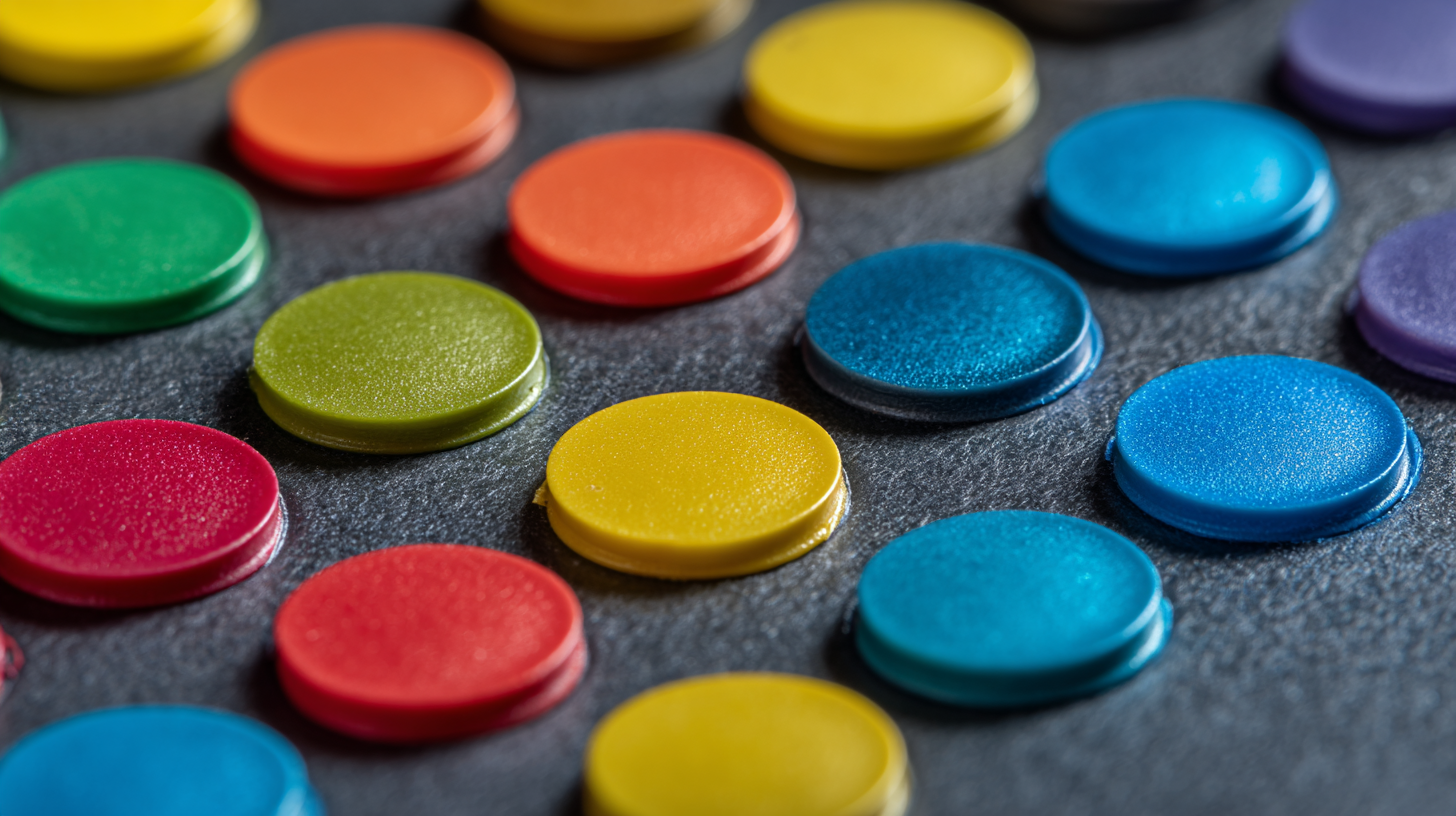
When you start exploring silicone adhesive dots, it’s really helpful to get a handle on the different kinds out there and what each one’s best suited for. These dots come in various styles, and each one is designed for specific tasks. For example, pressure-sensitive adhesive (PSA) dots are super popular in crafts and DIY projects because they’re so easy to use—no heat or glue guns needed! They stick well and are pretty reliable. And actually, if you look at the market, a report by Grand View Research said that the global adhesive market is expected to hit around $70 billion by 2026. That just shows how much demand there is for versatile adhesives like silicone dots, right?
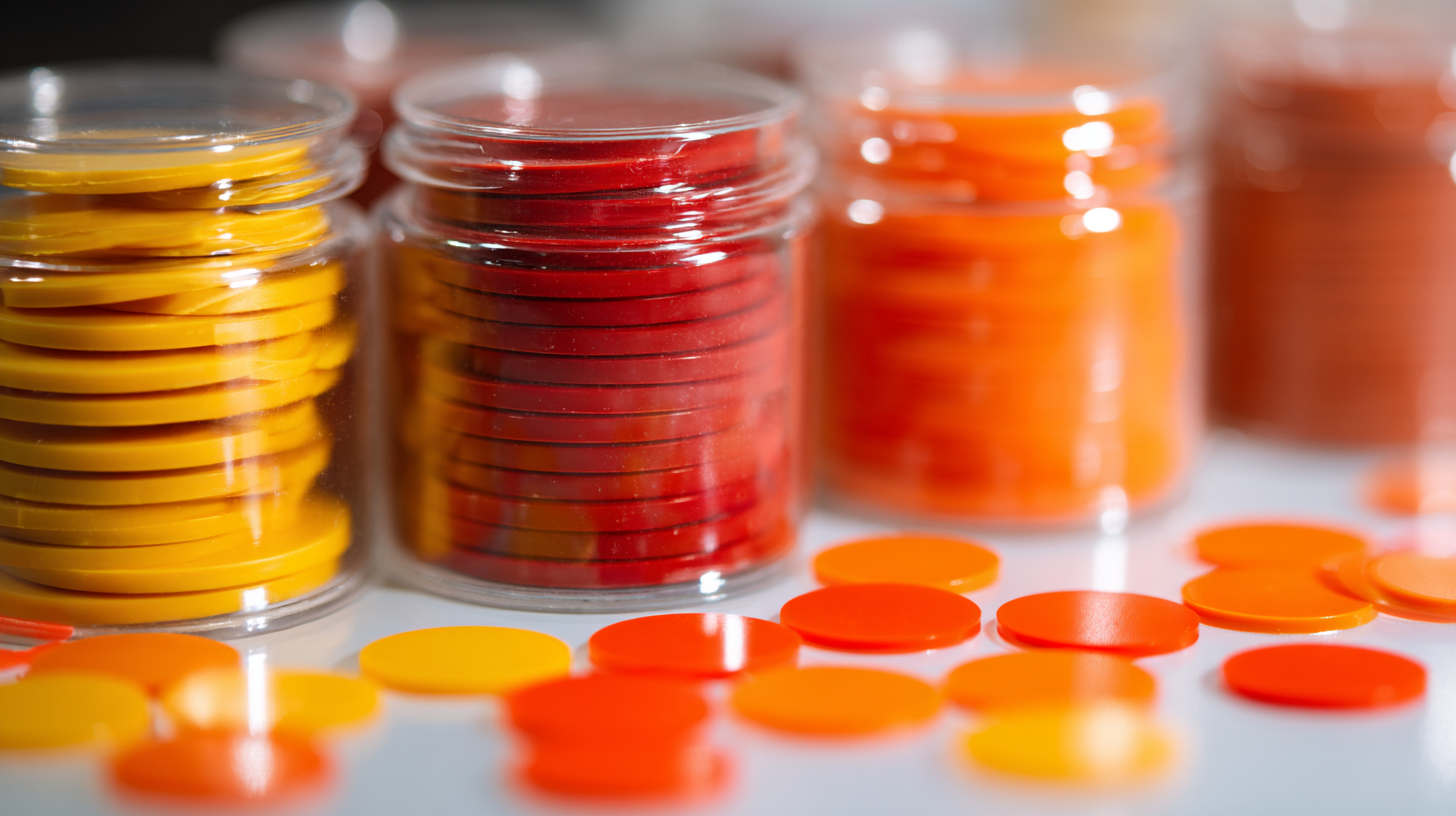
Then there are heat-activated silicone dots, which are a whole other ballgame. These need a bit of heat to really bond strongly, making them perfect for tougher jobs—think automotive repairs or construction stuff. In fact, recent data from Technavio points out that the construction adhesive market alone is expected to grow by about $4.3 billion between 2021 and 2025. It just goes to show how much more people are relying on silicone-based solutions for heavier-duty projects. Knowing the differences between these types really helps you pick the right silicone adhesive dots for whatever project you’re working on, so you can get the best results, every single time.
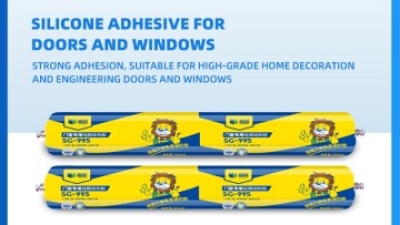
When it comes to building integrity, the importance of durable and reliable doors and windows cannot be overstated. These components are not just aesthetic elements; they play a crucial role in ensuring the safety and comfort of a home. That's where SG-995 Special Silicone Structural Sealant shines. Designed specifically for the installation and sealing of doors and windows, this sealant provides the stability that modern constructions require.
With its exceptional bonding strength, SG-995 guarantees that your doors and windows remain securely in place, effectively resisting the forces of nature. Its weather resistance feature ensures that it withstands harsh conditions, from heavy rain to extreme temperatures, without losing its integrity. This makes it an indispensable tool for builders and homeowners alike who seek to protect their investments for the long term.
In addition to its performance capabilities, SG-995 also contributes to the overall durability of the building. By providing a stable seal, it reduces the risk of air and water leaks, enhancing energy efficiency and indoor comfort. Choosing SG-995 Special Silicone Structural Sealant means choosing a product that is engineered for excellence and designed to ensure that your doors and windows not only look good but remain functional for years to come.
: Consider the required adhesive strength, size and shape of the dots, the texture of the surface, and environmental conditions such as UV-resistance and waterproofing.
Assess the weight of the materials you're using and the conditions they'll be exposed to, especially for outdoor applications, to choose a dot with appropriate adhesive strength.
Larger dots are suitable for broader surfaces, while smaller dots work better for detailed applications, so it's important to match the dot size to your specific project needs.
Different surfaces, like smooth vs. rough textures, require different adhesive characteristics. Make sure to select dots that are compatible with the texture of your application surface.
Dust, grease, and moisture can significantly reduce the effectiveness of the adhesive, so a clean and dry surface is crucial for optimal performance.
Yes, it's advisable to test the dot on a small area first to ensure it performs well with your specific materials and surfaces before proceeding with the full application.
Start with a clean and dry surface, choose the right size and strength of dots, and follow the manufacturer's instructions for optimal adhesion and durability.
Many manufacturers, like Sengu (Shandong) New Materials Co., Ltd., focus on producing adhesive solutions that are safe and environmentally friendly, ensuring quality and sustainability.
Selecting silicone adhesive dots that are UV-resistant and waterproof enhances the longevity and durability of your project, making them more resilient to environmental factors.
If you experience problems, double-check that the surface was properly prepared, reconsider the dot size and strength, or consult the manufacturer's guidelines for troubleshooting advice.
In our 'Ultimate Guide to Choosing the Right Silicone Adhesive Dots for Your Project,' we dive into the different kinds of silicone adhesive dots out there and what you should keep in mind when picking the right one. Knowing what makes each brand unique can really help you find the perfect product for your specific needs. Plus, we've thrown in some fun ideas for how to use silicone adhesive dots—think home decor, DIY crafts, or just adding a little extra flair—you might find some inspiration for so many different projects!
Getting the application right is super important if you want the best results, so we've also shared some handy tips along with common mistakes to watch out for. Here at Sengu (Shandong) New Materials Co., Ltd., we're all about providing safe, eco-friendly options. Our silicone adhesive dots are designed to be durable and effective, so you can trust they're up to the job for whatever you're working on.