When it comes to crafting, getting a good handle on Hot Melt Silicone can really take your projects to the next level. I was chatting with Max Carter, who’s pretty much a go-to expert in adhesive tech at CraftBond Innovations, and he mentioned, “The versatility and super-strong bonds of Hot Melt Silicone make it a must-have for everyone—from newbies just starting out to seasoned pros.” That really highlights how important it is to get to know this material, because once you do, a whole bunch of creative possibilities opens up.
If you're just starting out with Hot Melt Silicone, it’s inches and tips like the right applicator and knowing how to get the best adhesion that can make all the difference. Trust me, having a good grip on the basics can save you a lot of time and materials, plus make your final piece look way better. In this guide, I’m gonna share the top ten tips that every beginner should know to level up their skills and feel more confident in their projects. With a little guidance, you'll be surprised at what you can create—beautiful, sturdy, and totally personalized crafts that show off your style.
So, don’t worry if you’re new to this—everyone starts somewhere. Just follow these tips, stay patient, and keep experimenting. Before you know it, you’ll be making stuff that not only looks great but holds up over time too!
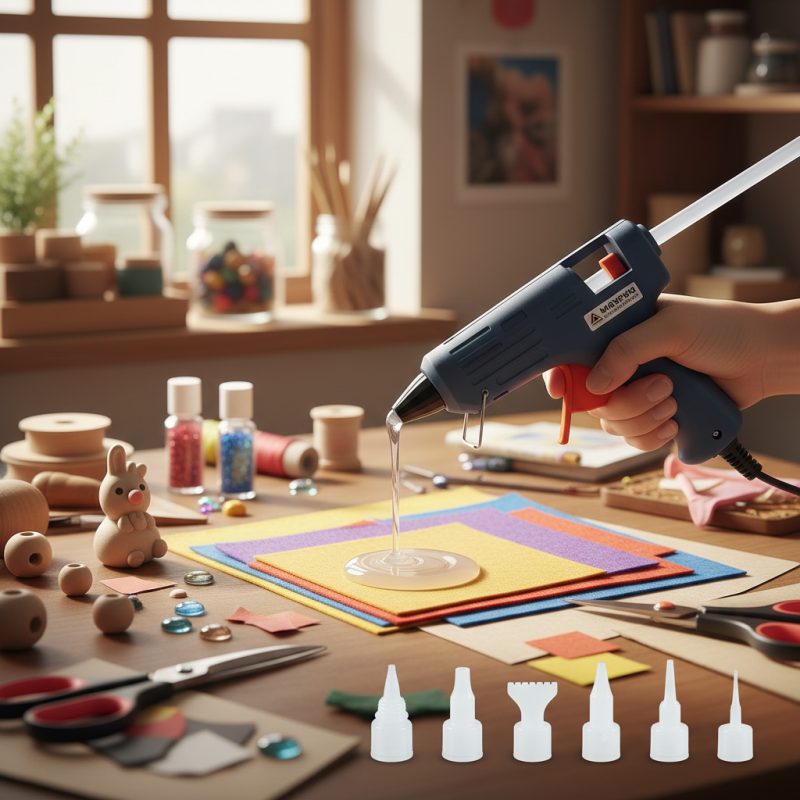
Hot melt silicone crafting has gained immense popularity among DIY enthusiasts and professional crafters alike due to its versatility and ease of use. To embark on your hot melt silicone journey, it's essential to equip yourself with the right tools. A quality hot melt glue gun is the cornerstone of your crafting kit. According to a recent industry report, the global adhesive market is projected to reach USD 64 billion by 2025, indicating a robust growth spurred by innovations in adhesive technologies, among which hot melt adhesives are prominent.
In addition to a reliable glue gun, silicone sticks are fundamental supplies. These sticks come in various formulations, designed for different applications, from bonding intricate materials to supporting larger projects. Research shows that the efficiency of hot melt Silicone Adhesives can lead to application speeds that are significantly faster than traditional adhesive methods, enhancing productivity for crafters. Furthermore, pairing your hot melt silicone with silicone molds allows for efficient casting and shaping, giving you the ability to create unique designs seamlessly. Investing in these essential tools not only boosts your crafting potential but also prepares you for a range of creative projects, from home decor to personalized gifts.
Hot melt silicone is a versatile adhesive that comes in various forms, each designed for specific crafting applications. Understanding the different types of hot melt silicone can significantly enhance your crafting experience. The most common types include standard hot melt silicone, low-temperature silicone, and high-performance silicone. Standard hot melt silicone is ideal for general crafting tasks and offers a strong bond on various materials, making it a favorite among beginners.
Low-temperature silicone, on the other hand, is perfect for delicate materials that could be damaged by heat. This type allows crafters to work with fabrics, lace, or paper without worry. In contrast, high-performance silicone is engineered for heavy-duty tasks and provides a robust bond that can withstand extreme conditions, making it beneficial for outdoor projects.
By understanding these types, beginners can make informed choices about which hot melt silicone is best suited for their specific crafting needs, leading to more successful outcomes and a more enjoyable crafting process.
When working with hot melt silicone, prioritizing safety is essential to ensure a smooth and enjoyable crafting experience. Before beginning any project, always wear appropriate personal protective equipment (PPE). A pair of heat-resistant gloves can help prevent burns from accidental contact with hot silicone, while safety goggles will protect your eyes from any accidental splashes. It’s also advisable to work in a well-ventilated area, as the fumes emitted during application can be harmful if inhaled for extended periods.
In addition to protective gear, being mindful of your workspace is crucial. Keep a clean and organized crafting area to reduce the risk of accidents. Ensure that your hot melt glue gun is placed on a stable surface and never leave it unattended while plugged in. Also, always use the glue in the recommended temperature range to avoid overheating, which can lead to dangerous situations. By following these safety precautions, beginners can engage in their crafting projects with confidence, minimizing potential hazards associated with hot melt silicone.
Hot melt silicone is a versatile adhesive widely used in various crafting applications. For beginners, mastering the basic techniques of applying hot melt silicone can significantly enhance their crafting experience. One essential technique is understanding temperature control. Research indicates that the optimal application temperature for most hot melt silicones ranges from 350 to 400 degrees Fahrenheit. This ensures that the adhesive flows smoothly and forms a strong bond upon cooling. Using a glue gun with adjustable temperature settings allows crafters to experiment and find the best conditions for their specific projects.
Another vital technique is choosing the right nozzle size for the glue gun. Reports suggest that using a finer nozzle can help control the flow of silicone, making it easier to apply on intricate designs or small parts. This precision helps in achieving clean lines and reduces waste, enabling more efficient crafting. Proper surface preparation is also crucial; ensuring surfaces are clean and free of dust or oils can enhance adhesion. Best practices recommend test adhering materials on scrap pieces to gauge the effectiveness of the bond before finalizing a project. By incorporating these fundamental techniques, beginners can elevate their skills and outcomes in hot melt silicone crafting.
| Tip Number | Tip Description | Application Technique | Common Mistakes |
|---|---|---|---|
| 1 | Choose the Right Hot Melt Glue Gun | Use an appropriate nozzle size for your project. | Using a low temp gun on high temp adhesives. |
| 2 | Work on a Compatible Surface | Use silicone mats for easy cleanup. | Applying on porous surfaces. |
| 3 | Understand Drying Times | Allow proper time for full adhesion. | Rushing to the next step too quickly. |
| 4 | Experiment with Colors | Mix colored silicone for unique effects. | Using incompatible colors that won’t blend. |
| 5 | Practice Safe Application | Always use protective gear like gloves. | Ignoring safety precautions. |
| 6 | Keep Your Workspace Organized | Ensure all materials are within reach. | Clutter leading to accidents. |
| 7 | Use the Right Amount of Glue | Apply an adequate amount for a strong bond. | Overapplication leading to mess. |
| 8 | Allow for Adjustments | Work quickly to reposition pieces. | Not allowing time for adjustment. |
| 9 | Test Before Final Use | Try on scraps to see how it holds. | Skipping tests on new materials. |
| 10 | Clean Your Tools Regularly | Prevent buildup for optimal performance. | Neglecting tool maintenance. |
Hot melt silicone is a versatile material that offers endless possibilities for creative projects, especially for beginners looking to enhance their crafting skills. One engaging project idea is creating custom decorations. Using hot melt silicone, you can mold seasonal ornaments or unique wall art pieces that add a personal touch to your home. By experimenting with different colors and shapes, you can develop your artistic sense and enjoy the satisfaction of seeing your creations come to life.
Another exciting project for beginners is making functional items, such as coasters or keychains. Simple designs allow for exploration of techniques like layering, embedding materials, or incorporating textures. These practical items not only serve a purpose but also make for great gifts or personal keepsakes. As you practice with hot melt silicone, you'll gain confidence in your abilities and discover the joy of crafting while creating useful everyday objects.
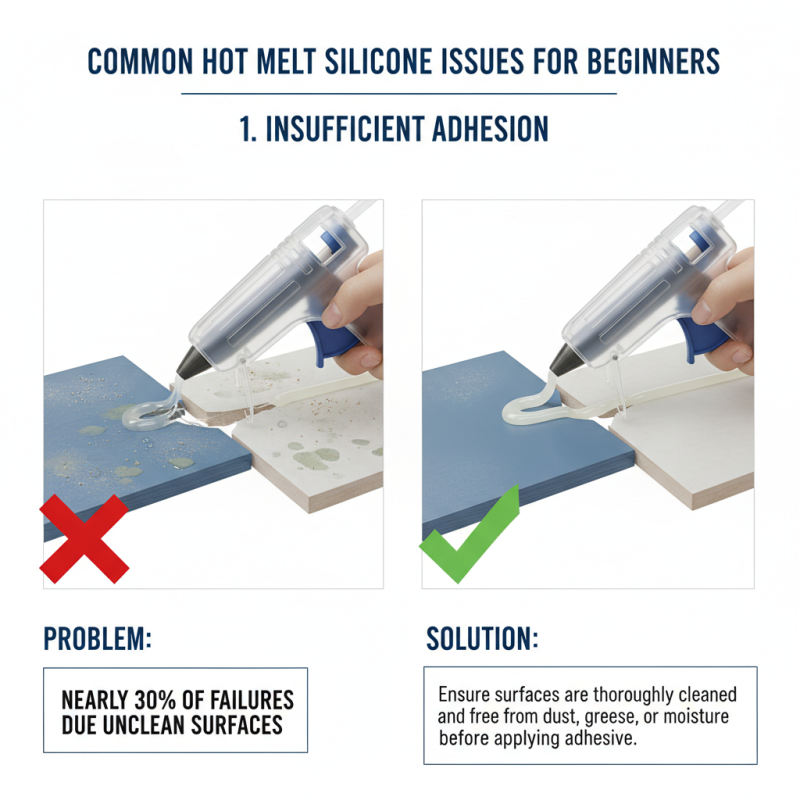
When working with hot melt silicone, beginners may encounter several common issues that can hinder their crafting experience. One prevalent problem is insufficient adhesion, which can occur due to improper surface preparation. According to industry reports, nearly 30% of ineffective hot melt applications stem from inadequate cleaning of the surfaces to be bonded, resulting in a failure to create a strong bond. To mitigate this, ensure that surfaces are thoroughly cleaned and free from dust, grease, or moisture before applying the adhesive.
Another frequent challenge is the inconsistency in the application temperature. Hot melt silicone requires precise heating to achieve optimal viscosity and bonding performance. The Adhesive and Sealant Council indicates that adhering to the manufacturer's recommended temperature range can improve bond strength by up to 50%. Beginners should invest in a reliable temperature control system and occasionally calibrate their equipment to prevent issues such as stringing or uneven application, which can significantly affect the final outcome of their projects. By addressing these common issues with focused troubleshooting, crafters can significantly enhance their skills and produce more polished results in their hot melt silicone applications.
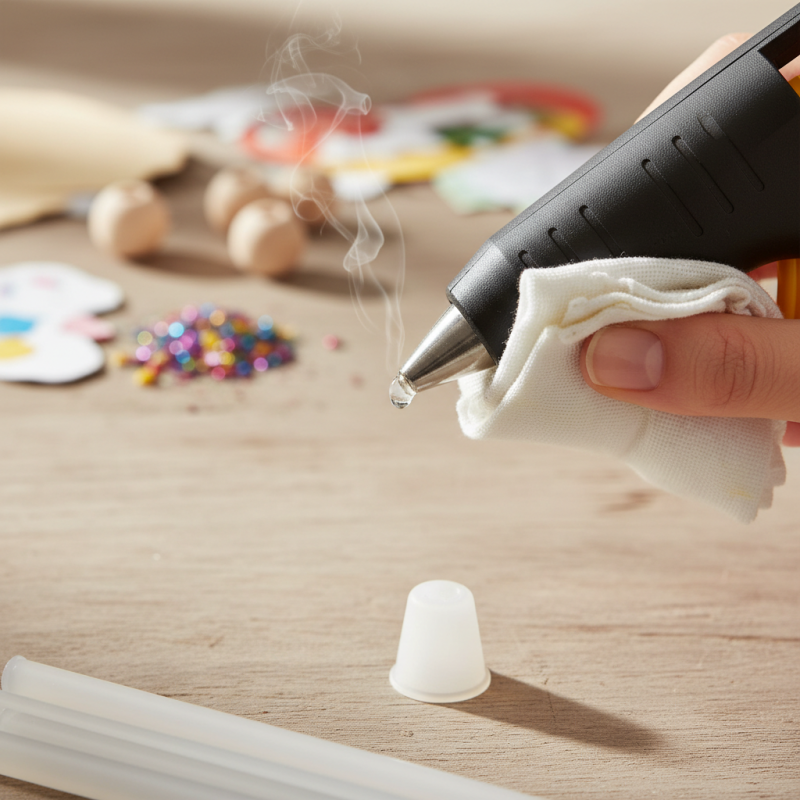
Proper maintenance and storage of your hot melt silicone supplies are essential for maximizing their usability and ensuring consistent results in your crafting projects. After every use, make sure to clean the adhesive nozzle to prevent any dried glue from clogging it, as this can hinder the application process in your next crafting session. You can achieve this by briefly heating the glue stick and gently wiping the residue with a soft cloth. Additionally, always replace the glue stick cap to avoid dust contamination and keep the adhesive in optimal condition.
For storage, designate a cool, dry place away from direct sunlight to prevent the glue sticks from degrading over time. Consider using a dedicated container or organizer to keep your hot melt Silicone Glue sticks and applicator safe and easily accessible. Labeling your storage space can also help you quickly identify supplies, especially if you work with multiple colors or types of adhesives. By following these simple maintenance and storage tips, you'll not only extend the lifespan of your hot melt silicone supplies but also elevate the overall quality of your crafting endeavors.
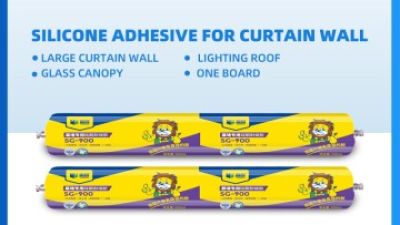
In the realm of modern architecture, maintaining the integrity of structures against the elements is paramount. Curtain walls serve as the first line of defense, acting as a barrier between the internal environment and the external world. They not only contribute to a building's aesthetic appeal but also play a critical role in ensuring the longevity and performance of the structure. The use of a high-quality weatherproof sealant is essential for enhancing the architectural integrity and enabling curtain walls to withstand harsh weather conditions.
SG-900 Special Silicone Weatherproof Sealant is engineered specifically for curtain walls, delivering exceptional weather resistance and sealing capabilities. This advanced sealant forms a robust barrier against wind, rain, and other environmental factors, ensuring that the underlying materials remain protected and intact. By effectively sealing joints and seams, it prevents moisture infiltration that can lead to structural deterioration over time. With its long-lasting performance, this sealant helps keep curtain walls looking new and functioning optimally, even in the face of challenging weather scenarios.
Utilizing a specialized weatherproof sealant like SG-900 not only boosts the performance of curtain walls but also enhances the overall resilience of the building. Architects and builders can trust in its ability to complement their designs, providing a durable solution that prioritizes both functionality and aesthetic appeal. In an era where sustainability and durability are key, the right sealing solution is indispensable for safeguarding architectural integrity against the elements.
: Hot melt silicone crafting involves using hot melt silicone adhesives to create a variety of DIY projects and crafts. It is popular among both hobbyists and professional crafters due to its versatility and ease of use.
The essential tools for hot melt silicone crafting include a quality hot melt glue gun, silicone sticks, and silicone molds to facilitate bonding, shaping, and casting different materials.
The main types of hot melt silicone include standard hot melt silicone, low-temperature silicone, and high-performance silicone, each designed for specific applications and materials.
Standard hot melt silicone is suitable for general crafting tasks and offers strong bonding on a variety of materials, making it ideal for beginners.
Low-temperature silicone is best for delicate materials that may be sensitive to heat, such as fabrics, lace, or paper.
High-performance silicone is designed for heavy-duty tasks and provides a strong bond that can withstand extreme conditions, making it suitable for outdoor projects.
Yes, beginners can make functional items such as coasters or keychains using hot melt silicone, allowing them to explore different techniques and create useful objects.
Some creative project ideas for beginners include making custom decorations like seasonal ornaments or wall art pieces, which help develop artistic skills while enjoying the crafting process.
Hot melt silicone adhesives can significantly speed up application times compared to traditional adhesives, thereby enhancing productivity in crafting projects.
Silicone molds allow for efficient casting and shaping of hot melt silicone, enabling creators to make unique designs easily and with precision.
This article provides a comprehensive guide for beginners aiming to enhance their crafting skills with Hot Melt Silicone. It covers essential tools needed for effective crafting, explains the various types of Hot Melt Silicone available, and emphasizes the importance of safety precautions while using these materials. The article also introduces basic techniques for applying Hot Melt Silicone, making it easier for novices to get started.
Additionally, it offers creative project ideas to inspire beginners and shares useful tips for troubleshooting common issues that may arise during the crafting process. Finally, it highlights the best practices for maintaining and storing Hot Melt Silicone supplies, ensuring that crafters can maximize their crafting experience. By following these guidelines, beginners will be well-equipped to create beautiful and functional projects using Hot Melt Silicone.