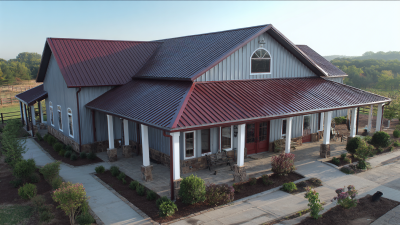
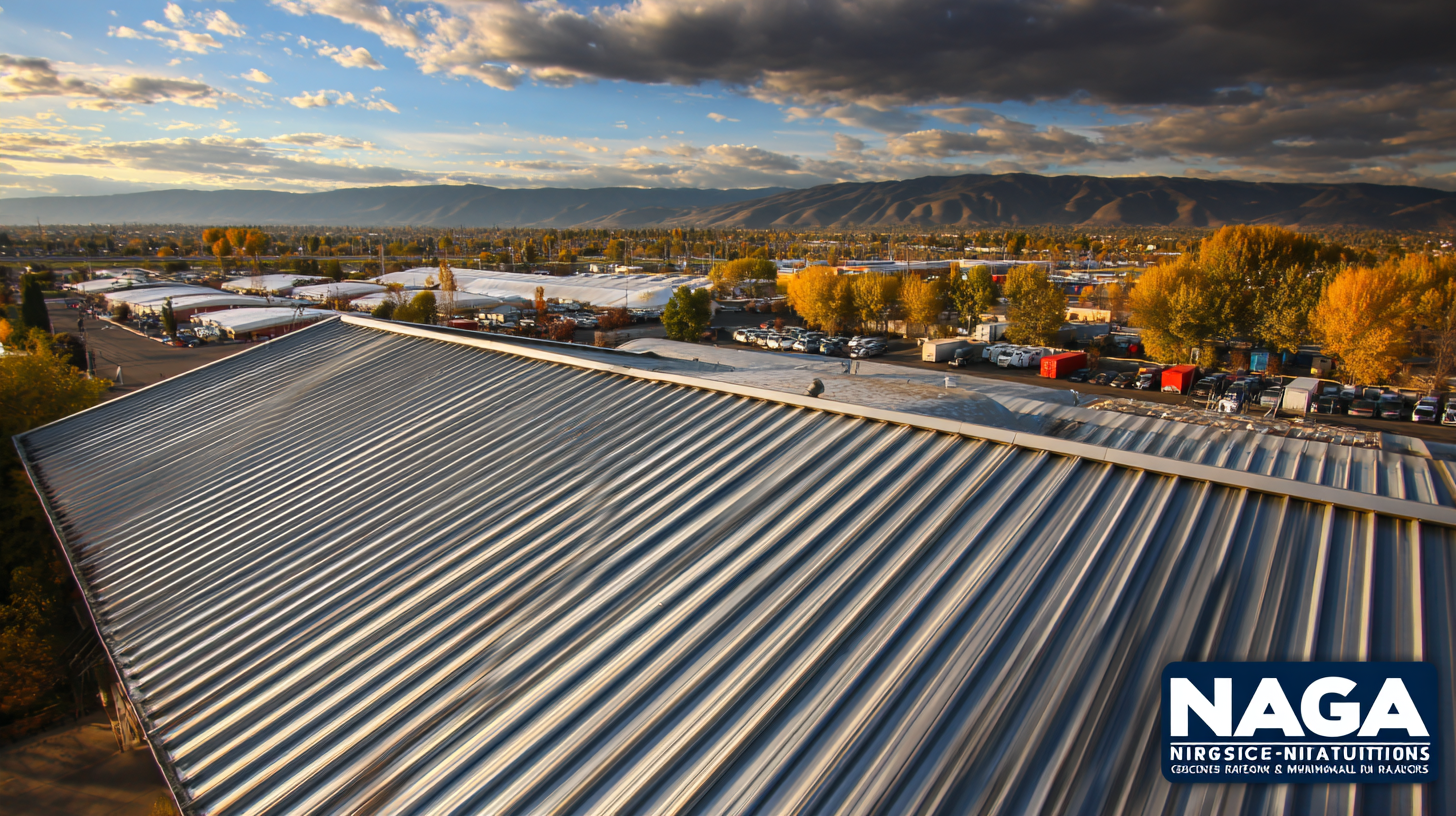
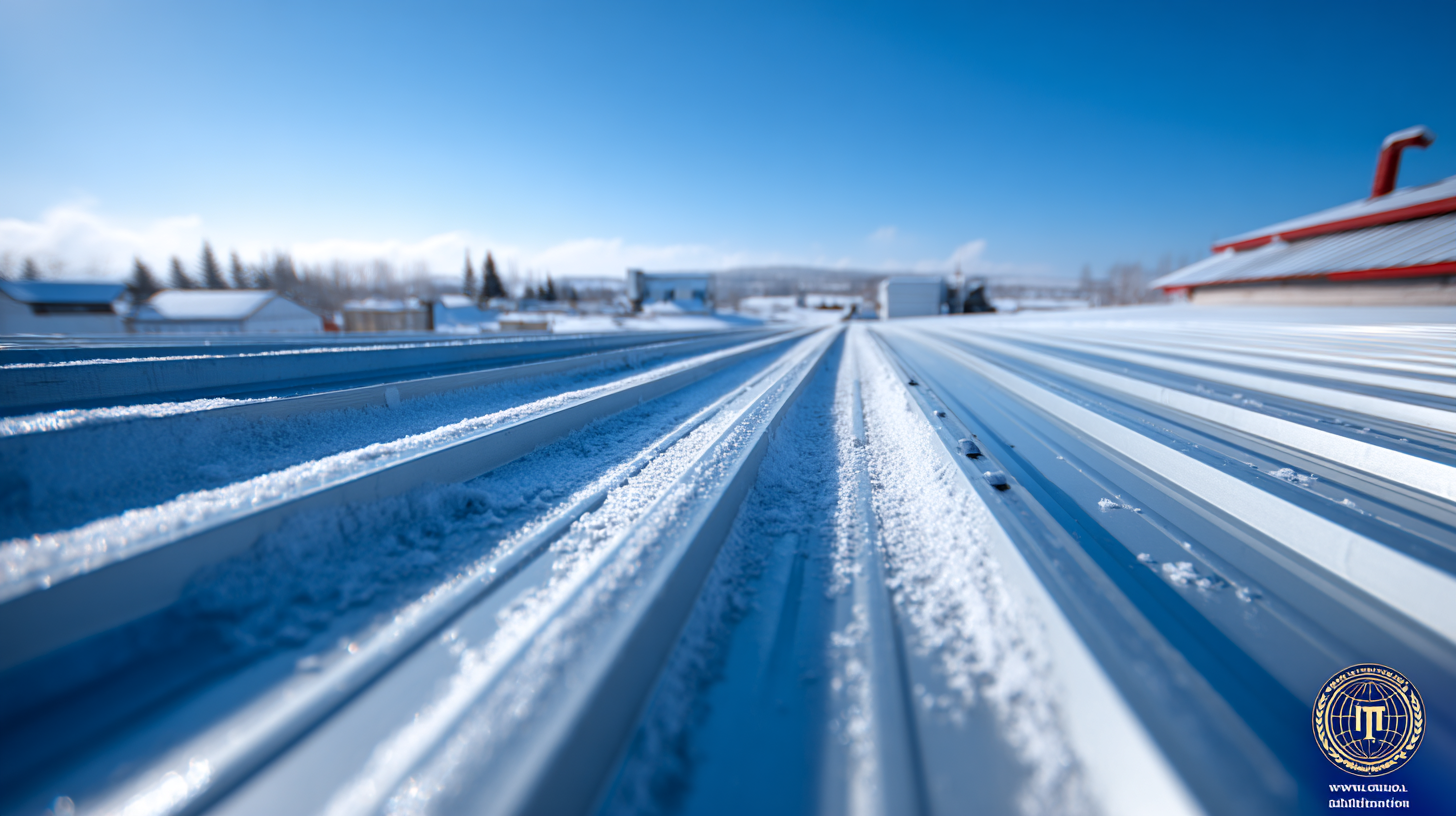
 You know, the construction industry is really changing these days, and there's a growing buzz around innovative and durable building materials, especially when it comes to roofing solutions. A recent report from the Research Institute of America even predicts that the global market for Coated Metal Roofs is gonna hit a whopping $30 billion by 2025. That’s a solid annual growth rate of about 5.5%! What’s fueling this surge? Well, it’s all about sustainability and energy efficiency, both in homes and businesses. And that's where we come in. Sengu (Shandong) New Materials Co., Ltd. has got quite the footprint, covering nearly 100 acres and really leading the charge in this shift in our industry. We're super committed to researching, developing, and producing safe and eco-friendly home decoration solutions that match this rising demand for top-notch coated metal roofs. With a solid reputation for reliability and excellence, we’re all about meeting the global market’s needs while keeping our products—proudly made in China—up to snuff in quality and performance.
Understanding Global Import Regulations for Coated Metal Roofs
As the global roof coating market keeps booming, it’s becoming super important for manufacturers and suppliers who want to break into international markets to really get the hang of import regulations for coated metal roofs. With the market expected to grow from about $8.72 billion in 2024 to around $10.16 billion by 2029—yeah, that’s a steady 3.1% annual growth—it's clear that the demand for top-notch, compliant roofing solutions is on the upswing. So, companies really need to get their heads around navigating these tricky regulatory landscapes, especially when they’re sourcing materials that meet all the specific standards that vary from one region to another.
Take India, for instance. Roofing sheets and other steel structures there have to follow some pretty strict rules laid out by the Bureau of Indian Standards (BIS). These regulations cover everything from zinc coating to paint coating thickness. Staying compliant isn’t just about ticking boxes—it also builds trust with consumers and helps in snagging those essential certifications. A great example is Sengu (Shandong) New Materials Co., Ltd. They’re really dedicated to making safe, eco-friendly, and long-lasting home decoration solutions, hitting the mark for what’s needed in today’s competitive scene by ensuring their products meet both local and international regulations.
On the innovation front, there's some cool stuff happening, like those sheet-metal homes in Reykjavik. They show how functionality can mesh perfectly with aesthetic appeal, especially when you're dealing with extreme weather conditions. So, understanding regional import regulations isn’t just about compliance; it's also about using those insights to create products that strike a chord with local markets while still following the rules. It’s kind of a win-win, right?
Key Industry Standards for Quality Assurance in Metal Roofing
When you're looking to source coated metal roofs for international markets, it's super important to really understand the key industry standards for quality assurance. These standards are what make sure the materials not only check off the regulatory boxes but also hold up against different environmental conditions. You should definitely prioritize key certifications like ASTM (that’s the American Society for Testing and Materials) and ISO (the International Organization for Standardization) if you want to ensure durability, safety, and compliance with environmental regulations.
So, here’s a little tip: make sure you check whether the roofing products meet local certifications in your target market. And don’t forget to look into any regional quirks that could impact performance—like in places that get a ton of rain, you’ll want to find coatings that have better corrosion resistance.
Plus, getting familiar with the manufacturing standards, such as using top-notch substrates and effective coating processes, can really give you peace of mind about product reliability. Teaming up with suppliers who stick to these quality benchmarks not only builds trust but also helps you steer clear of any headaches that come from sourcing subpar materials.
Another tip? Build a solid relationship with your producers. Look for those who are open about their manufacturing practices and can show you the documentation that proves they comply with all the standards. Regular audits and even on-site inspections are great ways to keep that quality assurance standard high.
How to Choose the Right Coating Material for Different Climates
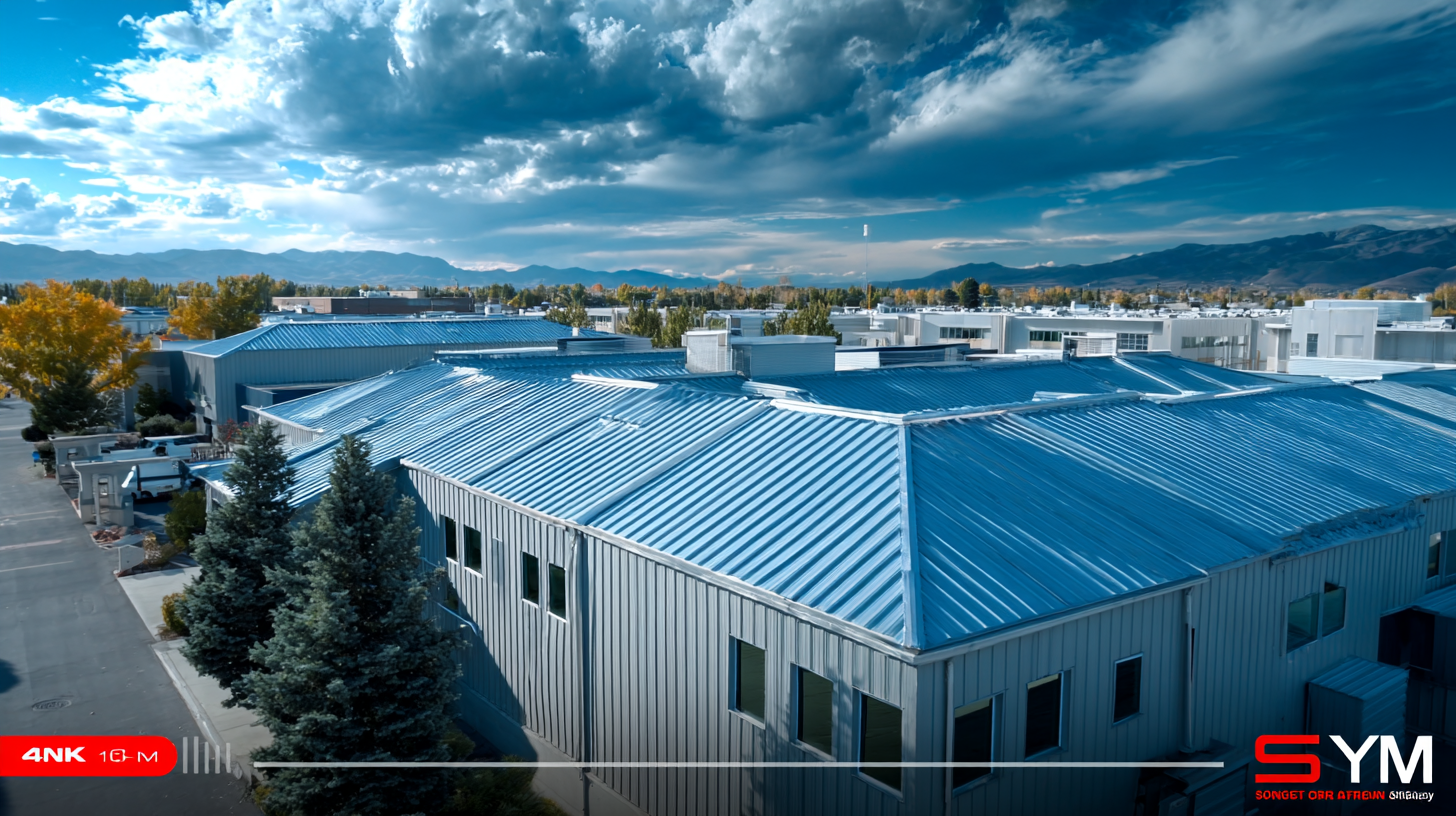
When you're looking to source coated metal roofs for various markets around the globe, it's super important to get a grip on what coating materials work best for each climate. For areas that deal with brutal winters, you really need coatings that can handle extreme temperatures and hold up against all that snow and ice. Think about specialized polymers that not only help the metal last longer but also boost its insulation game. On the flip side, if you're focusing on hotter regions, those reflective coatings are key to cutting down on heat absorption, which is a big win for energy efficiency. So, yeah, keeping local weather patterns in mind when picking your materials is totally a must.
And let’s not forget about the application process — it can really make or break how well those coatings perform. You’ve got to understand how they react to different levels of humidity and temperature; this knowledge is essential for ensuring they stick well and last a long time. Whether you're working on a commercial project or a cozy home, knowing the right coating tech means you’re not only following local regulations but also getting the most out of your roofing solution. As you navigate those import regulations, remember that choosing climate-appropriate coatings will lead to better performance and happier customers across various markets.
Navigating Import Regulations: How to Source the Best Coated Metal Roof for Global Markets - How to Choose the Right Coating Material for Different Climates
| Climate Type | Recommended Coating Material | Benefits | Considerations |
| Tropical | Polyester Coating | High UV resistance; vibrant colors | Less durable than other coatings; may require maintenance |
| Arid | Fluoropolymer Coating | Excellent weather resistance; long-lasting | Higher initial cost |
| Temperate | Acrylic Coating | Good flexibility; easy to apply | May require frequent reapplication |
| Cold | Galvanized Coating | Corrosion resistance; strong | Heavier than other options |
| Marine | Ceramic Coating | Superior protection against salt and moisture | Costly and technology-dependent |
Navigating Customs Procedures: Tips for Smooth Importation
Hey there! If you're thinking about importing coated metal roofs, navigating those customs procedures is super important. Trust me, understanding the rules in the country you’re shipping to can save you from some pretty expensive headaches down the road. Each place has its own paperwork, tariffs, and restrictions, which can really complicate things. So, a good first step? Get yourself familiar with the Harmonized System (HS) codes for your products—these codes are pretty much the key to figuring out your duties and taxes.
Also, don’t overlook the value of connecting with some seasoned customs brokers or freight forwarders. Seriously, they can help you through the logistical maze. They know how to prep all the paperwork, like commercial invoices and certificates of origin, and they make sure you comply with local import rules. Building a solid relationship with your logistics partners can really help speed things up, which means you can focus on getting those high-quality roofs in without all the customs drama. Just remember, keeping the lines of communication open and planning ahead can make the whole import process way smoother for your business.
Assessing Suppliers: What to Look for in Global Metal Roofing Partners
So, when you're out there trying to get coated metal roofs for the global market, picking the right suppliers is super important if you want to succeed. Doing a solid assessment of potential partners can save you some cash and also guarantee that you’re getting quality products that follow local regulations. Start by checking out your supplier’s certifications and industry standards; for instance, keep an eye out for ISO 9001 for quality management, along with any local compliance certifications. This way, you know the products are in line with the rules in your target market.
Quick tip: Always, and I mean always, ask for product samples before you dive into any commitments. It’s a great way to see if the quality and performance of the materials actually meet your needs. Also, don’t forget to ask about the different coatings they offer – making sure they can handle the weather and look good for your area is a must.
And hey, another big thing to think about is how seasoned the supplier is in the international market. A partner with a good track record of successful exports knows the ropes when it comes to shipping and customs regulations. It’s also worth evaluating their customer service and how quick they are to respond because let’s be real, effective communication is key when things get a little bumpy during the import process.
Another tip: Set up a clear communication channel and be upfront about your expectations when it comes to timelines and updates. Taking this proactive approach can really help build a solid relationship with your supplier and might even land you better terms in future deals.
Common Pitfalls to Avoid When Sourcing Coated Metal Roofs
So, when you're looking to get coated metal roofs for international markets, you really have to pay attention to import regulations—trust me, it can get pretty tricky. One of the major missteps folks make is not really grasping the specific requirements for each target market. A recent report from Grand View Research even pointed out that the global metal roofing market is on track to hit a whopping USD 23.4 billion by 2027! That really shows how much demand is out there, and it’s super important to make sure you’re staying compliant with all those different regulations. If you brush aside local standards, you could be facing some major headaches like costly delays and penalties. So, doing your homework on import regulations before diving into procurement is absolutely key.
Here’s a tip: always check in with local regulatory agencies or industry pros to make sure you have the most up-to-date info on import standards for the country you’re focusing on.
Another important area to watch out for is the quality of the materials you’re sourcing. A survey from MarketsandMarkets reported that around 70% of manufacturers said they struggled with getting high-quality coated metal products because of inconsistent supplier performance. It’s totally vital to buy from reputable suppliers who have a solid track record. This way, you can dodge potential issues with material performance and compliance down the line.
And here’s another tip: don’t hesitate to ask for certifications and quality assurance documents from your suppliers. And if you can, think about conducting some audits to make sure they can actually deliver on what they promise before you sign anything.
Elevate Your Roof Aesthetic: The Transformative Power of Colored Stone Metal Tiles in Modern Architecture
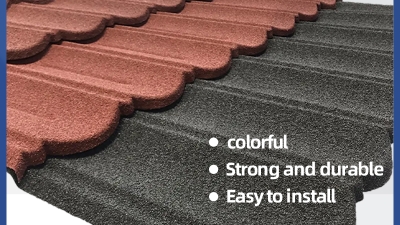
In the quest for architectural brilliance, elevating roof aesthetics has become more important than ever. Colored Stone Metal Tiles emerge as the perfect solution, seamlessly marrying the allure of natural stone with the remarkable resilience and weight efficiency of metal. These innovative tiles bring a touch of elegance to modern structures, offering a veritable canvas of colors and textures that mimic the beauty of the great outdoors.
The unique combination of materials in colored stone metal tiles not only enhances visual appeal but also ensures durability, allowing buildings to maintain their striking appearance for years to come. This transformative roofing option enables architects and designers to push boundaries while creating captivating silhouettes against the urban landscape. As cities evolve, the artistic appeal of colored stone metal tiles helps forge a memorable identity for each building, turning rooftops into expressive elements of modern architecture.
FAQS
: The global roof coating market is projected to grow from USD 8.72 billion in 2024 to USD 10.16 billion by 2029, with a compound annual growth rate of 3.1%.
Compliance with import regulations is crucial as it assures product quality, longevity, and helps gain consumer trust while obtaining necessary certifications.
In India, roofing sheets must adhere to the Bureau of Indian Standards (BIS), which specifies regulations for zinc coating and paint coating thickness.
Manufacturers should evaluate suppliers based on certifications, industry standards, experience in the international market, and their ability to comply with local regulations.
Requesting product samples allows manufacturers to evaluate the quality and performance of the materials before making any commitments.
Establishing clear communication channels and setting expectations can help address unforeseen issues, leading to a stronger supplier relationship and potentially more favorable terms in future transactions.
Innovative designs and materials can meet functional requirements while appealing aesthetically, particularly in regions with extreme climates.
ISO 9001 certification is important for ensuring quality management in roofing products.
Supplier experience in international markets is important as it enables them to navigate shipping and customs regulations effectively.
Understanding regional import regulations allows manufacturers to develop products that resonate with local markets while fulfilling regulatory obligations.