Manufacturing is always changing, and staying ahead means using innovative materials that open up new design and functionality possibilities. One product that's been getting a lot of attention lately is Pvc Silicone Glue. Honestly, this stuff is a real game-changer across many industries. It’s super versatile — it not only sticks really well but also stays flexible and durable, which makes it perfect for a bunch of different uses. Sengu (Shandong) New Materials Co., Ltd. is really leading the charge with this technology. They’re all about creating safe, eco-friendly, and long-lasting solutions, especially for home décor. They've got about 100 acres dedicated to production, and they’re really good at combining R&D, sales, and manufacturing under one roof. This means Sengu is in a great spot to use PVC Silicone Glue to help spark creativity and push quality standards higher in manufacturing. As we dive into some of the cool ways this product is being used, we’ll also talk about some of the challenges and mistakes to watch out for along the way.
Innovative Use Cases of PVC Silicone Glue in High-Volume Manufacturing Processes
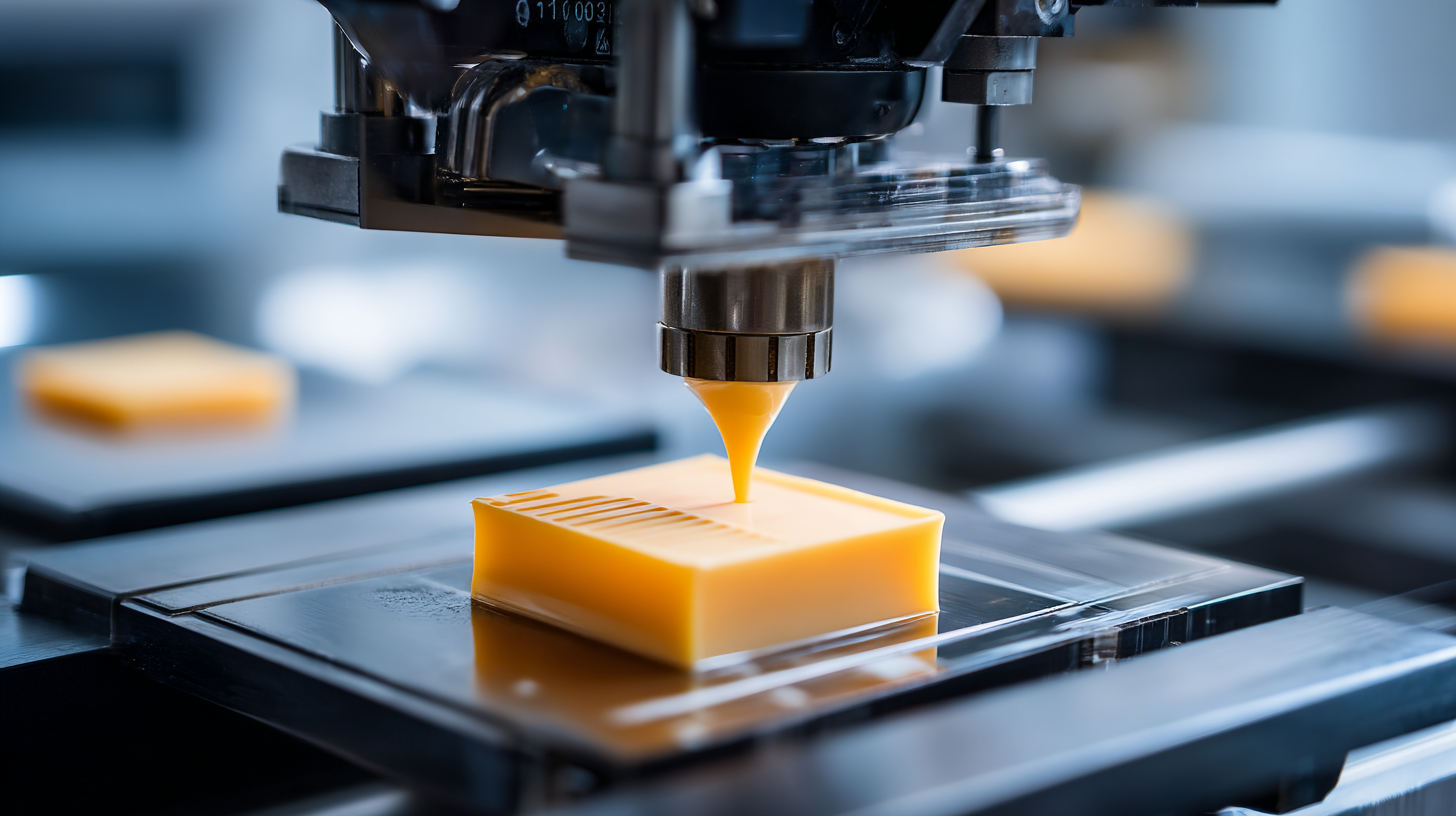
In high-volume manufacturing, switching to PVC silicone glue has really changed the game. It’s helped boost efficiency and made products more durable than ever. This stuff is super versatile too—it stands up to temperature swings and moisture, plus it bonds really well. From car parts to electronics, companies are taking advantage of its unique features to make things that can handle tough use while still looking great.
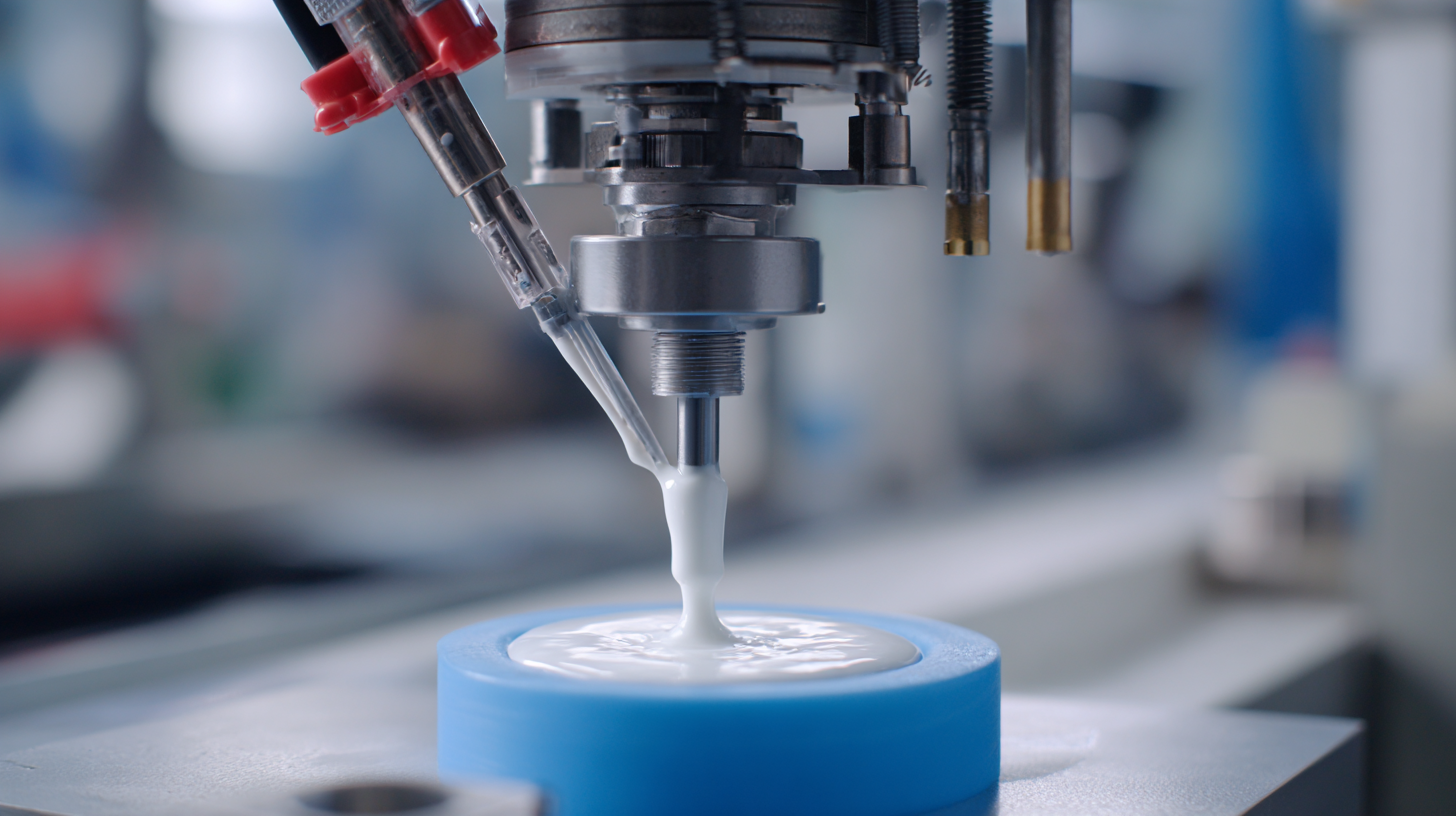 A quick tip: Before you apply, make sure the surface is clean and dry—that's key to getting a good stick. Also, roughening up the surface a bit can really help the glue stick better, making your final product stronger and more reliable, especially in tough environments.
Another cool thing about PVC silicone glue is how it can simplify assembling complicated parts. Instead of using tons of mechanical fasteners, you can just glue things together—makes the process faster and more straightforward. Plus, it cuts down on costs and keeps the finished product lighter, which your customers will definitely appreciate.
And here’s a bonus tip: Play around with curing times depending on what you're making. PVC silicone glue can set at different speeds, so tweaking how you apply it could speed things up without sacrificing quality.
Analysis of PVC Silicone Glue Performance Compared to Traditional Adhesives
PVC silicone glue has really started to shake things up in the manufacturing world. It offers some pretty cool advantages over the usual adhesives like epoxy and superglue. One of the things that stands out? Its incredible flexibility. That’s super important when you're working with materials that tend to move or flex a lot. Unlike those stiff adhesives that crack or break under pressure, PVC silicone glue stays flexible, kind of like a rubber band. It can bend and stretch with whatever it’s bonding, which means your stuff stays durable for a long time. That’s why it’s such a hit in construction, automotive work, and all sorts of industrial jobs where parts often take a beating.
And here’s the kicker — it’s also really resistant to the elements. Moisture, heat, UV rays — you name it. Traditional glues often give up or weaken when exposed to these conditions, leading to breakdowns after a while. PVC silicone glue, on the other hand, keeps performing well even in tough environments. That means fewer repairs and replacements over time, saving both time and money. By switching to this innovative adhesive, manufacturers can make their products more reliable and even get a bit creative. It opens up a whole bunch of new design possibilities that just wouldn’t be possible with the old-school glues. Honestly, it’s a pretty game-changing fix for many industries.
Innovative Applications of PVC Silicone Glue: Unleashing Creativity in Manufacturing
| Application Area | Performance Metric | PVC Silicone Glue | Traditional Adhesives |
| Automotive Assembly | Temperature Resistance (°C) | -40 to 120 | -20 to 80 |
| Electronics | Cure Time (minutes) | 30 | 60 |
| Construction | Adhesive Strength (N/mm²) | 2.5 | 1.5 |
| Textile Industry | Flexibility (mm) | 25 | 15 |
| Medical Devices | Biocompatibility | Excellent | Moderate |
Cost-Benefit Analysis: PVC Silicone Glue's Impact on Production Efficiency
You know, the arrival of PVC silicone glue in manufacturing circles has really sparked a bunch of innovative uses. It’s such a game-changer when it comes to speeding up production and making everything more efficient. This glue isn’t just about sticking things together — it’s strong enough for tons of different materials and actually aligns pretty well with the whole sustainability vibe we’re seeing these days. When companies start incorporating PVC silicone glue into their workflows, they often end up reducing waste, making their processes smoother, and saving some serious bucks in the long run. Plus, because it can handle tough conditions without breaking a sweat, products last longer and don’t need to be replaced as often, which is a win for everyone including the environment.
And let’s be real — sustainability is more than just a buzzword now. Industries are really pushing for greener materials and smarter waste management. I mean, turning plastic waste into pyrolysis oil, for example, shows how we can turn what’d normally end up polluting our planet into something useful. Companies like Sengu (Shandong) New Materials Co., Ltd. are leading the charge here, blending safe, eco-friendly stuff right into what they create. So, all in all, using PVC silicone glue is not just about making manufacturing more efficient — it’s also a way for us to get creative with tackling the waste and environmental challenges on our plates.
Challenges in Implementation: PVC Silicone Glue in Harsh Environmental Conditions
You know, in manufacturing, PVC silicone glue has really become a go-to adhesive for many folks because it’s super versatile—especially when you need something that's both strong and flexible. But, here’s the thing: using this stuff in rough environmental conditions isn’t always a walk in the park. Things like crazy temperatures, high humidity, or exposure to chemicals can give it a tough time and might even weaken the bond. That’s why making sure the surfaces are properly prepped and letting the glue cure fully is so important if you want it to last and stick well in tough environments.
Tip 1: Always make sure the surfaces are squeaky clean and free of any dirt or oil before you apply the glue. It might seem simple, but trust me, it makes a huge difference—especially when the conditions are humid or temperature swings are common.
Tip 2: Don’t rush that curing process. In harsher settings, giving the glue more time to set can really boost the strength of the bond. Make sure to check out the manufacturer’s instructions—they usually have tips on optimal curing times for different conditions.
And if you’re facing some pretty extreme environments, tweaking the formula of the PVC silicone glue can help a lot. Adding certain extras or choosing specialized versions can make the adhesive more resistant to the bad stuff out there, which means your projects can last longer and handle tougher conditions without falling apart.
Case Studies: Successful Applications of PVC Silicone Glue in Diverse Industries
Lately, PVC silicone glue has really started making waves across different manufacturing fields, opening up all sorts of new creative and efficient possibilities. For example, in the auto industry, we've seen companies begin to use this versatile glue to bond various parts like dashboards and interior panels. Its flexibility and heat resistance don’t just boost how durable these parts are — they also make it possible to design more intricate, modern-looking interiors that really appeal to today’s consumers. And the results? Vehicles that look great and are built to last.
On the electronics front, PVC silicone glue is also proving its worth. One big electronics firm, in particular, used it to assemble their circuit boards — a job where traditional adhesives often fall short in providing the right insulation and heat management. Thanks to this glue, they got better protection against moisture and temperature changes, which in turn reduced failures and helped their devices last longer. It’s pretty clear this adhesive has some serious potential to push innovation forward, especially in environments that are getting more and more demanding.
Future Trends: The Evolution of PVC Silicone Glue in Creative Manufacturing Solutions
The way PVC silicone glue is evolving is really set to shake up how we approach creative manufacturing. With more industries leaning toward sustainable and versatile materials, this glue is becoming pretty much indispensable. Think automotive, electronics, furniture—you name it. They’re now counting on it for its excellent bonding ability, flexibility, and its knack for resisting extreme conditions. It’s exciting because it kind of opens up a whole world of creative possibilities, giving manufacturers the tools to push design and functionality even further.
**A Few Tips When Using PVC Silicone Glue:** First off, make sure your surfaces are clean and dry—that's pretty much a must for good adhesion. Using clamps while it cures can really help keep everything aligned and ensure a strong bond. And if you’re feeling experimental, try different curing methods—like heat or UV light—to tweak how flexible or strong the bond ends up being, depending on what your project needs.
As technology advances, this glue’s versatility will only get better, leading to new ideas and methods for creating stuff. Keep an eye out for emerging trends, like smart adhesives that respond to their environment—which could really boost what we can do in manufacturing. Overall, the future's looking bright, not just with better production, but with more creative ways to explore and innovate.
Innovative Applications of PVC Silicone Glue in Manufacturing
This chart illustrates the various innovative applications of PVC silicone glue in different manufacturing sectors, showcasing the growth of creative solutions over the years.
Enhancing Building Longevity: The Impact of SG-793 Sealant on Weather Resistance in Aluminum Composite Panel Applications
In the realm of modern architecture, aluminum composite panels have emerged as a leading choice for curtain wall applications, primarily due to their lightweight nature, striking aesthetic, and impressive durability. One critical factor influencing the effectiveness and longevity of these panels is the treatment of the joints. Ensuring that these joints are properly sealed is paramount to maintaining the overall appearance and structural integrity of a building over time.
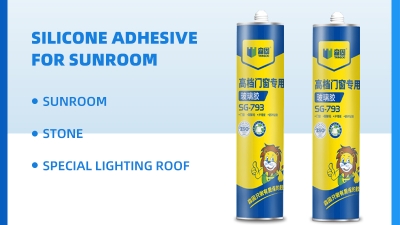
To enhance the longevity of aluminum composite panels, the SG-793 Special Silicone Weatherproof Sealant is specifically engineered to provide superior weather resistance and bonding strength. This high-performance sealant guarantees exceptional waterproof capabilities that protect joints from the harsh elements, ensuring that buildings can withstand the rigors of wind and rain. By utilizing SG-793, architects and builders can achieve a visually appealing finish while significantly extending the lifespan of their structures.
With the SG-793 sealant, the joints of aluminum composite panel curtain walls are fortified against potential leaks and damages, effectively safeguarding the integrity of the building. This not only keeps the aesthetic of the facade intact but also minimizes maintenance costs and efforts over the years. In essence, investing in high-quality sealant solutions like SG-793 is essential for those looking to enhance the durability and resilience of their architectural masterpieces.
FAQS
: PVC silicone glue provides exceptional flexibility, superior resistance to moisture, heat, and UV exposure, and maintains a pliable bond that adapts to movement or stress, making it more durable than traditional adhesives like epoxy and cyanoacrylate.
The use of PVC silicone glue simplifies assembly processes by reducing the need for mechanical fasteners, streamlining production, cutting costs, and minimizing the weight of assembled products.
Surfaces should be clean, dry, and rough-textured to maximize adhesion when applying PVC silicone glue.
Curing time is crucial as adjusting it based on manufacturing needs can lead to faster production while still maintaining quality.
Yes, factors like extreme temperatures, moisture, and exposure to chemicals can affect the adhesive's strength and performance, requiring proper surface preparation and curing techniques.
Ensuring surfaces are contaminant-free and allowing extended curing time can enhance the strength and durability of the adhesive in harsh conditions.
Yes, adjusting the formulation by incorporating additives or using specialized versions of PVC silicone glue can improve its resistance to adverse environmental factors.
Its robust performance in extreme conditions enhances product longevity, reducing the need for frequent repairs or replacements, thus improving overall reliability.
PVC silicone glue is utilized across various industries, including automotive, electronics, and construction, due to its versatile properties and performance advantages.
Always ensure that the surfaces are clean and free of contaminants before application to maximize adhesion and overall performance of the glue.