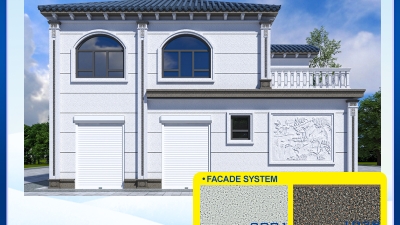
In an era marked by escalating tariffs and trade tensions, Chinese manufacturers are finding innovative ways to embrace growth and resilience. The market for decorative building materials, particularly the Faux Finish Stone Wall, has flourished despite the challenges posed by trade policies. Companies like Elegant Surfaces have successfully navigated these tariffs, capitalizing on their ability to deliver high-quality products at competitive prices. As they adapt to changes in the global landscape, the demand for Faux Finish Stone Wall products continues to rise, reflecting a desire for aesthetic value paired with durability. This blog will explore how Chinese manufacturers are overcoming obstacles and tapping into new opportunities, demonstrating that even amidst economic uncertainty, growth is not only possible but thriving in the realm of faux finish materials.
Understanding the Impact of Tariffs on Trade Between China and the U.S.
The ongoing U.S.-China trade tensions have far-reaching implications for various sectors, particularly in the realm of tariffs. As the U.S. government implements extensive tariffs on imported goods, businesses must navigate these challenges while seeking opportunities for growth. The presidency of Donald Trump has seen a surge in tariff rates, with recent announcements indicating increases up to 125% on Chinese imports. Such steep tariffs can lead to higher costs for American consumers and may potentially disrupt supply chains that rely on affordable imports from China.
Understanding the impact of these tariffs on trade is crucial for companies considering the import of goods, such as faux finish stone wall products. With fluctuating costs and potential supply bottlenecks, businesses must reassess their strategies and consider diversifying their sources. The recent trade calculations and retaliatory measures by China highlight the volatile nature of international trade. As countries respond to new tariffs, it’s essential for importers to stay informed about not only the immediate financial implications but also the long-term economic outlook as negotiations and trade policies continue to evolve.
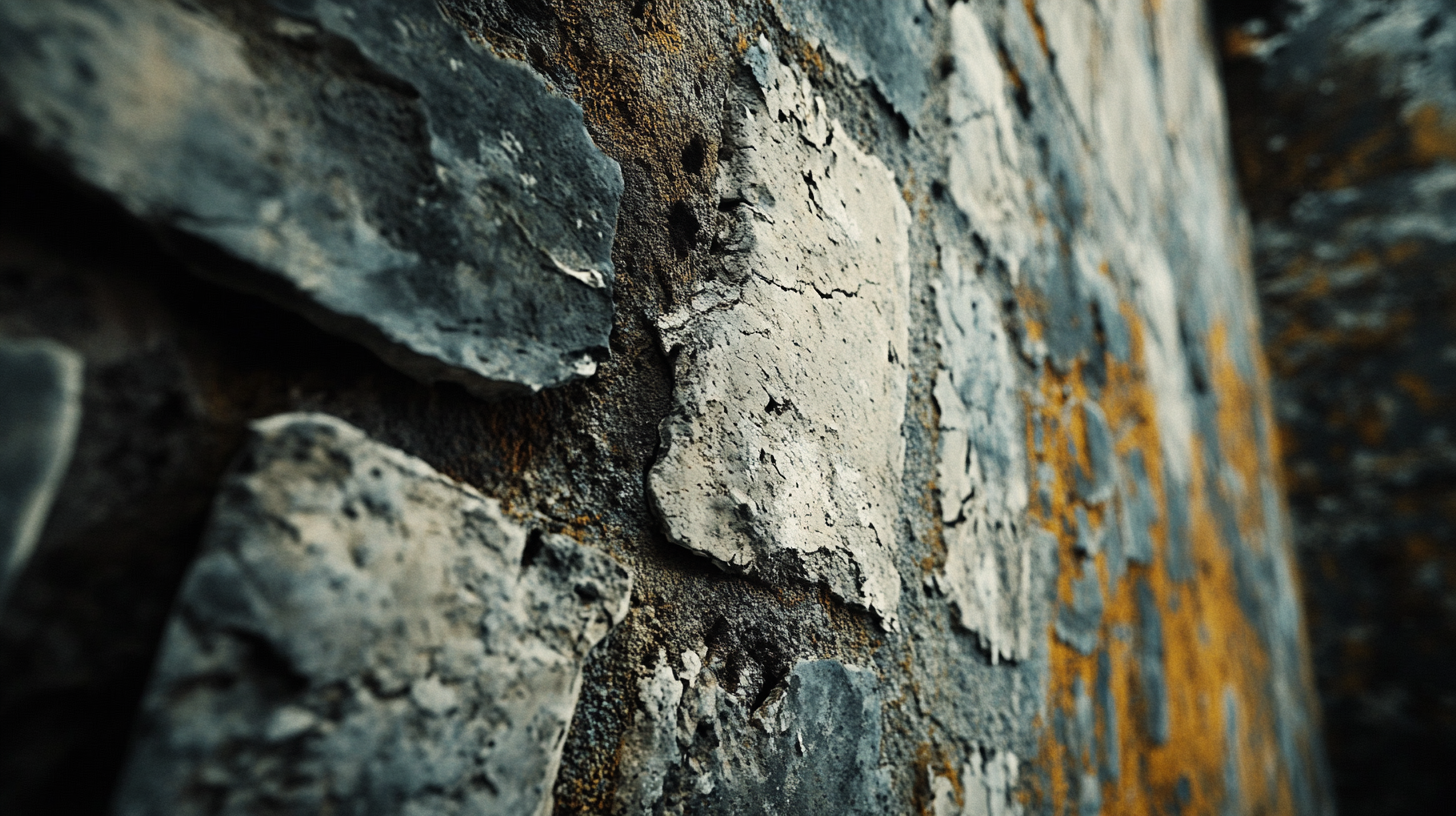
The Rise of Faux Finish Stone Walls: Market Trends and Consumer Demand
Faux finish stone walls have increasingly captured consumer interest, driven by evolving market trends and demands. As homeowners seek innovative ways to refresh their spaces, the Faux Stone look provides a versatile aesthetic that mimics the appearance of natural materials while offering practicality and affordability. In 2020, the North America Stone Veneer market was valued at $687.2 million and is projected to continue its upward trajectory, indicating a robust preference for faux finishes in the home décor industry.
As we approach 2024, design preferences are shifting away from outdated styles and towards more sustainable, efficient options. PVC wall panels, for instance, have emerged as trendy alternatives, prized for their ease of installation and low maintenance. Incorporating faux finish stone walls into interiors not only enhances visual appeal but also aligns with the minimalist philosophy that many consumers are adopting.
Tips: When considering faux finishes, it's essential to choose materials that complement your existing decor. Aim for a cohesive color palette that harmonizes with other design elements in your space. Additionally, visualizing the intended installation area—using samples or digital tools—can ensure that your design choice will be a perfect fit for your home. Embracing these design shifts can lead to a more modern and inviting environment.
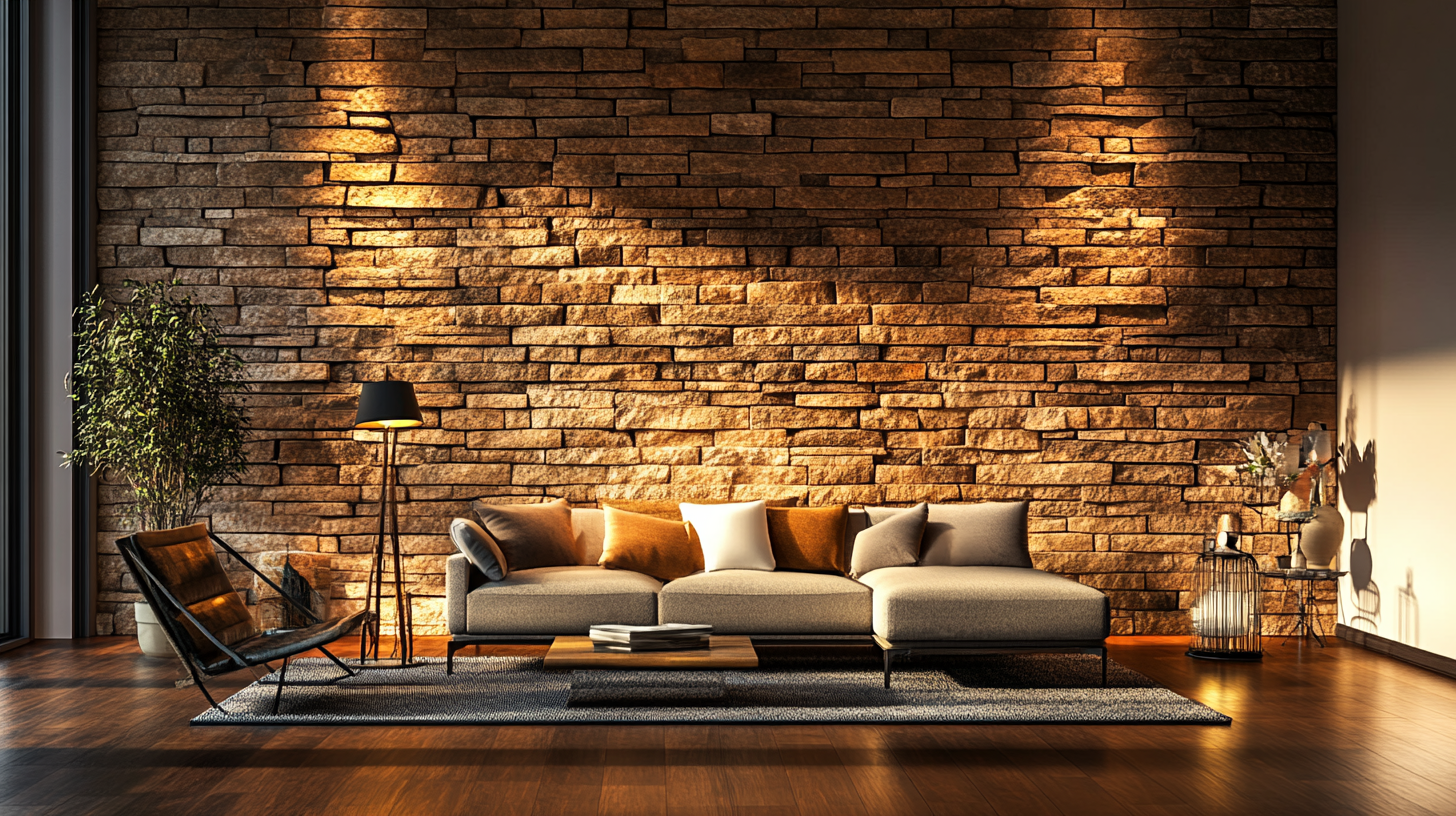
Comparative Analysis: Chinese Faux Finish Stone Manufacturers vs. Global Competitors
In the rapidly evolving world of home decoration, the competition among faux finish stone manufacturers has never been fiercer. Chinese manufacturers, particularly companies like Sengu (Shandong) New Materials Co., Ltd., are setting benchmarks for quality and innovation. With a production base spanning nearly 100 acres, Sengu integrates research, development, and production, focusing on safe, environmentally friendly, and durable solutions. According to a recent market analysis report, the global faux stone market is projected to grow significantly, with China holding a substantial market share due to its cost-effective production and advanced technology.
While navigating tariffs and global supply chain challenges, it's essential for consumers and businesses alike to understand the advantages of sourcing from established manufacturers in China. One crucial tip is to prioritize companies that emphasize sustainable practices; for instance, Sengu's commitment to environmentally friendly materials ensures you’re not only investing in aesthetics but also in the planet's future. Additionally, consider how local regulations and tariffs can affect pricing and delivery schedules.
When choosing faux finish stones, it's vital to compare product longevity and material quality. Reports indicate that Chinese faux stones often outperform competitors in durability tests, making them a wise investment for homeowners and contractors alike. Opting for manufacturers that offer comprehensive warranties can further safeguard your investment, ensuring that your chosen stone wall not only enhances your decor but also stands the test of time.
Navigating Tariffs and Embracing Growth with Faux Finish Stone Wall Manufacturers
Strategies for U.S. Importers to Overcome Tariff Challenges and Foster Growth
Navigating the complexities of tariffs can be a daunting task for U.S. importers, especially those interested in faux finish stone wall products from China. To thrive in this challenging environment, it’s essential to adopt proactive strategies. First and foremost, staying informed about the latest tariff regulations and trade policies is crucial. Engaging with trade associations and utilizing resources like webinars and industry reports can provide valuable insights into current trends and changes.
Moreover, fostering strong relationships with suppliers in China can lead to mutually beneficial arrangements. By negotiating terms that include potential cost-sharing for tariffs or sourcing alternatives, importers can mitigate financial impacts. Additionally, considering diversification of the supply chain beyond a single geography can reduce risks associated with tariffs and enhance growth opportunities. U.S. importers who embrace these strategies will not only navigate tariffs more effectively but also position themselves for sustained success in a competitive market.
Data Insights: Growth Projections for the Faux Finish Stone Market in 2023 and Beyond
The faux finish stone market is poised for substantial growth in 2023 and beyond, driven by increasing demand for versatile and aesthetically pleasing alternatives to natural stone. With the U.S. natural stone and marble market valued at approximately $437.9 million and expected to grow at a compound annual growth rate (CAGR) of 4.0%, this segment is experiencing a transformative shift. The appeal of faux finishes lies not only in their cost-effectiveness but also in the wide range of design possibilities they offer, appealing to both residential and commercial sectors.
As consumer preferences evolve towards sustainable building practices and innovative design, faux finish stone products are becoming increasingly favored. They provide an impressive visual impact without the heavy environmental burden often associated with traditional stone. This trend is likely to be further accelerated by advancements in technology that enhance the realism and durability of faux materials. As the market expands, businesses adopting these trends will find ample opportunities for growth while navigating the complexities of tariffs and manufacturing logistics in the global marketplace.
Faux Finish Stone Market Growth Projections (2023)
Sustainability Trends in Faux Finish Stone Manufacturing: A Case Study from China
In recent years, the faux finish stone manufacturing industry in China has embraced sustainability trends, significantly impacting its production methods and environmental footprint. As the nation advances in innovation, there has been a notable shift towards eco-friendly practices, such as reducing energy consumption and utilizing recycled materials. According to a recent report, over 65% of Chinese manufacturers are now prioritizing sustainable sourcing and production techniques, aligning with global sustainability goals and consumer preferences for greener products.
This transformation is supported by China's rapid development in advanced industries, with universities and domestic companies leading the charge in research and innovation. The integration of technology in the manufacturing process not only enhances efficiency but also minimizes waste by up to 30%, a figure that reinforces the sustainability trend. Moreover, as consumer awareness of environmental issues grows, the demand for responsibly produced faux finish stone products continues to rise, encouraging manufacturers to adopt more sustainable practices.
As China navigates tariffs and embraces growth in the faux finish stone sector, its commitment to sustainability is evident. The case study of Chinese manufacturers illustrates how prioritizing eco-friendly practices can lead to competitive advantages in the global market while preserving cultural heritage and promoting environmental conservation. This approach is essential not only for meeting domestic demand but also for setting a benchmark in the international market for sustainable construction materials.
| Navigating Tariffs and Embracing Growth with the Best Faux Finish Stone Wall from China |
| Aspect | Details | Sustainability Impact | Growth Opportunities |
| Materials Used | Recycled aggregates, eco-friendly resin | Reduces waste and carbon footprint | Increased demand for green building materials |
| Production Process | Low-energy manufacturing techniques | Minimizes energy consumption | Cost savings on energy |
| Market Trends | Growing demand for faux finishes | Promotes sustainable design choices | Expansion into international markets |
| Tariff Impact | Changes in import fees | Increased costs for consumers | Opportunity for local production |
Transforming Spaces with Rock Color Stone Imitation Paint: Insights from the 2023 Interior Design Market Analysis
In the dynamic landscape of interior design, the 2023 market analysis reveals a significant trend toward innovative materials that not only enhance aesthetics but also offer superior performance. One standout option gaining popularity is rock-imitating Stone Paint. This high-end architectural decorative material transforms spaces with its ability to replicate the texture and color of natural stone while providing an economical alternative.
Utilizing advanced technical processes, rock color stone imitation paint delivers a stunningly realistic finish, allowing designers to create environments that exude elegance and grandeur. It allows for flexibility in application, making it suitable for various surfaces, including walls and facades, enabling architects and interior designers to push the boundaries of traditional design. The versatility and aesthetic appeal of this material ensure it remains a favored choice among professionals seeking to elevate their projects without the complexities and exorbitant costs associated with natural stone.
Moreover, rock color stone imitation paint contributes to sustainability in design practices. By reducing the need for natural resources and minimizing construction waste, it aligns with the growing demand for environmentally friendly building solutions. As the interior design market continues to evolve, this innovative material stands out as a transformative force, capturing the essence of luxury and craftsmanship in modern architecture.
FAQS
: The U.S. has implemented extensive tariffs on imports from China, with rates increasing up to 125% on certain Chinese products.
These steep tariffs can lead to higher costs for American consumers, as increased import costs may be passed on to buyers.
Businesses must navigate fluctuating costs, potential supply chain disruptions, and may need to reassess their sourcing strategies.
Importers need to understand both the immediate financial implications and the long-term economic outlook as international trade policies continue to evolve.
Chinese manufacturers often offer cost-effective production and advanced technology, resulting in a substantial market share in the faux stone market.
Consumers should prioritize manufacturers that emphasize sustainable practices and offer comprehensive warranties on their products.
Reports indicate that Chinese faux stones frequently outperform competitors in durability tests, making them a better investment for consumers.
The global faux stone market is projected to grow significantly, with China expected to maintain a strong presence due to its cost-effective production.
Local regulations and tariffs can impact the pricing and delivery schedules, influencing overall sourcing decisions for businesses and consumers.
Sengu (Shandong) New Materials Co., Ltd. is highlighted for its quality and innovation in the manufacturing of faux finish stones.