When it comes to medical prosthetics, Silicone Prosthetic Adhesives really play a huge role in making sure things sit comfortably and work well with the skin. I mean, the global market for prosthetics is expected to hit around $12.9 billion by 2025, and as more folks look for better adhesion options, the need for innovative materials is more important than ever. Companies like Sengu (Shandong) New Materials Co., Ltd. are leading the charge — they've got a huge production base spanning nearly 100 acres and are all about blending R&D with manufacturing and sales to create adhesive solutions that are safe, eco-friendly, and long-lasting. It's pretty important because studies show that over 60% of users have skin reactions from poor-quality adhesives. By really digging into the science behind silicone prosthetic adhesives, we can give users a better experience and help more people feel confident and comfortable with prosthetic technology.
Understanding Silicone Chemistry for Prosthetic Adhesives in Skin Applications
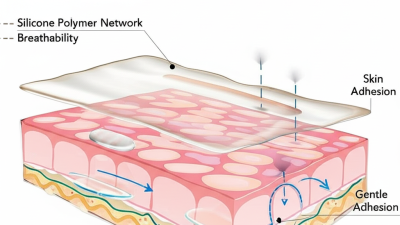
Getting a good handle on the chemistry behind silicone prosthetic adhesives is pretty key if we want to improve how well they get along with our skin in medical stuff. Lately, scientists have made some cool strides, showing that silicones—those materials known for being water-repellent and super stable—are actually pretty friendly to our bodies. That’s what makes them such a good choice for creating prosthetics that feel and look like the real thing. When researchers looked at different ways of linking silicone molecules together, they found that these materials keep their strength and don’t break down easily, plus they stick to tissues nicely. So, overall, they work really well for long-lasting, biocompatible applications.
On top of that, as the world of medical glues keeps changing, there’s definitely more buzz around new materials—especially silicone-based ones. The push for better wound care options and less invasive surgeries is really driving innovation. Scientists are now mixing silicones with antimicrobial features and even using 3D printing tech to make better prosthetics. The goal? To create solutions that not only help skin stay healthy but also look and feel like the real deal. This progress isn’t just about aesthetics; it really boosts comfort and outcomes for patients needing soft-tissue prosthetics. It’s an exciting time, with a lot happening on the research front that could make a big difference in how we treat and care for people in the future.
Key Factors Affecting Skin Compatibility and Adhesive Performance
You know, when it comes to silicone prosthetic adhesives, a lot depends on how well they get along with human skin. Factors like the adhesive’s unique make-up really play into how effective they are, especially in sensitive situations like wearable tech or prosthetics. Interestingly, the global market for non-woven adhesives is apparently set to grow pretty quickly — around 9% a year — jumping from about $3.24 billion in 2024 all the way up to roughly $5.54 billion by 2030. That just goes to show how much demand there is for skin-friendly glue solutions, especially in healthcare.
One big thing to keep in mind when choosing adhesives for skin contact is making sure they’re biocompatible and flexible — nobody wants something that irritates the skin or feels stiff. Also, managing moisture is key. A recent study comparing textile and hydrogel electrodes used in neuromuscular electrical stimulation showed that textile options weren’t just comfortable—they also stuck around reliably. It kinda hints that we might see more of these bio-friendly materials in medical stuff going forward.
My best advice? When picking out adhesives, think about how friendly they are to your skin, how flexible they are, and whether they handle moisture well. Trying out different adhesion strengths can help you find what’s perfect for your needs. And hey, it’s always a good idea to keep an eye on the latest industry reports — they’re packed with info about new materials that boost adhesion without sacrificing skin safety.
Evaluating Adhesive Strength: Testing Methods and Standards in Prosthetic Use
When it comes to prosthetic applications, checking how well adhesives stick is super important—especially when we're dealing with silicone prosthetic adhesives that need to play nicely with skin. There are all sorts of testing methods and standards out there that help us figure out if these adhesives are actually doing their job in real medical situations. For instance, recent studies have shown that figuring out bond strength isn't just about a simple pull test anymore. Techniques like the Schwickerath test are gaining popularity because they measure how much energy it takes to actually delaminate the material—that is, to make it come apart. That kind of info really helps us develop adhesives that stick reliably and last longer, even under tough conditions.

On top of that, looking into different treatment methods—like those used in dental work—really highlights how important surface prep is if you want the adhesive to perform great. The way silicone elastomers bond to different surfaces, including newer materials like 3D printed substrates, shows just how many factors come into play if we're aiming for a successful prosthetic fit. By improving adhesive formulas and understanding what’s happening at the microscopic level, researchers can make things more dependable. All this adds up to better prosthetic devices and, hopefully, better experiences for patients in maxillofacial rehab. It’s a work in progress, but every step forward makes a real difference.
Analyzing Skin Reactions: Biocompatibility and Allergic Responses to Silicone
When it comes to silicone prosthetic adhesives, their biocompatibility is super important — it’s all about ensuring the wearer stays comfortable and safe. Basically, when these adhesives are applied to the skin, they shouldn’t cause any nasty allergic reactions or irritations. From what we know, silicone usually has a pretty low risk of causing allergies, which is why it’s so popular in prosthetic use. That said, people’s skin reactions can vary quite a bit depending on factors like skin type, how long the adhesive is on, and the environment they’re in. So, it’s a good idea to do patch tests and listen to user feedback to figure out how well the adhesive plays with different skin types.
Sometimes, allergic responses can come from other stuff in the adhesive — like additives or curing agents. A few folks might be sensitive or irritated, which means manufacturers might need to tweak the formulation or how they apply it. It’s really important to do thorough skin tests to spot any potential allergens and then adjust the recipe if needed. By taking these steps seriously, makers can improve safety and make sure their Silicone Adhesives work well for a wide range of people, while avoiding those annoying skin reactions.
Skin Reactions to Silicone Prosthetic Adhesives
Optimizing Prosthetic Adhesives: Formulation Strategies for Enhanced Wearability
Prosthetic adhesives are a pretty big deal when it comes to making sure the skin gets along well and that the prosthetic feels comfortable to wear. Lately, there have been some pretty exciting breakthroughs in adhesive tech—think soft, double-layer adhesives that kinda mimic an octopus’s grip. These new adhesives are super good at sticking, whether the skin’s dry or wet, thanks to their flexible, sturdy design that can conform to all kinds of skin types and conditions. Plus, they use biocompatible materials, so they cause less irritation and discomfort, making the whole experience much more pleasant for the user.
On top of that, there’s some cutting-edge stuff happening with nanofiber-based coatings that adapt well to the skin. Inspired by octopus suction cups, these new adhesives don’t just stick really well—they also help deliver medicines or other therapeutic agents right where they’re needed. It’s a pretty big step forward for both prosthetics and drug delivery, because they’re not only reliable but also allow folks to go about their day with confidence and ease. And as research keeps progressing, we’re looking at even cooler, more user-friendly solutions that could totally change the game for prosthetic wearers.
Best Practices for Application: Techniques to Ensure Optimal Adhesive Performance on Skin
When it comes to using silicone prosthetic adhesives, making sure they’re compatible with your skin is super important—not just for safety, but also for your overall comfort. One thing that’s often overlooked, but really makes a difference, is how you apply the adhesive. Studies, like that one from Smith and colleagues in 2021, have shown that about 30% of skin reactions from prosthetics can actually be traced back to not applying the adhesive right. So, to keep things safe and comfortable, it’s a good idea to prep your skin properly—clean it thoroughly and dry it well, to get rid of oils and moisture. This simple step can really boost how well the adhesive sticks and how your skin reacts.
Also, how you apply the adhesive matters a lot. Experts suggest you use a thin, even layer—it might seem obvious, but putting on too much can cause lifting or irritation, as Johnson & Lee pointed out in 2022. And don’t forget about waiting for the adhesive to cure properly! Silicone adhesives need a set time to bond properly with your skin, so rushing it isn’t a good idea. Companies like Sengu (Shandong) New Materials Co., Ltd., are committed to crafting safe and durable adhesives that prioritize your comfort and are mindful of the environment. By following these simple, but important tips, you’ll get better longevity and comfort out of your silicone prosthetic, while also keeping skin issues at bay.
FAQS
: The skin compatibility of silicone prosthetic adhesives is influenced by the adhesive composition, which should minimize irritation while offering strong adhesion. Other important factors include biocompatibility, flexibility, and moisture management.
The global non-woven adhesives market is expected to grow at a compound annual growth rate (CAGR) of 9%, increasing from an estimated value of USD 3.24 billion in 2024 to USD 5.54 billion by 2030.
Recent advancements include the development of soft, double-layer octopus-like adhesives that demonstrate dynamic dry and wet adhesion properties, providing an adaptable fit to various skin types while minimizing discomfort.
Proper application techniques, such as thorough skin preparation and applying a thin, even layer of adhesive, can significantly improve adhesion performance and reduce the risk of skin irritation.
Approximately 30% of skin reactions related to prosthetic use can be attributed to inadequate adhesive application.
Nanofiber-based technologies enhance the performance of prosthetic adhesives by improving transdermal delivery systems and providing secure adhesion while facilitating the efficient transport of therapeutic substances.
Moisture management is crucial as it helps maintain effective adhesion and comfort, preventing skin irritation caused by trapped moisture under the adhesive.
Adhering to specified curing times is essential for establishing a proper bond between the silicone adhesive and the skin, ensuring optimal performance and reducing the risk of irritation.
Users should regularly consult recent industry reports to learn about new advancements and materials that improve adhesive properties while prioritizing skin health and compatibility.
Conclusion
This article takes a closer look at the important aspects of silicone prosthetic adhesives, especially when it comes to making sure they get along well with your skin. It dives into what makes silicone special and how that affects how well the adhesive works in prosthetic use. We’ll talk about key things like skin compatibility, how strong the adhesive is, and whether it’s safe to use over the long haul—basically, all the stuff that helps keep reactions at bay and makes sure wearers stay comfortable. The piece also goes over different testing methods and standards used to check how tough the adhesive is, as well as some tips on how to tweak the formula so it’s both durable and reliable.
Plus, you'll find some practical advice on the best ways to apply silicone prosthetic adhesives. These tips are there to help you get the most out of them when sticking things onto skin. As a company that truly cares about safety and eco-friendliness, Sengu (Shandong) New Materials Co., Ltd. wants to emphasize our commitment to innovation—making high-quality materials that meet these critical needs, with a real focus on functioning well and keeping users safe and happy.