China Top 10 Hot Melt SiliconeManufacturers — a closer look at the suppliers shaping China’s fast-changing adhesive materials market. Hot Melt Silicone is prized for fast bonding, clean application, and steady performance across electronics, textiles, packaging, automotive components, and even some medical-related products. But performance? It’s not just about the label.
According to Dr. Elena Voss, a silicone formulation specialist, “Reliable bonding starts with controlled chemistry—not flashy product claims.” That idea is basically what shapes the comparison here. When you’re looking at a manufacturer, you should check things like formulation consistency, melting range, viscosity control, curing behavior, peel strength, and how well it works with different substrates. Manufacturing discipline really does matter, too. In fact, a clean production floor, sealed storage drums, and traceable batch records often tell you more than a shiny website ever could.
Look, no ranking is ever perfect. Public data can be patchy, and that's just how it is. Some manufacturers share detailed technical sheets; others give you only a bit of testing info. That gap? It's worth paying attention to. Take a supplier — maybe they show great initial tack, but then after heat aging or repeated flexing, things fall apart. Or another one might look amazing in the lab, yet when it comes to export paperwork, packaging stability, or scaling up production, they struggle.
So this overview takes a look at companies like Dow, Wacker Chemie, Momentive, Shin-Etsu Chemical, H.B. Fuller, and a handful of China-based specialists. The focus here is on real-world evidence—not glossy sales talk. It also weighs things like technical support, how much they can customize, their quality systems, and whether they handle compliance responsibly. And honestly? Buyers should ask for up-to-date test reports and small production samples before they commit to anything. In real-world use, even a tiny change in temperature can affect how a coating behaves. It's an easy thing to overlook, honestly. So careful verification is still a must.
Hot melt silicone is a solid adhesive that softens under heat and flows across a surface. After cooling, it forms a flexible bond without solvent evaporation. Some reactive grades continue curing through moisture or heat. This distinction matters when comparing China’s top ten hot melt silicone manufacturers. A supplier should disclose softening point, viscosity, open time, peel strength, and curing conditions.
Its role is practical. It can bond textiles, electronics, medical components, labels, and flexible assemblies. The material tolerates vibration and repeated bending better than many rigid adhesives.
MarketsandMarkets forecasts the global hot melt adhesives market will grow from about USD 11.5 billion in 2023 to USD 15.2 billion by 2028. Grand View Research values the broader silicone market at approximately USD 18.1 billion in 2022, with continued growth through 2030. These figures cover wider categories, not hot melt silicone alone.
Factory experience shows that temperature control is decisive. A narrow application window can cause stringing, weak wetting, or surface scorching. Operators should inspect viscosity at the actual dispensing temperature, not only at room temperature. A neat laboratory result can still mislead. Substrate cleanliness, line speed, humidity, and pressure change the final bond. Manufacturers should provide batch traceability, safety data, and repeatable test records. Some technical sheets remain too optimistic. Independent peel, shear, aging, and thermal-cycle testing deserves more attention before production approval.
Hot melt silicone materials combine silicone’s flexibility with rapid, solvent-free processing. Silicone Hot Melt Adhesive softens under controlled heat, flows across a surface, and forms a pressure-sensitive bond after cooling. Its low surface energy helps it remain flexible on rubber, films, textiles, and uneven parts. That flexibility can reduce stress during bending, vibration, or temperature changes.
Key properties include thermal stability, moisture resistance, low odor, and reliable tack. However, performance depends on melt temperature, coating weight, and substrate cleanliness. A dusty surface may appear bonded but fail during peeling. Excess heat can also damage delicate films. In practical production, engineers should check peel strength, shear holding power, aging, and rework behavior. One weakness is often overlooked: fast setting does not guarantee strong long-term adhesion. Material selection still needs evidence.
Tips: Store rolls in dry, moderate conditions. Control the applicator temperature closely. Test both smooth and textured surfaces. Record bonding results after heat and humidity exposure. A small trial panel can reveal problems early. Avoid judging adhesion immediately; some assemblies need conditioning time. Measurements matter more than appearance.
China’s hot melt silicone sector is moving from volume production toward specialized performance. Grand View Research estimated the global silicone market at about USD 18.5 billion in 2023. It also projected steady growth through 2030. This demand supports Chinese manufacturers serving electronics, textiles, automotive parts, and flexible packaging.
Production capability varies widely. Some factories focus on high-speed mixing and automated cartridge filling. Others provide smaller batches for customized bonding trials. Hot Glue Silicone products must balance melting temperature, curing speed, adhesion, and surface safety. Buyers should request viscosity curves, technical data sheets, and batch traceability. A glossy sample is not enough. The market is not perfectly transparent.
Tips: Compare test results under real conditions. Check peel strength after heat, moisture, and repeated movement. Ask for samples from different production batches. Reports from Fortune Business Insights and MarketsandMarkets show continuing expansion in silicone and hot melt adhesive applications, but their market boundaries differ. That difference matters when comparing supplier claims. Factory audits, laboratory verification, and clear quality records remain essential. I have found that fast delivery can hide weak process control. That risk deserves attention.
Selecting China’s top ten hot melt silicone manufacturers requires more than comparing factory size or quoted prices. Grand View Research valued the global Silicone Adhesives market at about USD 3.5 billion in 2023. Its forecast also indicates steady growth through 2030. This demand makes technical screening essential. Buyers should verify silicone chemistry, melt viscosity, open time, curing behavior, and bonding strength under heat and moisture.
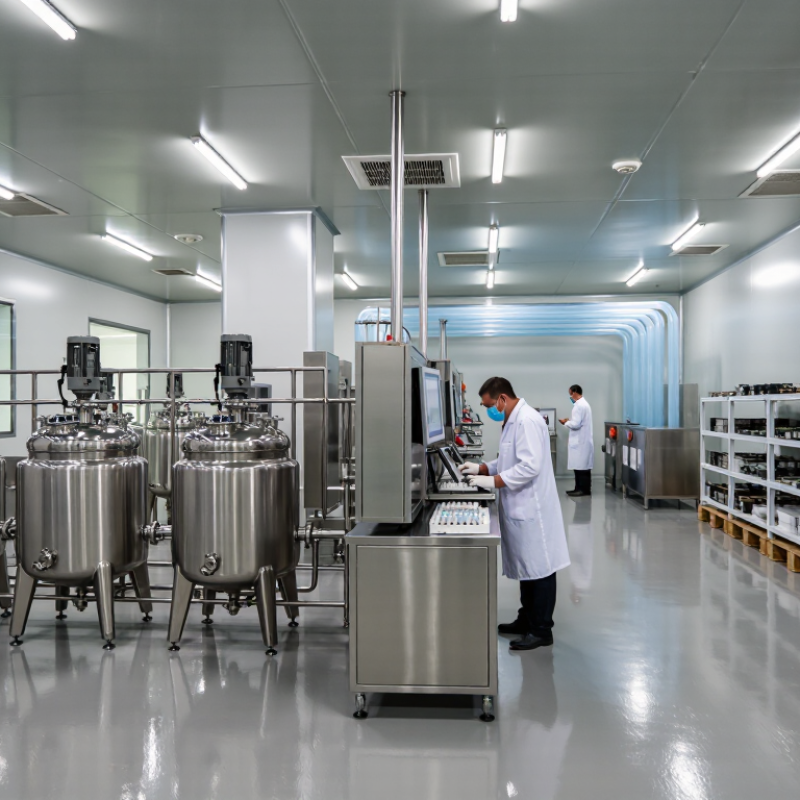
A credible manufacturer should provide recent test reports, complete technical data sheets, and traceable batch records. Check peel strength, shear resistance, thermal aging, and application temperature. Reports from MarketsandMarkets estimate the global hot melt adhesives market could exceed USD 13 billion by 2028. That scale increases pressure for stable production, not merely attractive samples. ISO 9001 certification helps, but it does not replace an independent factory audit. Look for controlled mixing rooms, calibrated equipment, documented corrective actions, and consistent packaging.
Compliance evidence also matters. Suppliers should explain relevant REACH, RoHS, and transport requirementsfor the target market. Ask for production capacity by month, lead-time records, and failure-rate data. A laboratory sample can perform perfectly on glass, then fail on Coated Metal. This happens. Therefore, practical trials should use the buyer’s actual substrate, heating equipment, and storage conditions. Cost remains important, yet the lowest offer may reflect weaker testing or shorter service support. This selection method is not perfect, but it exposes risks before a long-term contract.
China’s hot melt silicone sector serves electronics, textiles, labels, medical components, and automotive interiors. The global silicone market reached about USD 20.3 billion in 2023, according to Grand View Research. Demand is moving toward cleaner processing and lower solvent use. Hot melt systems also shorten assembly time on automated production lines.
The top 10 hot melt silicone manufacturers in China should be assessed through measurable performance, not online visibility. Strong suppliers usually provide peel strength, shear resistance, viscosity, and curing data. Buyers should request samples tested at actual application temperatures. A smooth bead matters. So does stable adhesion after humidity exposure. For Upvc Silicone applications, manufacturers must explain compatibility with plasticizers, surface energy, and heat aging.
Factory audits add useful evidence. Check batch records, laboratory equipment, traceability, and technical response time. ISO 9001 certification supports process control, but it does not prove product suitability. The 2024 Fortune Business Insights report projects continued growth in the global hot melt adhesives market, driven by packaging, transportation, and electronics. Still, ranking manufacturers by revenue alone is imperfect. Smaller producers may offer better formulation support, while larger plants may deliver stronger capacity and consistency. Independent testing remains necessary. Industry claims deserve verification.
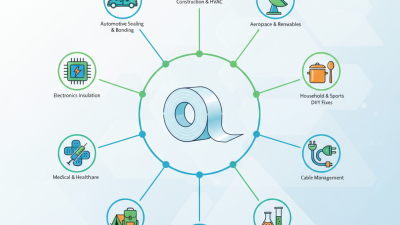
Hot melt silicone serves demanding applications across electronics, automotive, medical devices, textiles, packaging, and construction. It bonds quickly after heating and forms a flexible, moisture-resistant seal. In electronics, manufacturers use it around sensors, cables, and LED components. Automotive suppliers apply it to interior trims, lighting systems, and vibration-sensitive assemblies. Medical equipment makers value its low-temperature flexibility and clean processing. Silicone Glue is especially useful where movement, heat, or repeated cleaning could weaken rigid adhesives.
Industry demand reflects this range. MarketsandMarkets’ 2024 Hot Melt Adhesives Market report projects growth from about USD 10.5 billion in 2023 to USD 13.7 billion by 2028. Grand View Research also identifies electronics, transportation, and healthcare as important silicone adhesive application areas. These figures suggest strong demand, but market growth does not remove technical risk. A formulation may bond well to glass yet fail on a low-energy plastic surface. That detail is easy to overlook. Field testing still matters more than a product sheet.
Tips: Check surface energy, operating temperature, cure behavior, and peel strength before production. Test samples after humidity, vibration, and thermal cycling. Keep application temperatures controlled; excessive heat can damage sensitive substrates. I have found that fast setting is not always better. A slightly slower flow can improve coverage and reduce hidden voids.
When comparing China’s top 10 hot melt silicone manufacturers, quality starts with controlled production, not attractive brochures. Ask for batch records, raw material traceability, and current certificates. A reliable supplier should provide viscosity, softening range, adhesion strength, and thermal resistance data. Test samples on your actual substrate. Laboratory results can look excellent, yet production behavior may differ.
Certification requires careful reading. ISO 9001 supports process control, while ISO 14001 reflects environmental management. Product compliance may involve REACH or RoHS, depending on the destination and application. Request a recent SDS, technical data sheet, certificate of analysis, and batch test report. Check whether each document covers the exact product grade. Factory certification alone is insufficient. That detail is often missed.
Export preparation also affects quality. Confirm HS classification with a customs professional before shipment. Review Incoterms, pallet strength, moisture protection, labeling, and shelf-life requirements. Ask whether cartons include lot numbers and storage temperatures. Keep a retained sample from every shipment. It helps when disputes arise. My checklist is not flawless, and supplier claims still need independent verification. A small pilot order can reveal packaging damage, inconsistent viscosity, or delayed documents before larger contracts begin.
| Rank | Anonymous Manufacturer Profile | Typical Hot Melt Silicone Products | Key Quality Indicators | Certification and Compliance Evidence to Request | Common Export Markets | Export Considerations | Indicative Supplier Fit |
|---|---|---|---|---|---|---|---|
| 1 | Profile A — High-Volume General Industrial Supplier | One-component hot melt silicone; general sealing and bonding grades | Stable viscosity, consistent curing behavior, strong batch traceability, controlled packaging | ISO 9001 certificate, technical data sheet, SDS, certificate of analysis, REACH and RoHS declarations where applicable | Asia-Pacific, Europe, North America, Middle East | Confirm shelf life, temperature-controlled storage requirements, customs classification, and pallet specifications | Large-volume projects |
| 2 | Profile B — Electronics-Grade Formulation Specialist | Low-outgassing, electrically insulating, thermally conductive hot melt silicone grades | Dielectric strength, volume resistivity, thermal conductivity, low ionic contamination | ISO 9001, product test reports, RoHS and REACH declarations, outgassing and electrical test data | East Asia, Germany, the United States, Southeast Asia | Request compatibility data for plastics, metals, printed circuit assemblies, and automated dispensing equipment | Electronics assembly |
| 3 | Profile C — Automotive Application Supplier | Heat-resistant, vibration-resistant, and weather-resistant sealing materials | Adhesion after thermal cycling, tensile and elongation performance, oil and coolant resistance | ISO 9001; automotive quality-system evidence such as IATF 16949 should be verified independently | Europe, North America, Japan, South Korea, Southeast Asia | Check customer-specific testing, PPAP capability, change-control procedures, and long-term supply commitments | Automotive components |
| 4 | Profile D — Customized OEM and Private-Label Supplier | Color-matched, viscosity-adjusted, and application-specific hot melt silicone | Formulation flexibility, pilot-batch repeatability, technical support, documented change control | ISO 9001, formulation specification, NDA and intellectual-property controls, batch COA | Europe, North America, Australia, Latin America | Define ownership of tooling, packaging artwork, formulas, testing costs, and minimum order quantities in writing | Private-label programs |
| 5 | Profile E — High-Temperature Industrial Supplier | High-temperature sealing, potting, insulation, and industrial bonding grades | Operating-temperature range, thermal aging, compression set, flame and smoke performance where required | ISO 9001, thermal-aging reports, applicable UL or industry test documentation, SDS and COA | North America, Europe, China, India, Gulf countries | Verify test methods, temperature limits, curing conditions, and whether certifications apply to the exact product grade | Severe environments |
| 6 | Profile F — Medical and Laboratory Application Candidate | Low-extractable and high-purity silicone materials for non-implantable applications | Purity, biocompatibility screening, lot traceability, controlled manufacturing environment | ISO 9001; ISO 13485 and ISO 10993 evidence should be verified for the specific product and intended use | Europe, North America, Japan, Australia | Do not rely on general silicone compliance claims; obtain intended-use, extractables, sterilization, and regulatory documentation | Regulated applications |
| 7 | Profile G — Construction and Infrastructure Supplier | Weatherproofing, façade, glazing, roofing, and expansion-joint sealing grades | UV resistance, movement capability, adhesion to substrates, water resistance, aging performance | ISO 9001, project-specific building standards, VOC information, SDS, technical performance reports | Southeast Asia, Middle East, Africa, Europe, Latin America | Confirm compatibility with concrete, glass, aluminum, stone, coatings, and local building-code requirements | Building projects |
| 8 | Profile H — Fast-Curing and Automated-Processing Supplier | Fast-curing hot melt silicone for high-speed dispensing and assembly lines | Open time, cure speed, nozzle stability, low stringing, dispensing repeatability | ISO 9001, process validation data, viscosity profile, storage and application instructions | China, Vietnam, Thailand, Mexico, Europe | Run line trials using the buyer’s equipment; verify nozzle heating, pressure, temperature, and cycle-time requirements | Automated production |
| 9 | Profile I — Small-Batch and Laboratory Development Supplier | Development quantities, trial cartridges, customized samples, and niche formulations | Fast sample turnaround, technical responsiveness, reproducible pilot batches, flexible packaging | SDS, TDS, sample COA, material composition statement, and documented sample-to-production controls | Global courier shipments, Southeast Asia, Europe, North America | Clarify sample charges, courier restrictions, dangerous-goods classification, and conversion terms for mass production | Product development |
| 10 | Profile J — Cost-Competitive Export-Oriented Supplier | Standard hot melt silicone for general assembly, sealing, and consumer products | Competitive total cost, basic batch consistency, standard packaging, export documentation capability | ISO 9001 where applicable, SDS, TDS, COA, REACH and RoHS declarations when required by destination market | Africa, South Asia, Latin America, Middle East, Southeast Asia | Compare landed cost rather than unit price; include freight, duties, insurance, payment terms, and inspection fees | Price-sensitive projects |
They soften with controlled heat, flow over surfaces, and form flexible bonds after cooling. Fast processing.
They can bond rubber, films, textiles, glass, and uneven parts. Surface testing remains necessary.
They offer flexibility, moisture resistance, thermal stability, low odor, and reliable tack. They also process without solvents.
Common uses include sensors, cables, lighting parts, interior trims, textiles, packaging, and construction assemblies.
Dust, low surface energy, or poor cleaning may weaken adhesion. A clean-looking surface may still be contaminated.
No. Fast setting can provide quick handling, but long-term strength needs testing. Speed is not proof.
Measure peel strength, shear holding power, aging, and rework behavior. Test after humidity, vibration, and thermal cycling.
Control melt temperature, coating weight, and surface cleanliness. Excess heat may damage delicate films.
Store rolls in dry, moderate conditions. Keep packaging closed and avoid moisture exposure.
Not completely. Hidden voids or weak areas may look acceptable initially. A small trial panel often reveals problems.
This article provides a practical overview of Hot Melt Silicone and its growing role in modern manufacturing. It explains how these materials combine heat-activated bonding with silicone’s flexibility, durability, temperature resistance, and reliable adhesion. The discussion also examines China’s expanding manufacturing landscape, including production capabilities, technical development, quality control, and supply-chain advantages. Readers will learn how to evaluate leading Chinese manufacturers by considering product consistency, customization capacity, testing procedures, production technology, certifications, delivery reliability, and customer support.
The article also presents a structured review of the top 10 Hot Melt Silicone manufacturers in China without focusing on brand promotion. It highlights the industries that commonly use these materials, such as electronics, automotive components, textiles, packaging, medical equipment, and construction-related applications. In addition, it explains important export considerations, including documentation, international quality expectations, regulatory compliance, packaging, and logistics. Overall, the guide is designed to help buyers and industrial users make informed decisions when selecting dependable Hot Melt Silicone materials and manufacturing partners.