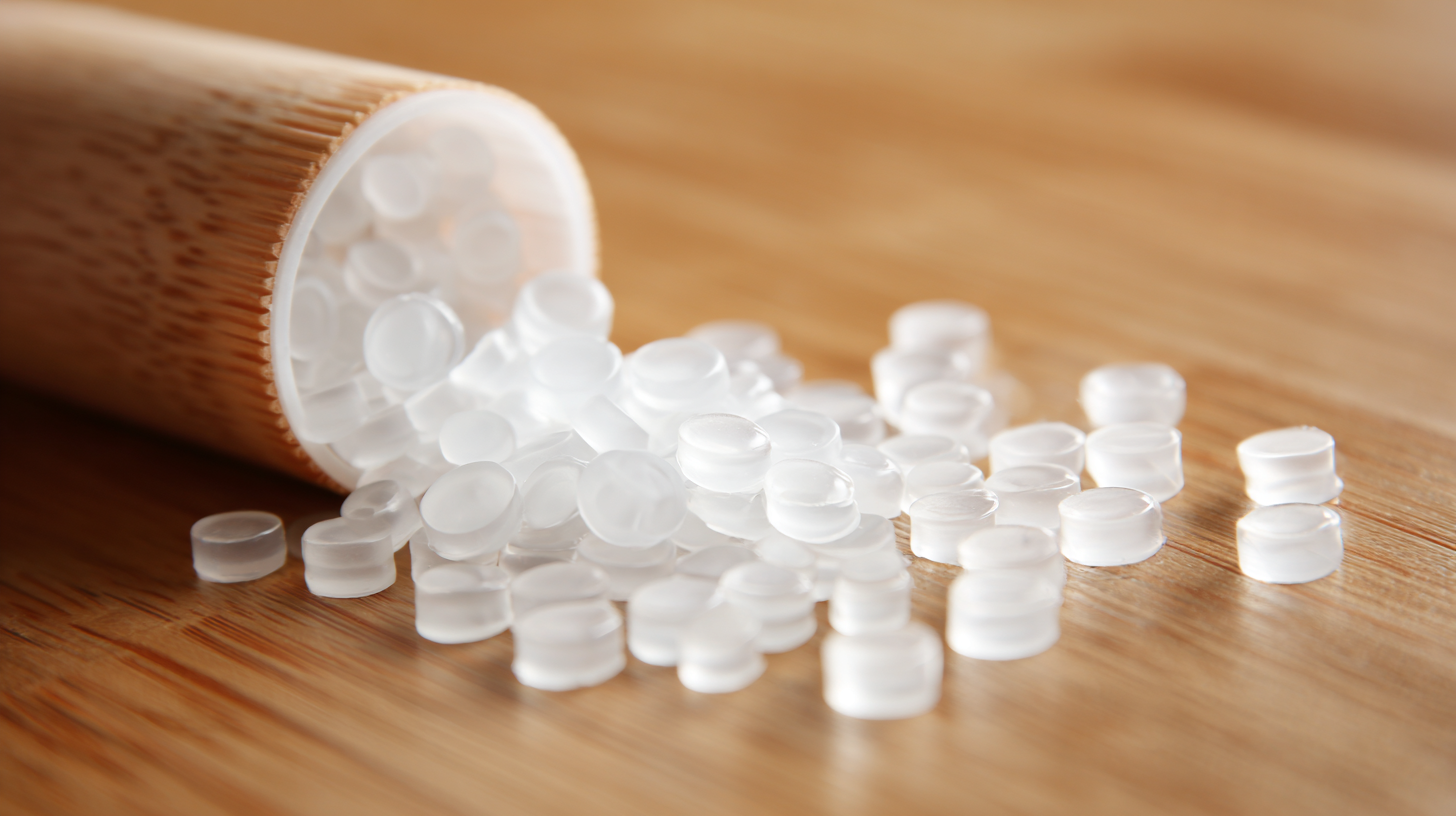
Lately, it feels like everyone’s been talking about home upgrades and DIY projects, and honestly, it’s no surprise. The market’s been booming, with reports from IBISWorld predicting a steady 4.3% yearly growth from 2021 through 2026. One of the main stars in this trend? Silicone Adhesive Dots. These little guys are really changing the game—they're super versatile and perfect for both pros and folks doing projects at home. What’s cool is how easy they are to use, mess-free, and really helpful for repairs or decorating without all the fuss. Plus, they’re actually supporting more sustainable practices, which is a big win. Brands like Sengu (Shandong) New Materials Co., Ltd. are leading the way, focusing on creating safe, eco-friendly, and long-lasting materials that improve the whole DIY experience. They’ve got a huge operation—almost 100 acres of production space—and their dedication to research just proves how important Silicone Adhesive Dots are becoming for making home upgrades easier and more efficient for everyday people chasing modern, stylish spaces.
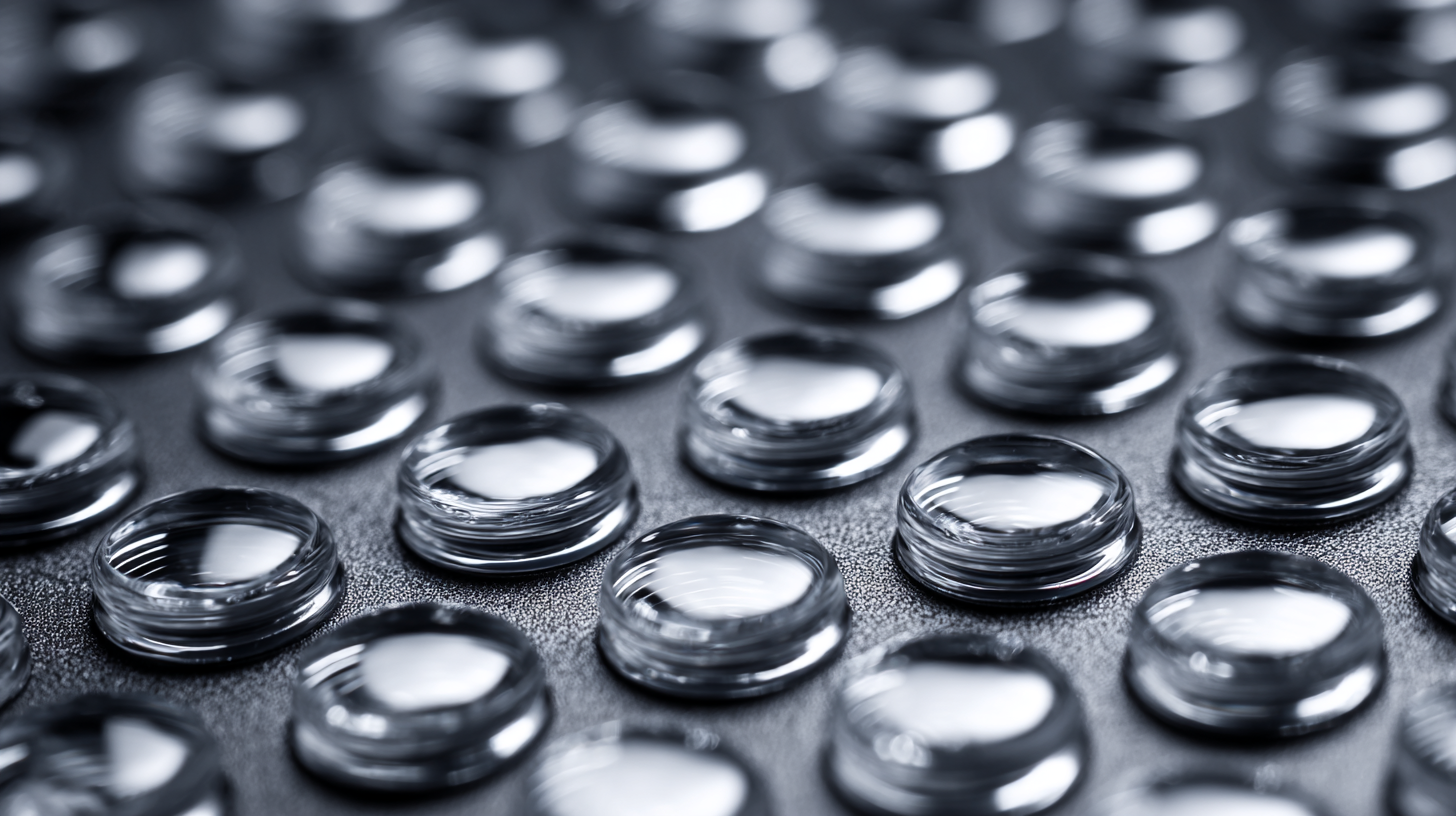
The Composition and Properties of Silicone Adhesive Dots in Home Applications
Silicone adhesive dots have really become a go-to for lots of DIY projects and home repairs these days. I mean, they’re made from silicone, which makes them super flexible and sturdy—you can stick them onto pretty much anything: wood, metal, plastics, ceramics—you name it. Unlike some old-school glues that get brittle and lose their grip over time, silicone keeps its elasticity, so it stays strong even when the weather changes or it's exposed to humidity. 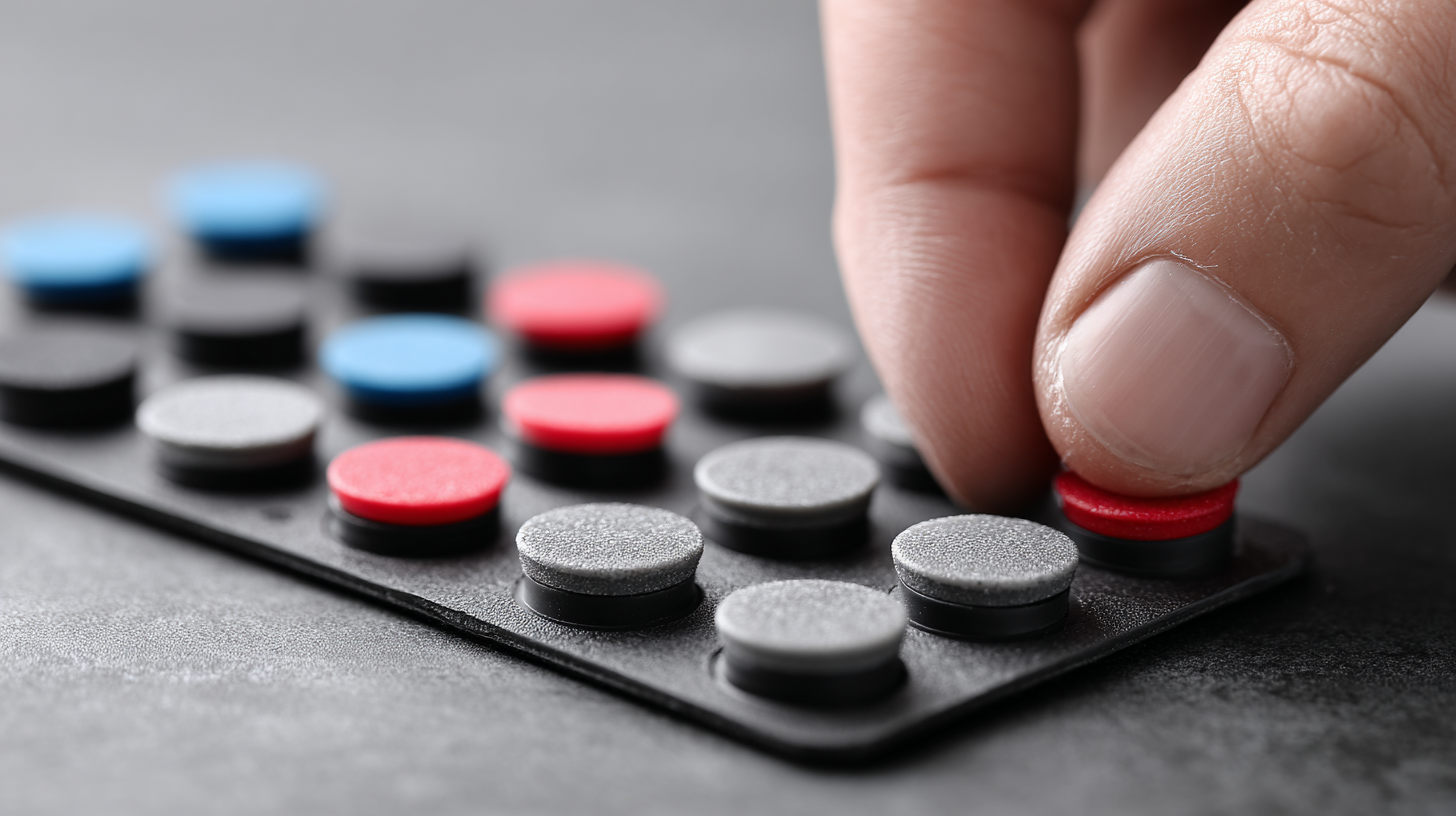 That's why they're so handy for both inside and outside stuff.
And here’s the best part—they’re resistant to moisture, UV rays, and chemicals. So, whether you're fixing up tiles in your bathroom or patching up outdoor gear that sees a lot of wear and tear, these dots hold up. Plus, they’re non-toxic and pretty easy to use, so you can stick them exactly where you want without the usual mess you get with liquid glues. All in all, their versatility and reliable hold make silicone adhesive dots pretty much a must-have for any DIY lover out there.
Key Advantages of Using Silicone Adhesive Dots Over Traditional Adhesives
So, silicone adhesive dots have really taken off in the DIY world, and honestly, they've got some pretty cool perks compared to regular adhesives. For one thing, they're super flexible, which means they can handle movement—like metal frames or ceramic decorations that might expand or contract—without losing their grip. That’s a big win, right? According to the Adhesive and Sealant Council (ASC), these silicone dots can resist heat and moisture way better than traditional glues—like, twice as good in a bunch of different conditions—which makes them perfect for fixing things around the house, especially when the weather's all over the place.
And get this—they’re so easy to use and almost totally mess-free. No need for tricky tools or applying tricky liquids; you just stick them right onto whatever you're working on. A recent report from Market Research Future mentioned that the demand for simple, user-friendly adhesives like these has jumped over 30% in the last five years. That's probably because more people are getting into DIY projects, and let’s be honest, everyone loves a quick, clean fix! Plus, the best part? They leave pretty much no residue, so taking them off later doesn’t wreck your surfaces. If you're into fixing stuff around the house, these little dots might just become your new best friends.
Advantages of Silicone Adhesive Dots in DIY Projects
Common DIY Projects Benefiting from Silicone Adhesive Dots
Silicone adhesive dots are really gaining popularity among DIY lovers and homeowners alike. Honestly, these little guys are pretty handy and can really make a difference in all sorts of projects. They’re great for fixing loose tiles or keeping those decorative pieces from falling off. Just dab some dots on the back, press it where you want it, and bam — instant bond! No waiting around like with traditional glue, which is kinda awesome if you’re in a rush.
A couple of tips to get the most out of these adhesive dots? First off, make sure your surface is clean — nobody wants a wonky stick. It’s also a good idea to press down for a few seconds after sticking to help everything stay put better. If you’re working outside, try to find dots designed for outdoor use so they can handle the weather better.
They’re also super useful in crafting. Whether you're making decorations or just adding some cute embellishments, silicone dots can secure pretty much anything. When working with fabric, they work well as a temporary hold — perfect before sewing things together later. Feel free to experiment with different sizes and colors to give your projects a unique touch. Just a quick heads-up though: always test a small area first so you don’t end up with any sticky surprises on your nice stuff.
Industry Statistics: Market Growth and Adoption of Silicone Adhesives
You know, the silicone adhesive market has really been booming over the past few years. It’s becoming super popular, not just among DIY folks but also in professional settings. If you look at the numbers, the global market for silicone adhesives is expected to hit some pretty impressive numbers, with a steady growth rate that shows just how much it's becoming a staple across different industries. A lot of this growth is thanks to what people are looking for—something versatile and reliable that can handle all sorts of projects, offering both durability and flexibility.
And it’s not just in big workplaces—more and more folks are using silicone adhesives for home repairs, too. With features like waterproofing and the ability to withstand extreme temperatures, these adhesives have kind of become the go-to choice for homeowners. DIY lovers especially appreciate how easy they are to use and how well they work—think about those little silicone dots that stick to almost anything without the mess you get with traditional glue. This trend isn’t just about convenience; it really shows how silicone adhesives are shaping up to be an essential part of tackling everyday problems more efficiently, adapting to what consumers really need.
Understanding the Versatility of Silicone Adhesive Dots in DIY Projects and Home Repairs
| Year | Market Size (Million $) | Growth Rate (%) | Key Applications | Adoption Rate (%) |
| 2018 | 150 | 4.5 | Crafting, Home Repairs | 32 |
| 2019 | 160 | 6.7 | Home Improvement, Toys | 35 |
| 2020 | 175 | 9.4 | Bonds, Crafts, Electronics | 40 |
| 2021 | 200 | 14.3 | Automotive, Furniture | 45 |
| 2022 | 225 | 12.5 | Home Decor, Repairs | 50 |
Best Practices for Applying Silicone Adhesive Dots in Repairs
Silicone adhesive dots are pretty much a go-to tool these days, whether you're tackling a DIY project or fixing something around the house. When you’re putting these dots on, there are a few tricks to make sure they stick well and last a good long time. First off, always prep the surface — make sure it's clean, dry, and free of dust or grease. Skipping this step is like trying to stick something to a greasy window—it just won’t hold. Think of it kinda like cybersecurity: if you lay a solid foundation, everything else just runs smoother.
Once your surface is good to go, pay attention to where you place the dot and how much pressure you push down with. For a real firm hold, press evenly and hold for a few seconds—trust me, it makes a difference. That way, the adhesive spreads out nicely and you won’t end up with annoying air bubbles that can mess with the bond. It's kinda like getting a good night’s sleep—you need the right conditions, timing, and a bit of care to make sure everything sticks and stays put. Honestly, a little effort up front can save you headaches later, in whatever project you’re working on.
Potential Limitations and Considerations When Using Silicone Adhesive Dots
Silicone adhesive dots have become pretty popular for DIY projects and home repairs lately, mainly because they're easy to use and quite versatile. That said, there are a few important things to keep in mind when you're applying them. They’re great at sticking to different materials, but their performance can really depend on the stuff around them—like environmental conditions and what surfaces you're working with. For example, silicone is known for resisting moisture and gases, which definitely makes it handy. But, if you're working in really hot conditions, the adhesive might not hold up as well because its sticking power can weaken with high temperatures.
Lately, industry reports have been emphasizing just how important silicone is becoming in all kinds of applications, from adhesives to sealants. The global demand for silicone products is expected to grow a lot, thanks to their unique properties. Still, it’s good to be cautious and think about where and how you’re using these adhesive dots. Things like surface texture, exposure to extreme elements, and whether they’re compatible with other materials can really affect how well they work. So, it’s definitely worth taking a moment to carefully evaluate your project before you jump in and start sticking things together.
FAQS
: Silicone adhesive dots are flexible, allowing them to accommodate movement without breaking the bond, making them ideal for applications that experience expansion or contraction. They also exhibit superior resistance to heat and moisture, outperforming traditional adhesives.
Silicone adhesive dots are easy to apply directly to surfaces without tools, resulting in a mess-free experience. They leave little to no residue, allowing for clean removal without damaging surfaces, which is beneficial for frequent DIY users.
Yes, the performance of silicone adhesive dots can vary depending on environmental conditions and the materials being bonded. They may not perform well in high-temperature settings, despite their resistance to moisture.
Users should consider surface texture, exposure to extreme conditions, and compatibility with other materials, as these factors can significantly influence the effectiveness of silicone adhesive dots.
Yes, a study indicates that the demand for user-friendly adhesive solutions like silicone adhesive dots has increased by over 30% in the past five years, driven by consumer preferences and the rise of DIY enthusiasts.
While silicone adhesive dots are versatile, they may not be suitable for all projects. It's important to assess the specific context of use, including the type of materials and environmental factors involved.
No, one of the key benefits of silicone adhesive dots is that they generally leave little to no residue and do not damage surfaces when removed properly.
Their superior resistance to heat and moisture makes silicone adhesive dots particularly effective for home repairs in environments with fluctuating weather conditions, providing durability and reliability.
Not necessarily. While silicone adhesive dots have many advantages, effectiveness can be influenced by specific conditions, so users should evaluate each project individually to determine the best adhesive.
They are especially useful in areas subject to movement, like metal frames and ceramic decorations, as well as in home repairs that are exposed to varying moisture and temperature conditions.
Conclusion
Silicone adhesive dots have really become a go-to for all sorts of DIY projects and home repairs. Honestly, they’re pretty versatile thanks to their unique makeup and features. Unlike your average glue, these dots are super flexible, water-resistant, and easy to stick on — which makes them a total lifesaver for everything from crafts and mounting decorations to quick fixes around the house. You know how it is — when you need something that just works without a lot of fuss, these Dotts are often the way to go.
As more folks jump on the silicone adhesive bandwagon, market stats show a solid uptick in people choosing safer, eco-friendly options. That said, it’s good to keep in mind that they might not stick equally well on all surfaces. If you use them right, though, Silicone Adhesive Dots can really boost the durability of your home decor projects. It’s kinda cool to see how this aligns with companies like Sengu (Shandong) New Materials Co., Ltd., which is all about making reliable, green products for everyday folks like us.