inquiry
Leave Your Message

Blog

Why Choose Silicone Adhesive for Global Sourcing?

Why Choose Silicone Adhesive for Global Sourcing?

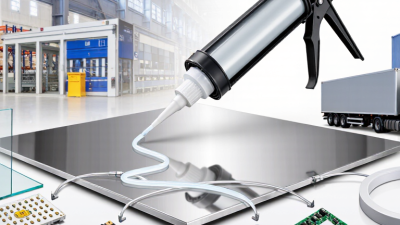
Global sourcing? It’s not just about getting the lowest price. You need materials that hold up consistently—across factories, climates, and whatever production schedule you’re running. That’s where Silicone Adhesive has become a pretty practical pick for a lot of international manufacturers. It brings together elastic bonding, weather resistance, and reliable performance. Dr. Roger Frisch, a silicone tech expert linked with Dow Corning, put it well: “Silicone performance begins with understanding the application, not merely selecting a product.” And that still rings true. A sourcing team really should look at substrate types, curing speed, operating temps, storage conditions, and dispensing equipment. Those details can be the difference between a bond that survives vibration, moisture, or constant thermal movement—and one that doesn’t. The material also fits a wide range of applications. It can secure glass panels, seal electronic housings, bond lighting components, and protect sensitive assemblies. A good Silicone Adhesive supplier should give you technical data, batch traceability, sample testing, and clear quality procedures. Companies like Dow, Wacker Chemie, and Momentive show why established technical support matters—though brand reputation alone? Never enough. Testing is what tells the real story. A supplier might offer a tempting quote but have no solid application guidance. Another could have great lab data but drop the ball on export packaging or communication. Global sourcing is rarely perfect. So buyers have to question assumptions, compare actual samples, and check production consistency before placing big orders. This intro digs into why Silicone Adhesive deserves attention in global procurement. It also looks at its limitations, how to evaluate suppliers, and the practical checks that turn a promising material into a sourcing decision you can actually depend on.
Read more »
Ethan By:Ethan - October 12, 2026
2026 Top Types of Steel Shingles What Should Buyers Choose?

2026 Top Types of Steel Shingles What Should Buyers Choose?

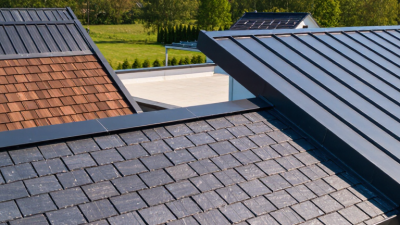
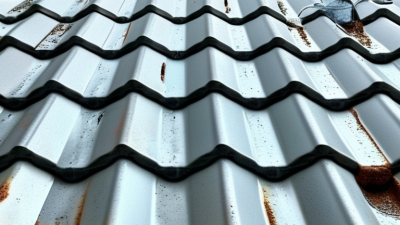
Choosing among the top types of Steel Shingles for 2026? It's not just about matching colors or checking price tags. These shingles can look like slate, wood, or even traditional asphalt, and they stand up well against wind, fire, and moisture. But here's the catch: how well they actually perform depends on the whole roofing system, not just the panel. So buyers should look at the steel grade, coating technology, panel thickness, fasteners, and how it's installed. Common choices include stone-coated steel shingles, interlocking steel panels, pressed metal tiles, and concealed-fastener designs. Stone-coated products give you that textured, architectural look. Standing-seam-inspired panels offer clean lines and fewer exposed fasteners. Interlocking designs can help in severe weather, but installation quality still matters a lot. A panel that's out of alignment can ruin an expensive roof. Details matter. Roof pitch, local rainfall, snow loads, coastal exposure, and attic ventilation should all shape the decision. Ask for written warranty terms, and confirm whether labor, fading, corrosion, and fastener failure are covered. The experience of an independent installer matters too. A manufacturer's brochure is no substitute for an actual roof inspection. There's no universal winner here. A lightweight profile might be great for a renovation, while a heavier system may be a better match for a high-wind property. Some buyers care most about appearance and resale appeal. Others want low maintenance and a dependable service life. Even published rankings can oversimplify real projects—and honestly, that limitation is worth considering. This guide compares leading steel shingle types through practical performance, installation demands, maintenance needs, and long-term value. The goal isn't to chase the trendiest profile. It's to help you choose a system that fits the building, climate, budget, and contractor expertise.
Read more »
Liam By:Liam - October 7, 2026
China Top Silicone Adhesive Tape Manufacturers?

China Top Silicone Adhesive Tape Manufacturers?

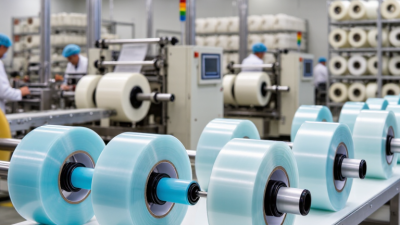
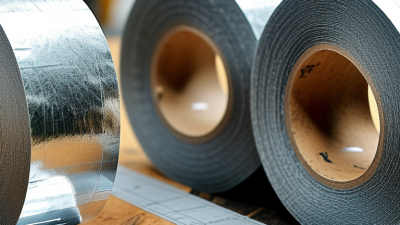
China’s market for silicone adhesive tapes has come a long way. It’s no longer just about simple electrical jobs—now, these tapes are used in stuff like electronics, auto assembly, medical gadgets, and even managing heat. This guide digs into how to pick the right manufacturer, focusing on their tech skills, consistency, ability to customize, and export experience. Let’s be honest—having a slick website isn’t enough. What really counts is proof from their factories. Dr. Steven Abbott, who knows his stuff in adhesion science and consults on the matter, often says, “Adhesion is not just about the adhesive itself, but about the whole system—adhesive plus substrate.” That’s a key point when you're evaluating silicone tape suppliers. Just because a tape sticks well on glass doesn’t mean it’ll perform the same on powder-coated metal, textured plastics, or surfaces with low surface energy. So, as a buyer, you should ask for peel strength, shear resistance, how it handles temperature, aging data, and whether it leaves any residue under specific conditions. Little details matter—like how easily the liner releases or how uniform the coating is. This guide will compare some of China’s top manufacturers with a practical eye—looking at silicone formulas, carrier choices, cutting precision, clean-room standards, and batch traceability. We’ll also check if they provide samples, detailed technical sheets, and consistent production records. Keep in mind, though, that factory capabilities can change pretty fast, so some rankings might not be perfect. It’s good to admit that. A supplier with great samples might stumble during a big order, and another might offer lower prices but have weaker documentation. The best way to really judge? Test their products, have clear communication, and compare carefully. The biggest manufacturer isn’t always the best choice—in the end, it’s about finding a supplier that consistently matches the tape to your actual needs.
Read more »
Oliver By:Oliver - October 4, 2026
How to Choose PVC Silicone Glue for Bulk Orders in 2026?

How to Choose PVC Silicone Glue for Bulk Orders in 2026?

When you're shopping for PVC silicone glue in bulk for 2026, it’s not just about comparing prices per unit. Seriously, you’ve gotta look at more than that—things like how well it sticks, how flexible it stays, how fast it cures, as well as packaging and storage stuff. Skimping on costs might save you a few bucks upfront, but it can end up causing costly delays in production. Nobody wants that headache. Dr. George Wypych, a well-known expert on PVC materials and author, wisely points out, “Compatibility and processing history are what really determine how PVC performs.” That’s a key point, especially when bonding together materials like PVC, silicone, rubber, coated fabrics, or various different substrates. At first glance, the adhesive might seem perfect during a small test run. But once you're rolling out full-scale production, issues like shrinkage, weak edges, or inconsistent curing tend to pop up. So, it's smart to test thoroughly before placing a big order. Use the actual materials and surface finishes you plan on using, along with your typical temperatures during production. Take notes on peel strength after curing and check again after exposure to heat, moisture, or repeated flexing. Don’t just trust the numbers from a supplier’s lab sheet—those might be based on different substrates or testing conditions altogether. Procurement folks should also dig into the technical data sheets, safety info, batch controls, and shelf-life details. It’s worth asking if they can keep their viscosity stable across multiple lots. And don’t forget to verify the packaging, filling accuracy, and how reliable their delivery is. A 20-kilo order isn’t the same as signing a contract for 20 tons annually, so keep that in mind. Oh, and one more thing—don’t overlook the importance of application equipment. Things like nozzle size, dispensing pressure, and open time really matter—they can all influence the final bond. Also, a quick tip: faster curing isn’t always better. It might cut down on working time, but it can also lead to more waste or incomplete bonds. At the end of the day, finding the right PVC silicone glue isn’t just about the price—it’s about consistent performance, ease of processing, and reliable supply. Come 2026, smart buyers will see choosing an adhesive as a crucial part of the overall process, not just a quick purchase decision.
Read more »
Liam By:Liam - September 29, 2026
Why Choose Faux Finish Stone Wall Panels?

Why Choose Faux Finish Stone Wall Panels?

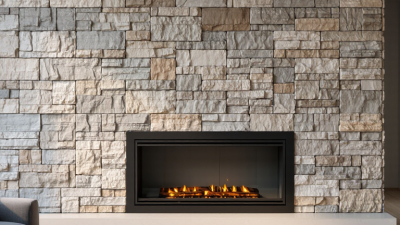
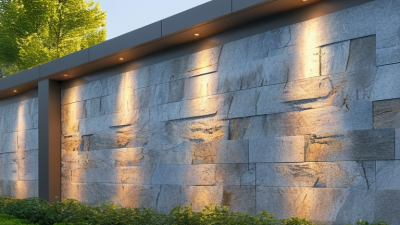
A faux finish stone wall can really bring the look and feel of natural stone into your space, but without the heavy weight or complicated installation that real stone requires. These panels have layered surfaces that can mimic the charm of weathered limestone, rough slate, or stacked fieldstone — you know, the kind that’s been around forever. Whether you’re thinking about framing a fireplace in the living room or just adding some visual interest to a hallway, they’re pretty versatile. The magic really depends on details like how thick the panels are, the edge finishes, the variation in color, and the printed or molded textures — all those little things that make the finished look pop. So, why go for faux stone panels instead of real stone? Well, they’re generally lighter, making them easier to handle and install, especially on a DIY project. But, don’t mistake “easy to put up” for “every wall works.” You still need a smooth, stable surface and to measure carefully. It’s a good idea to check out the installation instructions, consider where you’ll put them, and look into cleaning needs or any heat and moisture restrictions before buying. Also, grabbing a sample before you commit can really help. Colors can look different in your home’s warm evening lighting versus a bright showroom. Of course, there are a few trade-offs. Sometimes, if you use a bunch of panels across a large area, they can look a bit repetitive. And up close, you might notice they’re not actual stone. That’s something to keep in mind. Good planning can make all the difference—try to mix up the panel placement if you can, check the seams, and compare the samples with your flooring and trim to make sure everything flows nicely. This guide covers everything from how the panels look, how durable they are, how easy they are to install and maintain, and what you’ll probably spend — so you can decide if faux stone is the right fit for your space, not just based on the initial wow factor but the long-term vibe too.
Read more »
Oliver By:Oliver - September 24, 2026
China Top 10 Stone Texture Wall Paint Suppliers?

China Top 10 Stone Texture Wall Paint Suppliers?

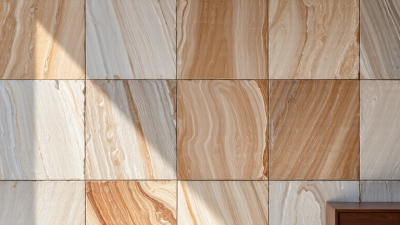
China’s stone coating market has really gone beyond just sprucing up building exteriors. Nowadays, a lot of manufacturers are offering Stone Texture Wall Paint that’s perfect for villas, hotels, retail facades, and even indoor feature walls. In this guide, I’ll walk you through ten suppliers based in China, focusing on practical points like quality and reliability — not just flashy catalog claims. When evaluating these suppliers, I look at their factory experience, how consistent their products are, the kind of tech support they provide, and whether they’re reliable exporters. Good evidence includes things like sample panels, batch records, lab test reports, and clear instructions on how to apply the paint. A serious supplier should be able to walk you through things like prepping the surface, primer compatibility, drying times, coverage, and how well it handles weather conditions. These details really matter — especially when you want a textured finish that can stand up to harsh sunlight, humidity, or regular cleaning. Plus, checking out real projects gives you even more insight. For example, some suppliers create rich granite-like textures, while others prefer a smoother sandstone look. Some are happy to customize colors and offer private branding, whereas others focus on stable, standard products with faster delivery times. It’s worth thinking about what trade-offs matter most to you. And honestly, no supplier is perfect. Prices can go up or down depending on raw material costs. Also, samples from a supplier might look great but might not perfectly match what gets produced in larger batches. So, always ask for recent samples and get all specs in writing before you decide. If you’re working on a big façade project, independent inspections can be a real blessing — it definitely boosts your confidence. Just a heads-up: I don’t think a company’s age automatically means they’re better quality. What counts more are detailed manufacturing records, quick and helpful communication, and proven performance. Of course, you should still check for certifications, local standards compliance, packaging quality, and after-sales support specific to your market. The ten suppliers I’ve listed are useful options to compare. They’re not necessarily the absolute best — but they’re good starting points for your research. Remember, it’s all about finding the right fit for your project, and that’s why I emphasize careful comparison over taking anything as gospel.
Read more »
Liam By:Liam - September 21, 2026
10 Tips for Buying Faux Stone Painted Walls

10 Tips for Buying Faux Stone Painted Walls

Thinking about buying faux stone painted walls? Well, it’s not just a matter of picking a cool color. There’s actually a lot more to it—like how it feels, how durable it is, how the lighting interacts with it, and what kind of maintenance you’ll need down the road. For example, a warm limestone finish might look beautiful in a showroom but could look kinda flat or even yellowish under your bathroom’s cool lighting. That’s why it’s super helpful to see samples—hold them up next to your wall in different lights in the morning, afternoon, and evening. And don’t forget to check out the grout lines, the edges, the surface sheen, and even the brush strokes. The tiniest details really matter! John Canning, who founded John Canning Studios and knows his decorative finishes, once said, “A convincing faux finish depends on observation before application.” That’s still solid advice today. Before you commit, spend some time looking at real stone nearby—notice those irregular veins, soft color shifts, chipped edges, and how light reflects off them. Repeating patterns that look perfect usually seem fake, so authenticity is key. When chatting with a contractor, make sure they explain the whole process—what paint system they’re using, how they prep the surface, the protective topcoat, cleaning tips, and how long it’s expected to last. It’s a good idea to ask for recent project photos, detailed specs, and references from other similar spaces. And double-check if the finish works on your particular surface—drywall, concrete, plaster, or whatever you’ve got—since materials behave differently. Honestly, don’t just rely on show-stopping photos. Sometimes, camera filters hide uneven spots or rough textures. Always ask for close-up shots, and if you can, see a finished wall in person. Keep in mind—some imperfections can actually add character, but others might turn into costly repairs later. This guide shares 10 practical tips to help you set the right expectations when shopping for faux stone painted walls. It’ll help you compare samples, craftsmanship, materials, prices, and maintenance needs so you can make a confident decision. Of course, it’s not foolproof—your lighting, how you use the room, and your personal taste all play a big role in the final look. Happy hunting!
Read more »
Liam By:Liam - September 18, 2026
10 Tips for Buying Double Tape Rubber

10 Tips for Buying Double Tape Rubber

Picking out the right Double Tape Rubber isn't just about comparing prices or roll sizes — there's a bit more to it. At first glance, it might seem pretty straightforward, but the real performance depends on factors like the type of adhesive, how thick the rubber is, the quality of the liner, and even the surface you're bonding to. That’s why I recommend checking out the guide “10 Tips for Buying Double Tape Rubber.” It breaks down these things in plain, practical terms and helps you figure out what’s worth considering before you place a big order. Most experienced folks will tell you they always start by inspecting the surfaces first. So, whether you're dealing with painted metal, glass, plastic, or textured wood, each material might need a different adhesive setup. Don’t forget to look into temperature resistance, how strong the hold is, peel strength, and how long the adhesive should ideally stay before stress or use. Also, keep in mind that even a tiny bit of dust on the surface can seriously weaken a good tape. Details like measurement accuracy really do matter. A reputable manufacturer should provide you with detailed technical data sheets, storage instructions, info about each batch, and clear test results. While independent quality certifications are a good sign, it’s smart to verify those certificates — don’t just take it at face value. And yes, asking for samples is always a good idea. Test them on your actual materials, then check how well they bond after several hours or even days. A quick “stick test” might not tell the whole story, so patience really pays off. This guide also points out important things like thickness, how much the width can vary, how easy it is to handle the release liner, packaging quality, and good communication with your supplier. Sometimes, a lower price per roll can end up costing you more in waste, especially if the rolls split or the adhesive gets messy during removal. I’ve seen many comparisons focus just on cost, but ignore how tough the tape is to remove or how stable it stays over time—that’s a mistake. Honestly, no single Double Tape Rubber is perfect for every job. The safest bet is to do your own small tests, especially if appearance, load capacity, or temperature resistance are critical in your application. Taking the time to test thoroughly can save you a lot of headaches down the line.
Read more »
Ethan By:Ethan - September 13, 2026
How to Choose Stone Coated Metal Tile in 2026?

How to Choose Stone Coated Metal Tile in 2026?

So, you're wondering how to pick the right stone-coated metal tile in 2026? Well, it’s not just about choosing a pretty color, grabbing something cheap, or being lured in by showroom displays. Trust me, a good choice depends on a bunch of factors—think about your local climate, the angle of your roof, what your building looks like, and how the tiles will be installed. Heavy rains, salty coastal winds, hailstorms, or blazing sun can really test the durability of your roof materials. So, it’s smart to ask about the steel thickness, the aluminum-zinc coating, how well the stone granules stick, resistance to corrosion, and how the tiles stand up to strong winds. Don’t just go for the sample that catches your eye—dig a little deeper. Mark Graham, who’s a roofing tech expert affiliated with the National Roofing Contractors Association, offers a good piece of advice: “A roof’s strength depends on its weakest link.” That could be a poorly sealed valley, an exposed fastener, some careless flashing, or the wrong kind of underlayment. So, take a good close look. Push for written test reports and warranties from reputable brands like DECRA Roofing Systems or Gerard Roofs. Make sure the warranty covers stuff like fading paint, coating wear, weather damage, and installation mistakes. Your experience also counts. If you can, check out finished roofs in real life—drive by and look at them during or after bad weather. Are the tiles still aligned? Are the edges protected on cuts? Does water drain smoothly from valleys? Stone-coated tiles can last a long time, but they’re not necessarily the best fit for every building. Sometimes, opting for a cheaper product might save some cash upfront but could cost you more in repairs later. That’s a decision worth thinking about honestly. Come 2026, I’d say, go with the products that have proven performance, not just pretty marketing language. And make sure you hire a qualified installer who sticks to the manufacturer’s installation instructions—those small details really make all the difference.
Read more »
Liam By:Liam - September 10, 2026
2026 Top Colored Stone Metal Tile Manufacturers

2026 Top Colored Stone Metal Tile Manufacturers

The market for Colored Stone Metal Tiles in 2026 is definitely heating up. Manufacturers are stepping up their game, offering sharper profiles, richer granules, and better resistance to corrosion. In this guide, we're taking a closer look at some of the big players like DECRA, Gerard, Tilcor, Roser, and Metro. But just a heads-up — we’re not suggesting that a brand's popularity automatically means their product is the best. A really solid product should strike a good balance between coating quality, how well the stones stick, weather resistance, installation support, and clear, long-term warranties. Industry pro Todd Miller once said, “A metal roof is a system, not just a product.” And honestly, that’s still a great way to think about it when you're comparing brands. For example, a tile sample might look pretty in the showroom, but the real test is how it performs on a roof battling salt air, hail, heavy rain, and crazy temperature swings. When shopping around, it’s smart to pay attention to coating specs, testing records, independent certifications, how consistent the manufacturing is, and whether the installers are experienced and approved. Little things—like granule loss—really do matter. This overview also digs into options like design variety, regional availability, technical info, and after-sales support. We’re not claiming that one brand fits every climate or building type — no way. There’s no such thing as a perfect list. Performance data can vary depending on where you’re at, how the installer does their job, and the pitch of the roof. It’s important to be aware of these limitations — rather than getting dazzled by slick marketing pitches. Good manufacturers tend to be pretty transparent about their materials, often sharing practical installation tips and honestly acknowledging their systems’ limits. By keeping these factors in mind, you can approach the 2026 Colored Stone Metal Tile market with a bit more confidence. Just remember to check your local requirements and the specific needs of your project before making any final calls.
Read more »
Ethan By:Ethan - September 6, 2026
2026 How to Choose the Best Polyester Silicone Tape?

2026 How to Choose the Best Polyester Silicone Tape?

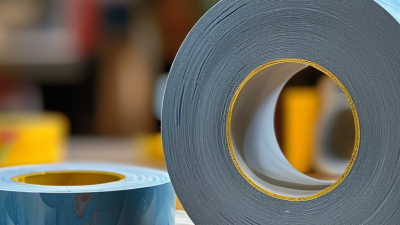
Alright, so when you're picking out the right materials, really getting to know their properties is so important. Take Polyester Silicone Tape, for example—it's pretty popular because it’s super versatile. John Doe, who's honestly pretty much an expert at TechTape Solutions, once said, "Choosing the right tape can totally make or break your project." And honestly, that just highlights how crucial it is to make smart, informed choices. Polyester Silicone Tape has its own set of unique perks, like being super durable and able to handle really high or low temperatures without breaking a sweat. That makes it perfect for all kinds of different projects. But here’s the thing—people often overlook some pretty important factors before making a decision. Stuff like how strong the adhesive is or how thick the tape is can really impact how well it works. So, it’s definitely worth paying attention to those details because every project has its own specific needs. Now, let's be real—there are tons of options out there, and it can get pretty overwhelming trying to pick the best Polyester Silicone Tape. That’s why it’s so important to really think about what you need. Like, where will you be using the tape? The environment matters a lot. Sometimes, missing those small details can lead to frustration later on. Luckily, having good info and seeking advice from experts can really help cut through the confusion and make the whole process way easier.
Read more »
Ethan By:Ethan - September 2, 2026